
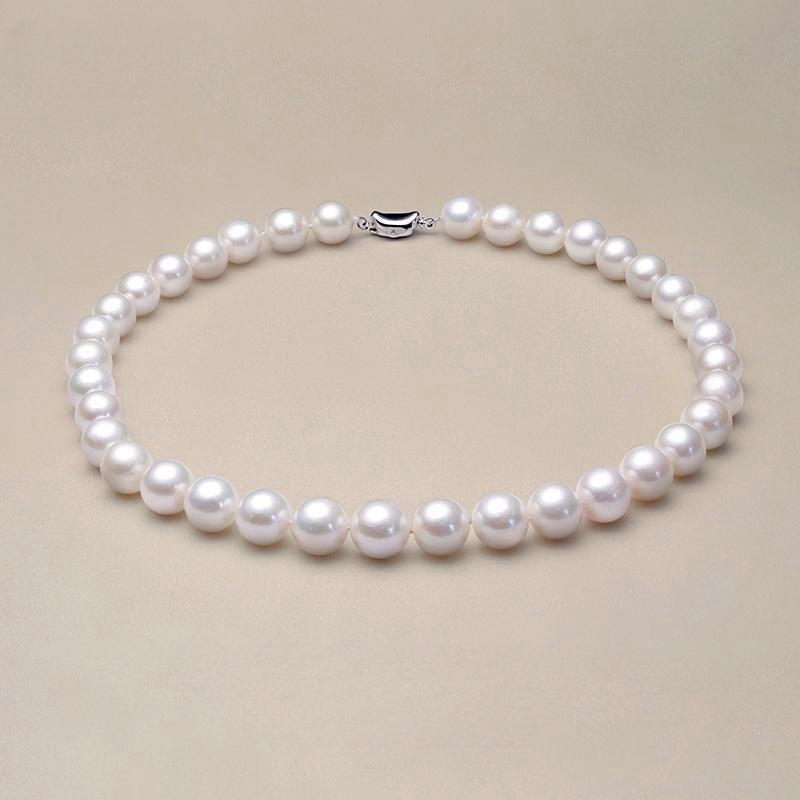
Pearl Necklace Pricing Guide 2026: Real Value Factors
Determining the Market Price of a Pearl Necklace: A 2026 Guide
When you inquire about the price of a real pearl necklace, your question will always have a varying answer. A pearl necklace value has a wide range between less than one hundred dollars and tens of thousands of dollars. In this 2026 pricing guide, we have provided you with transparent and factual information concerning the cost of a pearl necklace. Our focal concern is the factors that truly play the role.

Generally, the pearl industry standard refers to the 40cm (15.5-inch) strand when talking about a simple necklace. This article will primarily discuss freshwater pearl necklaces. At present, these are the most stable and value-rich options compared to saltwater pearls. However, we will touch on the saltwater pearls to form a complete whole.
Important Facts
- The value of a real pearl necklace largely depends on its type, size, luster, shape, and surface quality (freshwater vs. saltwater).
- This guide takes into consideration a conventional 40cm (15.5-inch) freshwater pearl necklace, which is now the best value in the market.
- The prices of saltwater pearl necklaces vary between $200 and over $20,000, with the exquisite freshwater pearl necklaces being available for less than $100.
- Edison pearl is now the low-cost leader in the pearl farming sector through the provision of quality, large freshwater pearls.
- The price range for small pearls (3-5mm) is quite low, and they are sturdy with a strong luster.
Brief Context: The Saltwater Pearl Necklace Price Spectrum
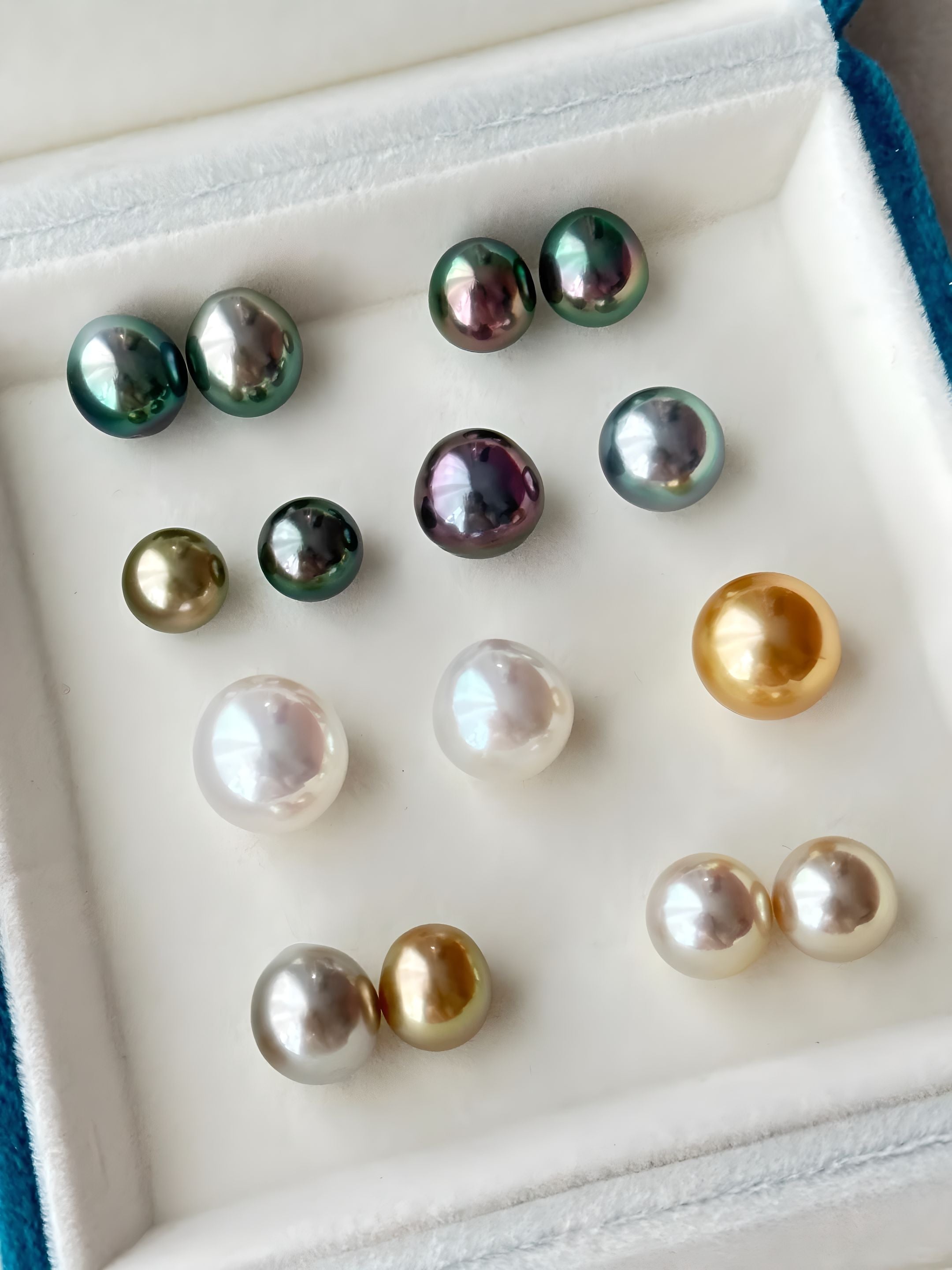
Saltwater pearls are the classical kings of the pearl kingdom. The prices correspond to their unavailability and more demanding processes. A saltwater pearl necklace value is very broad. It falls in the range of about $200 to more than $20,000. The deciding factors are overwhelmingly the type, size, shine, and quality of the pearl. There are many types of pearls with different qualities.
Let's take a look at Tahitian pearls as a case in point. An inexpensive 9-12mm Tahitian pearl necklace will be more likely to have some irregularly shaped pearls. It might also carry some visible surface flaws or distinctive rings. Even though unique, these traits would be the reason it is more affordable.($200)
Conversely, a high-quality 9-12mm Tahitian pearl necklace tells a different story. It features perfectly round pearls, a clean surface, and a stunning deep metallic shine. Such a necklace will easily cost you over $10,000. The same is true for the luxurious Australian South Sea white pearls and the most desired South Sea golden pearls. These are considered the pinnacle of luxury in the pearl market.
The Real Attraction: The Value of a Freshwater Pearl Necklace
I find saltwater pearls beautiful, but the most captivating tale in today's pearl sector is the one associated with freshwater. The recent advancements in the freshwater pearl necklace industry have completely changed how they are viewed. This is what attracts the smart buyers who want beauty and value at the same time.
Why Freshwater Pearls are So Attractive Right Now
The area of freshwater pearls is characterized by high levels of technology and productivity. Within about ten years, a lot of high quality freshwater pearl necklaces have seen their price cut down greatly. Take this as a clear case: a dazzling, vivid 3-5mm freshwater pearl necklace is now abundantly available for less than $100. Such a price used to be a fantasy for a product of this quality.

The key drivers of this major change are:
- Better Cultivation: Newer aqua-farming methods make stronger clams. They produce pearls that are shinier and have fewer blemishes.
- Edison Pearl Technology: This is the revolutionary technology that has made huge strides in the production of big, round freshwater pearls. More on that below.
- Multi-Nucleation Advances: Farmers are now adept in seeding a single mussel with several nucleations. The result is a significantly larger supply, thus each pearl is more affordable.
In addition, the past five years have been characterized by rapid progress in pearl farming. There are rumors that some sizable farms in China are now seeding millions of mussels each year. The mass scale has transformed the pearl farming globally.
A Real-World Case: How Prices Have Changed
To compare the above factors, let us consider this. Ten years back, you could spend about $1000 on a high-quality 4A-grade, 10-11mm freshwater pearl necklace.
Now, in 2026, a similar 40cm necklace with stunningly large pearls can be purchased for about $179. This dramatic price drop has happened because of technological advancements. It is a result that demonstrates that supply growth has matched demand.
The "Edison" Innovation: The Road Towards Affordable Large Pearls
If you have seen an influx of larger (10mm and above) freshwater pearl necklaces in the market, you should give credit to the so-called "Edison" pearl technology. This invention is the main factor that allows beautiful, large freshwater pearls to not be considered luxury goods anymore.
In essence, this method features a bead nucleus. This is fairly similar to what happens in saltwater pearl farming. This makes the freshwater mussel produce a larger, round, and shinier pearl with greater reliability. The most important point is simple. This technology has made the yield and quality of large freshwater pearls increase significantly. Therefore, they are not only marvelous but also very affordable.
The Small Pearl Twist: A Tale of Demand and Supply

The trade for small pearls has had an intriguing journey in its own right. For the past couple of years, the small pearl necklace has exploded in popularity, especially among younger consumers. This was particularly true for small 3-5mm pearls. This unexpected boom in demand pushed prices higher hard to bear. Many buyers cleared out available stock.
Still, the market readjusted itself. Small pearls have a rapid growth cycle of only one to two years. Consequently, the farmers were able to scale production. This new wave of supply caught demand and prices dropped and stabilized.
At present, there are many attractive 3-5mm pearl necklaces priced between $50-$100. This size of pearls is said to bring the best overall value for everyday usage. Due to their small size, the pearls' nacre (pearl layers) are denser and more compact. In many cases, small pearls also appear cleaner on average (because blemishes are less obvious at smaller size), making this range a strong choice for a first pearl necklace or a durable daily piece.
Insights: Understanding Freshwater Pearl Necklace Pricing (40cm / 15.5-inch)
At this point, when you know the price determinant factors, let's have a look at some price ranges. A freshwater pearl necklace price is usually on the basis of a grading system. We will demonstrate this by mentioning the commonly assigned 4A and 5A grades.
If you want a real-world benchmark while reading the pricing logic below, our **classic pearl necklace from 3mm–14mm** is a 40cm (15.5-inch) finished strand option that makes it easy to compare size and grade differences at a glance—without relying on luxury-brand markups.
Evaluating Quality Grades: 4A vs. 5A
- 4A (Excellent Quality): This grade would be an excellent choice for daily wear. The pearls are shiny and charming. They may have very slight shape or surface imperfections, which are hard to notice when worn. This is the perfect combination of aesthetic and affordable price.
- 5A (Heirloom Quality): This grade is "almost perfect." The pearls are round and very clean. They are also showing high-quality mirror-like shine. A 5A pearl necklace is perfect for wedding gifts or for any other important occasions. It can also be used for formal events when you want to appear entirely immaculate.
Price Table for Freshwater Pearl Necklace of 40cm
The costs that are listed here are typical for a 40cm (15.5-inch) freshwater pearl necklace with a silver clasp. It is possible to monitor the size and quality premium shifts in this table.
| Pearl Size | 4A Grade Price | 5A Grade Price |
|---|---|---|
| 3mm–4mm | $59.00 | $239.00 |
| 4mm–5mm | $59.00 | $299.00 |
| 5mm–6mm | $69.00 | $359.00 |
| 6mm–7mm | $79.00 | $399.00 |
| 7mm–8mm | $119.00 | $599.00 |
| 8mm–9mm | $119.00 | $599.00 |
| 9mm–10mm | $139.00 | $799.00 |
| 10mm–11mm | $179.00 | $999.00 |
| 11mm–13mm | $219.00 | $1499.00 |
| 12mm–14mm | $249.00 | $1999.00 |

If you’d like to see these size and grade differences in a finished strand, explore our **classic pearl necklace from 3mm–14mm**.
We offer a wide size range in a standard 40cm (15.5-inch) format with a silver clasp, priced with a wholesale-based mindset—so your spend goes into pearl quality (luster, matching, and finish) rather than brand markups.
The Final Points: Deciding on the Best Pearl Necklace
Simply put, the accurate value of the real pearl necklace is determined by the mingling of natural quality and market forces. The overwhelmingly significant factors are:
- Pearl type: Freshwater vs. Saltwater is the prime determinant.
- The 7 Value Factors: These include size, luster, shape, surface quality, nacre thickness, color, and the way the pearls are matched.
- Market Dynamics: The use of modern technology, and supply and demand trends are the major factors. The former, especially in the freshwater market.
Here is an additional pro practical tip for you;
- For the best everyday value: Choose a 3–5mm freshwater pearl necklace that is not only durable and shine but also cheap.
- For a classic statement or major gift: A 10–11mm+ freshwater pearl necklace gives a high-end luxurious backing that is now much more accessible than before so much so that you can surprise a loved one with a gift.
- Select 4A for a striking necklace that you can wear frequently without any worries.
- Choose 5A when perfection is not just a wish but a reality. Once you do that, you will create an authentic heirloom.
Some Questions Frequently Asked (FAQs)
1. What mostly distinguishes freshwater pearls from saltwater pearls?
The main distinctions are the environment and the mollusk. Freshwater pearls grow in mussels in rivers and lakes. A single mussel can make several pearls. On the contrary, saltwater pearls like Akoya and South Sea which are found in oysters in the ocean, usually only produce one pearl at a time. This is the reason saltwater pearls are more expensive.
2. Would a 4A grade pearl necklace make a good gift?
For sure. A 4A grade pearl necklace contains high-quality pearls that shine fantastically and look stunning overall. Even though a 5A is closer to being flawless, the tiny differences in a 4A strand are not usually perceived when wearing them. Therefore, it is an attractive and precious gift. It is suitable for birthdays, graduations, and holidays.
3. Why are large pearls in the freshwater category so much rarer?
The big reason for that is the "Edison" pearl technology which made farming easier in the first place. This technique enables the cultivation of big round and very bright freshwater pearls. It does this with greater efficiency and success compared to the old methods. The increase in supply has a direct link to the current lower prices.
4. Are the more expensive pearl necklaces quality-wise always better?
Not every time. Although it is true that often the cost correlates with quality attributes like weight and shine; sometimes it is also due to the brand depending inflation and advertisement. For instance, a direct-to-consumer dealer could have a 5A quality pearl necklace for a lower price than a branded replica of lower quality. It's prudent to focus on the appropriate pearl grade and properties rather than just the price sticker.
5. What are some ways to differentiate a real pearl necklace from a fake one?
One of the simplest ways to check it is by the "tooth test." Try carefully rubbing a pearl with the biting edge of your tooth. A real pearl will feel somewhat gritty or rough because of their natural nacre layers. A faux pearl made out of plastic or glass will have a perfectly smooth surface. Just be cautious to avoid breaking the pearl or damaging your tooth.


Leave a comment
This site is protected by hCaptcha and the hCaptcha Privacy Policy and Terms of Service apply.