
Written by Alya — jeweler and pearl grower.
When someone asks about pearl price, I usually answer with a question: “How long did this pearl get to grow?” In many cultured pearls, nacre thickness is the visible footprint of farming time—and farming time is tied to risk. Climate volatility, survival rates, and market swings all push farms toward shorter cycles, even when thicker nacre would be more valuable.
This guide explains the real relationship between grow-out time, nacre thickness, and price—and then clears up the most confusing pearl terms: what is a cultured pearl, natural pearls, dyed pearls, freshwater vs seawater, and nucleated vs non-nucleated.
The Core Idea: Farming Time → Nacre Thickness → Pearl Price
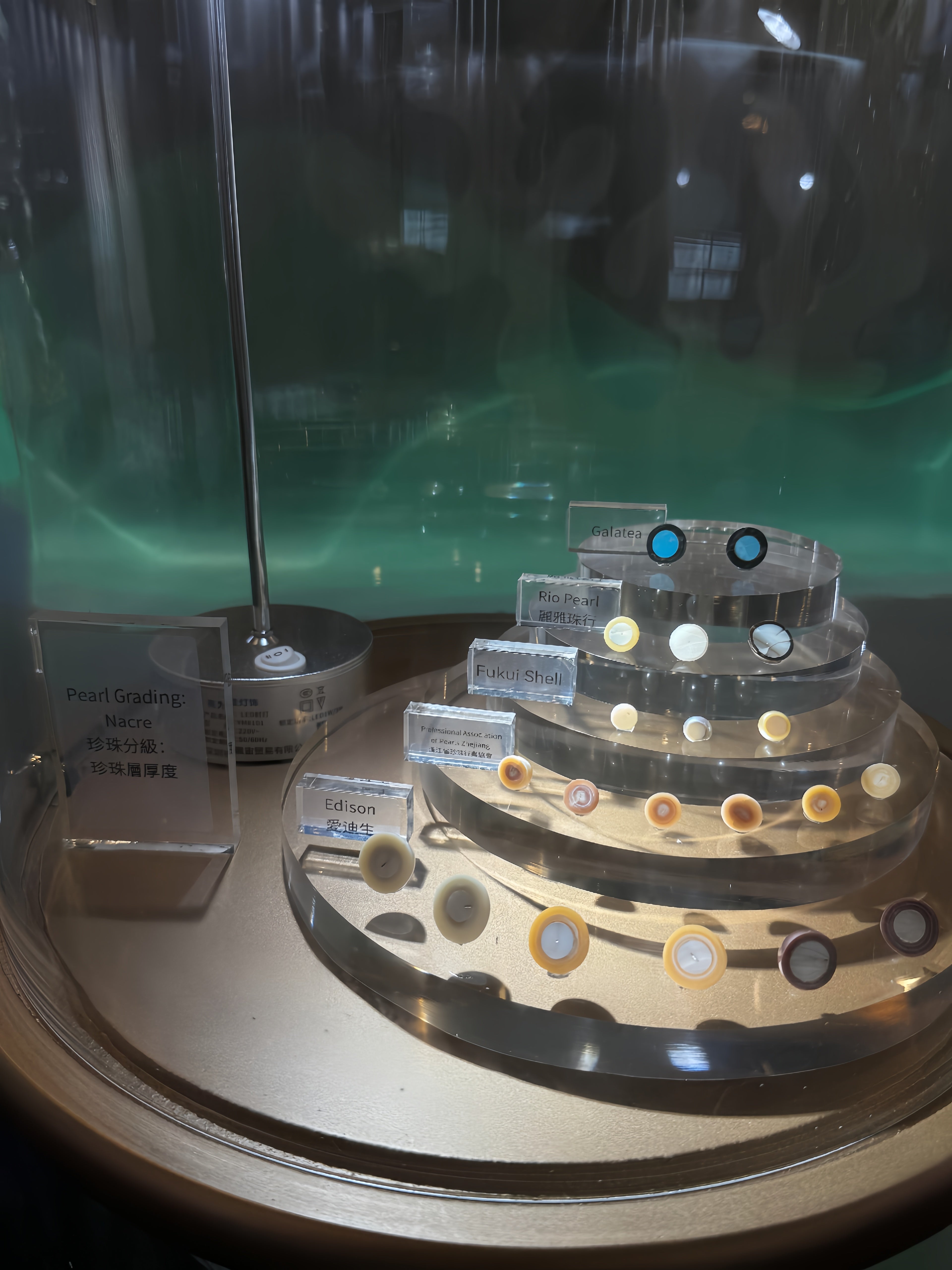
A pearl is built in layers. In nacreous pearls (the kind most fine jewelry buyers mean), nacre is the shimmering “wear layer.” More time in the water generally allows more nacre to build—up to a point. That extra nacre can improve long-term durability and often creates a deeper, more dimensional glow.
But farming is not a lab experiment. It’s a business under real-world conditions: temperature swings, storms, disease pressure, predation, and unpredictable yield. That’s why two pearls that look similar on the surface can sit in totally different price tiers once you consider how hard it was to grow them safely to harvest.

What You’re Actually Seeing When a Pearl Is Cut
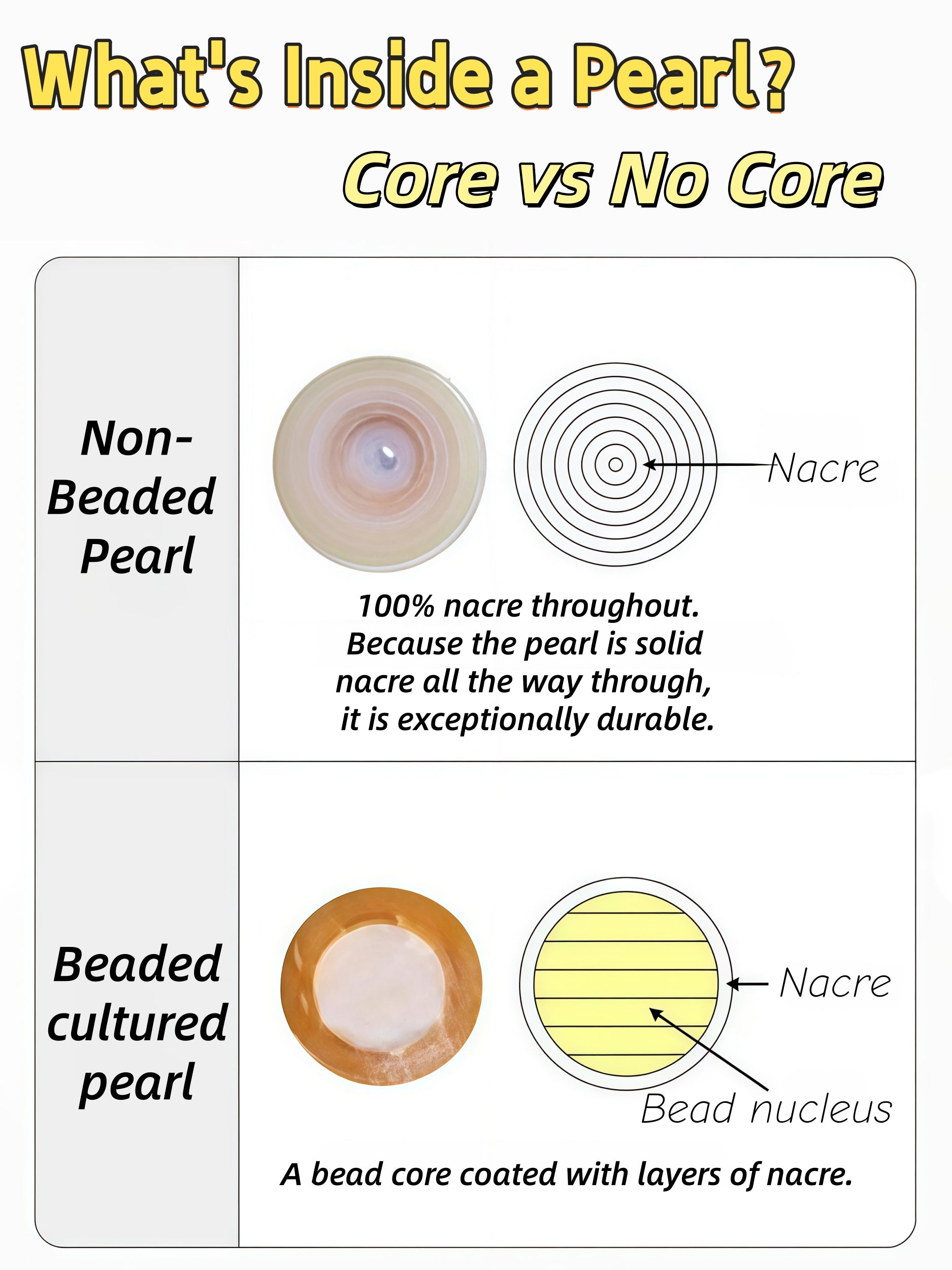
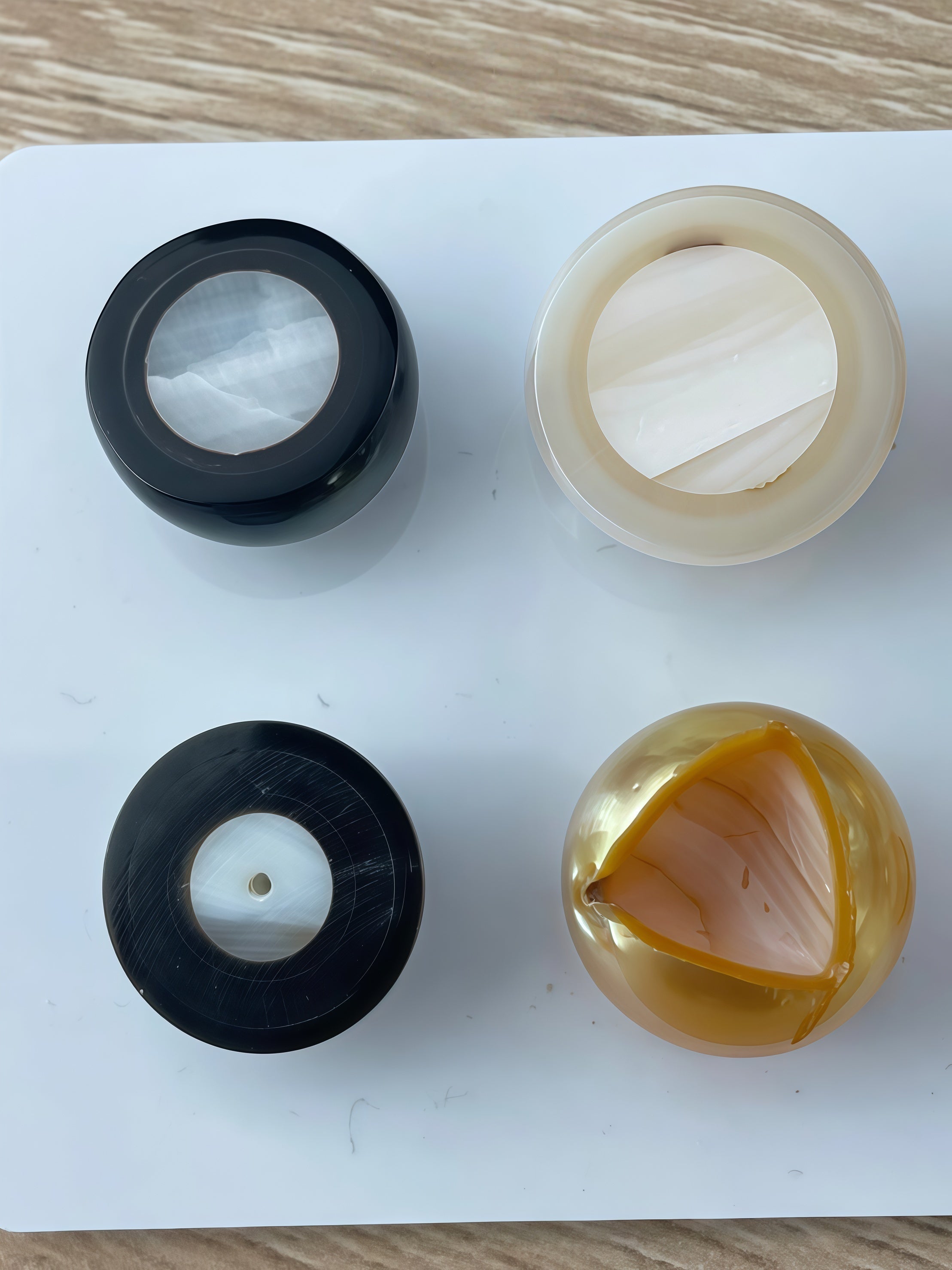
In a bead-nucleated cultured pearl, you’ll usually see two parts: a round bead nucleus in the center and nacre built around it. The visible nacre ring is the part that takes wear over time. If the nacre is thin, the pearl can still be beautiful—but it may be less forgiving after years of friction, cleaning, and daily use.
In a beadless (tissue-nucleated) pearl, there is no large bead nucleus. The pearl is largely nacre through-and-through. That structural difference is one reason many freshwater pearls can age well in normal wear—especially in small daily pieces.

Why Farms Prefer Shorter Grow-Out Cycles Today (Risk, Yield, and Price Volatility)
This is the part most “pearl facts” posts skip. Thick nacre is desirable, but longer farming time magnifies risk. Over the past few years, many farms (saltwater and freshwater) have faced more unpredictable conditions: unusual temperature patterns, stronger storm seasons, water quality disruptions, and shifting survival rates.
The farm’s decision is basically a risk equation
- More time can mean more nacre, but it also means more months exposed to loss events.
- Lower survival pushes farms to harvest earlier to avoid losing entire lots.
- Cashflow pressure matters: holding inventory longer ties up capital and delays repayment.
- Market price swings can punish long cycles. If prices soften right before harvest, farms can lose the “reward” for waiting.
In plain English: thicker nacre often costs more because it usually requires a longer, riskier path to harvest and stricter selection afterward. This is one of the cleanest EEAT explanations for why pearl price differences can be huge even within the same pearl type.
The Terms People Mix Up (This Is the Chapter for Seo)
Now let’s clear up the vocabulary. These terms get mixed constantly—even by sellers—so having clean definitions helps you shop smarter.
1) What is a cultured pearl?
A cultured pearl is a real pearl formed by a mollusk, with human help to start the process (e.g., implanting tissue and/or a bead nucleus, depending on pearl type). Cultured does not mean fake. It means farmed under controlled conditions.
2) Natural pearls
Natural pearls form without human intervention. They’re rare in modern jewelry markets and often priced as collector items. If someone is selling “natural pearls” at a casual price, ask for credible documentation.
3) Dyed pearl / treated pearl
“Dyed” means color was artificially modified. Many pearl treatments are common in the market—some are considered standard trade practice, but disclosure matters. A trustworthy seller should tell you what was done and price accordingly.
4) Seawater vs freshwater pearls
Seawater pearls usually come from pearl oysters (South Sea, Tahitian, Akoya). Freshwater pearls come from mussels. Both can be high quality. The difference is not “real vs fake”—it’s species, environment, and typical traits.
5) Nucleated vs non-nucleated (beaded vs beadless)
Nucleated (beaded) pearls grow around a bead nucleus. Non-nucleated (beadless/tissue-nucleated) pearls form without a large bead core. This influences shape tendency, structure, and how nacre is distributed.

Freshwater Pearls: Edison vs Beadless (Why This Matters for Nacre)
Freshwater pearls deserve a dedicated section because buyers often assume “freshwater = low grade,” which simply isn’t true anymore. Freshwater programs can produce beautiful luster and large sizes—especially in Edison-style bead-nucleated pearls—while beadless freshwater pearls offer a nacre-forward structure.
Edison (bead-nucleated) freshwater pearls
Edison-style pearls are typically bead-nucleated freshwater pearls aimed at larger, more “sea-pearl-like” presence. Depending on program and grow-out time, nacre thickness can vary—so selection and seller standards matter.
Beadless / tissue-nucleated freshwater pearls
These pearls are often described as solid nacre in structure (no large bead nucleus). For everyday wear jewelry, this can be a durability-friendly direction—especially when paired with good luster and clean surface.

A Visual “Pearl Dictionary” (One Board, Many Terms)
If you only keep one image from this post, make it this one. It’s a fast reference for the terms above: South Sea, Tahitian, Akoya, dyed pearl, keshi, freshwater, Edison, plus the idea of a “core.”

How to Shop Smart (When You Can’t Cut a Pearl in Half)
Most buyers will never measure nacre directly. That’s okay. Here’s the practical approach I recommend:
- Start with pearl type: know whether you’re shopping South Sea, Tahitian, Akoya, or freshwater.
- Ask about standards: reputable sellers can explain what they consider acceptable nacre quality for that category.
- Use luster depth as a signal: look for a clean highlight and “depth,” not just shine.
- For drilled pearls: inspect the drill hole for clean edges and stable surface.
- Buy for your lifestyle: daily-wear pieces should prioritize durability and stable surface.
Lab Links (Non-Product): Where to Learn and Verify Claims
If you’re dealing with high-value items (especially claims of natural origin or rare treatments), labs help reduce risk. Here are trusted, non-product references:
- GIA — Pearl Reports & Services
- GIA — 7 Pearl Value Factors (includes nacre)
- SSEF — Pearl Testing
- Gübelin Gem Lab — Services
- CIBJO — Pearl Book (trade standards PDF)
Watch: GIA on pearl value factors (nacre included)
FAQ
Does thicker nacre always mean a higher-quality pearl?
Not automatically. Nacre thickness supports durability and often contributes to depth, but beauty still depends on luster, surface, color, and matching.
Why would farms harvest earlier if thicker nacre is better?
Because farming is risk management. Longer cycles face more weather and survival risk, and market prices can move. Shorter cycles improve predictability and cashflow—even if it means thinner nacre.
Are dyed pearls “fake”?
Dyed pearls are real pearls with modified color. The key issue is disclosure and pricing.
What’s the single best buyer move when shopping online?
Ask for clear close-up photos and a short video under neutral light, then buy from sellers who can explain their standards and accept returns.


Leave a comment
This site is protected by hCaptcha and the hCaptcha Privacy Policy and Terms of Service apply.