
Is Super Glue Safe for Real Pearls? The Truth vs Craft Advice
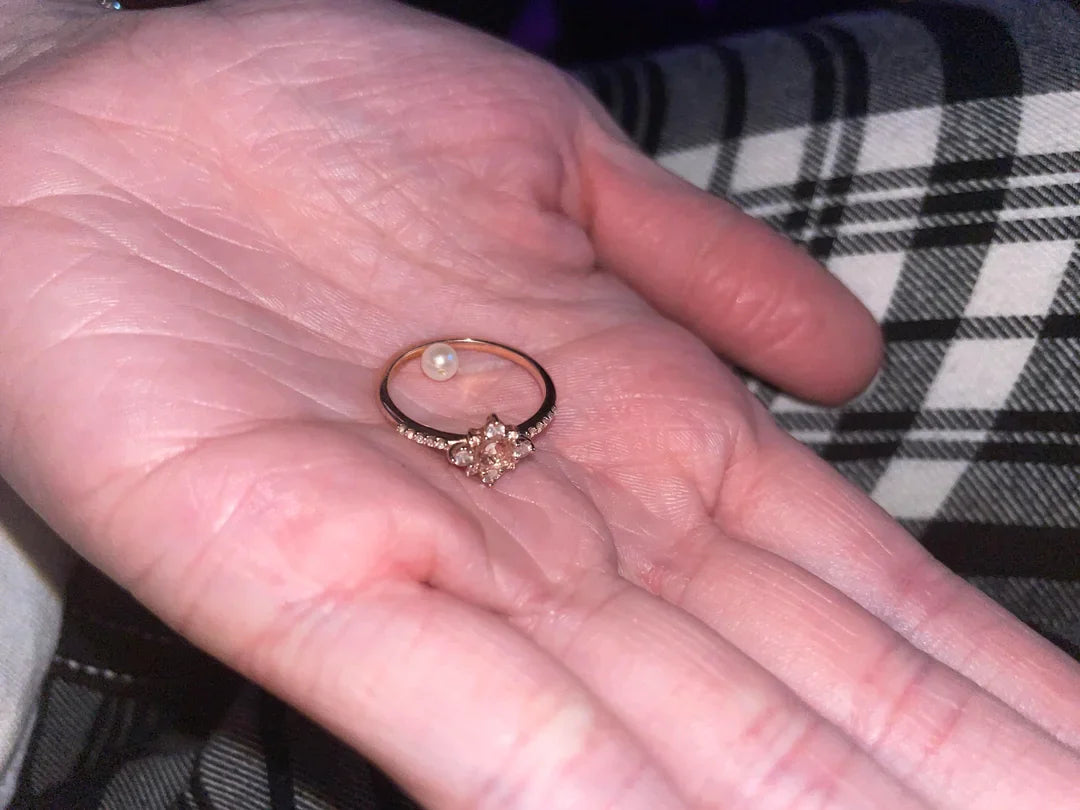
A little bench-life moment first: one of my Instagram followers — a jewelry lover and hands-on maker — messaged me after her pearl came off a finding. She asked, “Can I just use super glue?” This is a super common DIY instinct, so here’s the short, practical answer with a clear comparison.
Short answer
You can use super glue on pearls, but for real pearls in fine jewelry (especially half-drilled pearls on posts/pegs), it’s usually not the most reliable long-term choice. In most studio repairs, a slow-cure, clear two-part epoxy is the more dependable standard.
Glue comparison (what actually changes in real life)
| Adhesive | Best for | Pros | Cons | My take for real pearls |
|---|---|---|---|---|
| Super glue (cyanoacrylate) | Quick fixes, decorative uses, very snug fits | Fast, easy, widely available | Less forgiving if the fit isn’t tight; can be brittle over time | Okay for emergency fixes or non-fine uses; not my first choice for valuable studs |
| 5-minute epoxy | Fast general repairs | Convenient | Often criticized for long-term durability in pearl post work | Not recommended for real pearl studs you wear often |
|
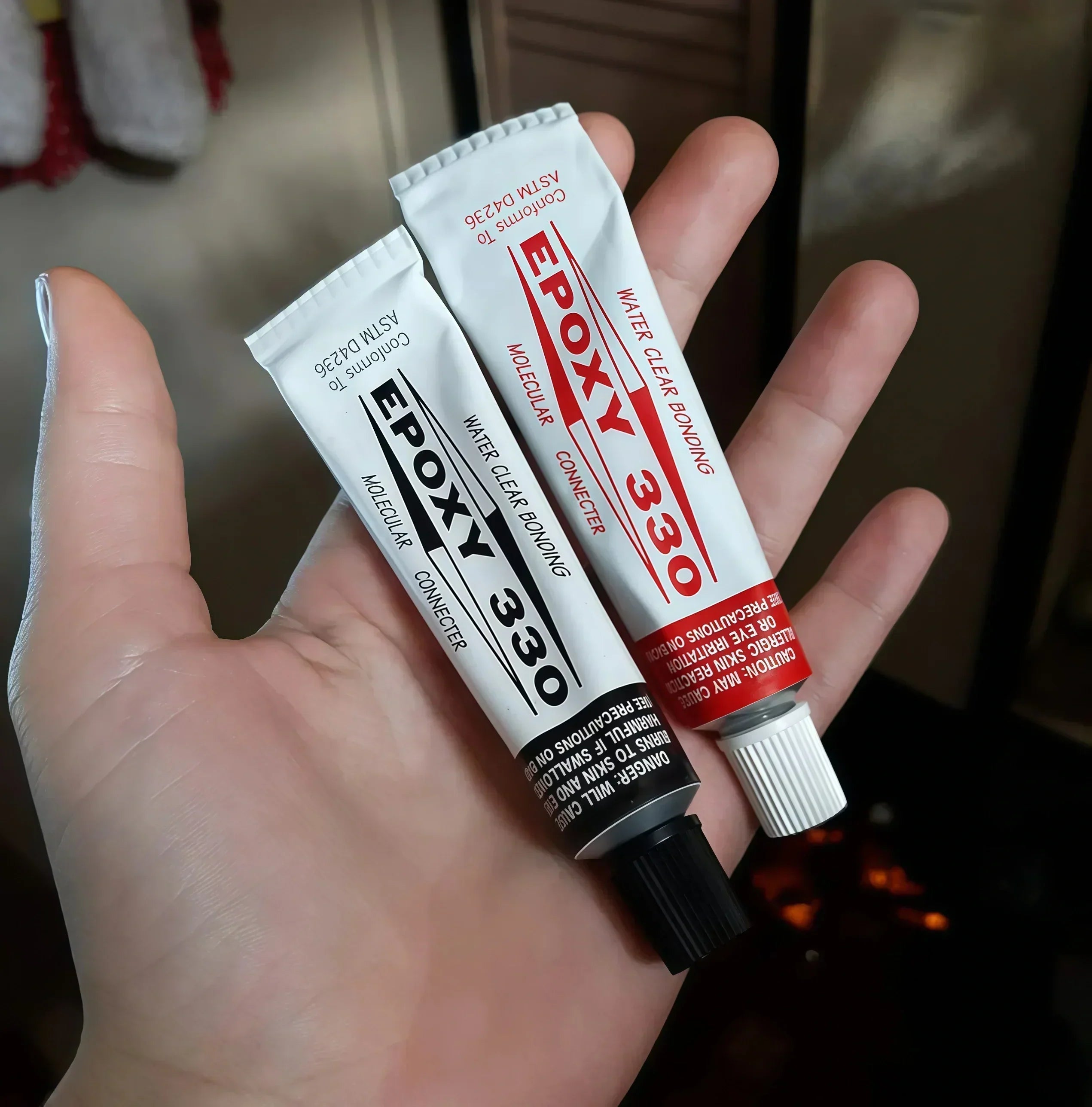
Slow-cure 2-part epoxy (e.g., Epoxy 330) |
Peg/post settings, fine pearl repairs | Strong, stable, cleaner long-term hold | Needs patience and careful alignment | Best overall choice for real pearl studs and pendants |
| E6000 / flexible craft adhesive | Mixed-material crafts, flexible bonds | Flexible, accessible | Less ideal for classic post-in-hole pearl structures | Works for craft contexts, but epoxy is more consistent for fine pearl posts |
Why craft advice often says “yes” to super glue
Many craft articles aim for speed and convenience, often focused on imitation pearls or decorative pieces. In that world, super glue recommendations make sense. If you want to see mainstream consumer positioning, check Loctite Products.
Why fine jewelry needs a higher standard
Real pearl studs and pendants usually rely on half-drilled holes + metal posts/pegs. If the hole-post fit is loose, any glue can fail. The durable answer is often better structure (thicker peg, or cup + peg) plus a slower, stronger epoxy approach.
The 20-second Fit Test
- Place the pearl onto the post without glue.
- Gently wiggle it.
Snug? A good epoxy repair will likely hold well.
Loose? The best long-term fix is usually a re-peg or a sturdier setting — not a different brand of glue.
If you must use super glue
- Use a tiny amount.
- Apply to the post, not by flooding the hole.
- Align quickly and don’t move it while setting.
You’ll also see makers debating this in real-world scenarios on Reddit: r/jewelrymaking.
The safer default for real pearls
For long-term wear and higher-value pieces, I recommend a slow-cure two-part epoxy. If you want a common industry example, Epoxy 330 is widely used for clean, strong bonds in jewelry repair. Discussions from bench jewelers about pearl mounting choices are also worth browsing: Ganoksin Orchid.


Leave a comment
This site is protected by hCaptcha and the hCaptcha Privacy Policy and Terms of Service apply.