
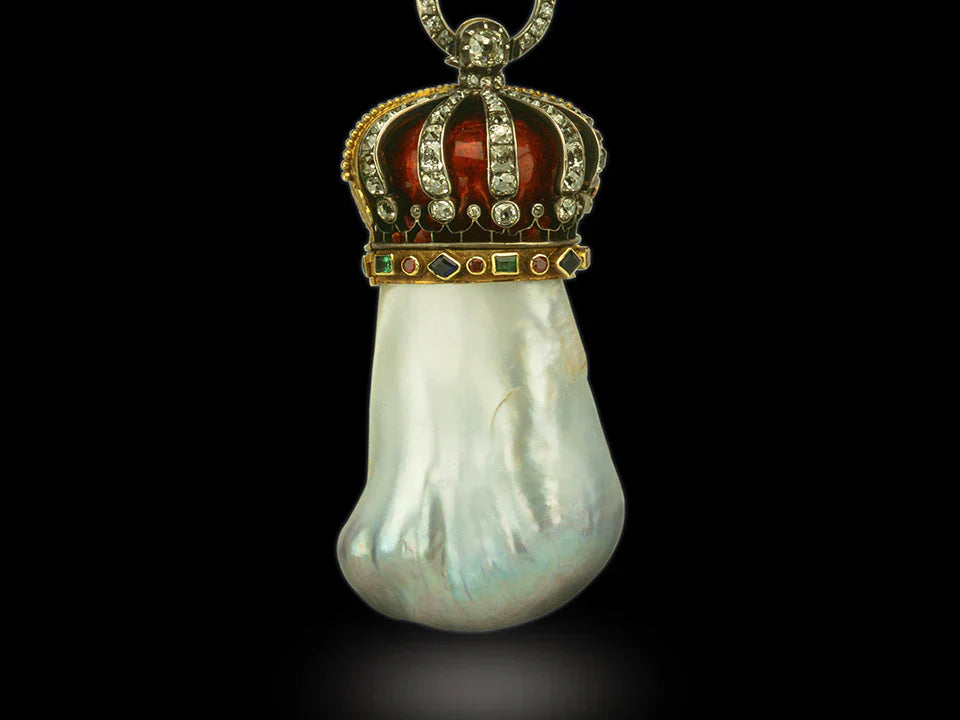
Pearl History: From Ancient Myths to Modern Pearl Farming (and Why Baroque Pearls Still Feel Magical)
Pearl history isn’t just a timeline—it’s a story about water, culture, belief, and craft. Pearls are the rare gem that comes from a living creature, so they’ve always carried more meaning than “pretty jewelry.” From ancient myth to museum paintings to today’s pearl farms, pearls have stayed in our lives because they reflect something we never stop chasing: light.
What you’ll learn in this guide:
- A clear pearl history timeline (natural pearls → cultured pearls → modern pearl farming)
- How pearls show up in myth, religion, and art—and why that matters for how we wear them today
- The practical difference between natural and cultured pearls (without confusing marketing language)
- How to shop pearls in 2026 with confidence (especially freshwater and baroque styles)
- A dedicated section you can use to feature your baroque bracelet product
1) The Origin Story: Why Pearls Felt Like Miracles
Before diamonds were widely cut and polished, before gemstones were graded and standardized, pearls arrived already “finished.” Imagine opening a shell for food and finding a glowing sphere inside—no mining, no faceting, no tool marks. That simple surprise is where pearl history begins: a gem that looks like moonlight, born from water.

Why pearls never felt like “just another stone”
- They come from a living creature (not the earth), so cultures treated them like gifts from nature—or the divine.
- They look luminous without cutting, which made them feel mysterious in early jewelry history.
- They’re tied to clean water, so pearl symbolism often overlaps with purity, protection, and status.
2) Pearls in Myth, Religion, and Culture
One reason pearl history is so rich is that pearls show up everywhere people tell stories: in religion, in folklore, in poetry, and in the visual language of power. These meanings still shape modern pearl jewelry—especially when you choose styles like baroque pearls that feel artistic and expressive.
Pearls in myth and folklore
- Water-born protection: Many traditions linked pearls to protection because they came from living water and “survived” inside a shell.
- Dragon and sea legends: Across East Asian folklore, pearls often symbolize spiritual energy, wisdom, or power—sometimes pictured as a glowing treasure held by dragons.
- Moon and tears: In Western storytelling, pearls are frequently described as moonlight or tears—soft beauty with emotion behind it.
Pearls in religion and symbolic language
- Purity and devotion: Pearls became a visual shorthand for purity in many European contexts (especially portrait culture).
- “Pearl of great price” is a famous Biblical phrase that shaped pearl symbolism in Christian art and literature.
- Modesty vs. luxury: Pearls also show up in moral language (for example, warnings about vanity), which is part of why pearls sit at the intersection of elegance and restraint.
Pearls in art: the “portrait effect”
Painters loved pearls because they’re basically a built-in lighting trick. A pearl catches highlights, reflects the room, and adds a point of brightness that makes a face feel more alive. That’s why a single pearl earring can dominate a painting—and why pearl jewelry still photographs so beautifully today.

3) The Natural Pearl Era (Diving, Trade Routes, and Scarcity)
For most of pearl history, pearls were natural—formed by chance, found by searching. That scarcity is the reason pearls once functioned like a status code. A perfect natural pearl was rare enough to become legend.
Why natural pearls were so expensive
- Natural pearls were unpredictable: you could open thousands of shells and find nothing.
- Harvesting was dangerous and labor-intensive, especially in ocean diving regions.
- Matching pearls for strands required extreme scarcity on top of scarcity.
The “pearl rush” mindset
When pearls are scarce, people chase them. Across different places and centuries, pearl hunting created boom-and-bust cycles: diving economies, sudden fortunes, and—too often—damaged ecosystems. This is the shadow side of pearl history that makes modern pearl farming so important.
4) The Cultured Pearl Revolution (How Pearl Farming Works)
The biggest turning point in pearl history is simple: humans learned how to start the pearl process in a controlled way. That shift created the modern world of cultured pearls—and made pearls accessible beyond royalty and old-money collectors.
Natural vs. cultured pearls (plain English)
A natural pearl forms without human help. A cultured pearl forms when pearl farmers carefully introduce a “starter” (typically tissue, and in many saltwater types a bead nucleus) so the mollusk begins coating it with nacre over time.
How pearl farming works (simplified, accurate, and practical)
- Selection: Farmers choose healthy oysters or mussels and maintain clean water conditions.
- Seeding/implantation: A trained technician introduces the starter in a controlled procedure.
- Growth: The mollusk deposits nacre layer by layer over months or years.
- Harvest: Pearls are collected, sorted, and graded by luster, surface, shape, and matching.
Prefer a simple link instead of an embed? Watch on YouTube

5) Modern Pearl Farming Today: Freshwater vs. Saltwater
Most pearls sold today are cultured, but not all cultured pearls are the same. Understanding the “types” is the fastest way to shop smarter—because pearl history created different farming traditions, different environments, and different looks.
Freshwater pearls (lakes and rivers)
Freshwater pearls are grown in lakes, ponds, and rivers. They’re known for variety—especially in shape and natural character—which is why they’re a favorite for modern, creative designs. If you love individuality, freshwater pearls are often where the fun starts.
Saltwater pearls (ocean farms)
Saltwater pearls (like Akoya, South Sea, and Tahitian) are typically associated with specific oyster species and regions, and they often have a more “classic” brand identity in the public imagination—round strands, formal elegance, heirloom styling.
Where baroque pearls fit in
Baroque pearls aren’t fake or “less real.” “Baroque” simply means the shape is organically irregular—each pearl is unique. Some of the most beautiful pearls on earth are baroque because they look like tiny sculptures.
Practical tip: if you want baroque style that feels wearable every day, look for baroque pearls with: high luster, a clean overall face-up look, and a shape that feels intentional (not damaged).
6) How to Shop With Pearl History in Mind (Practical Checklist)
Pearl history is helpful because it teaches you one truth: pearls have always been valued for light, not perfection. Whether you’re buying classic rounds or expressive baroque pieces, here’s the no-confusion checklist.
The 5 checks that matter most
- Luster (first): Do you see crisp highlights and “life” on the surface?
- Surface (second): Are marks minor and non-distracting at normal viewing distance?
- Shape (style choice): Round for classic formality; baroque for sculptural personality.
- Color/Overtone: Choose what flatters skin tone and wardrobe (not what’s “trending”).
- Matching: For pairs/strands, look for harmony (especially with baroque pearls).
Red flags to watch for
- Vague listings that don’t show real close-ups in natural light.
- Overpromising language like “perfect” without photos that prove it.
- No return policy clarity on a product where variation is normal (especially baroque pearls).
If you want, you can add an internal link here to your educational page: (Example) “New to pearls? Read our guide to pearl luster, nacre, and grading.”
Pearl Grading Basics | Shop Pearl Earrings | Shop Freshwater Pearls
7) Featured: The Baroque Bracelet (Soft Spotlight for Your Product)
If pearl history teaches us anything, it’s that pearls are never just decoration. They’ve always been worn as a personal signal—taste, belief, love, status, memory. That’s exactly why a baroque bracelet works so well today: it’s intimate, wearable, and full of character.
Why baroque pearls belong on the wrist
- Movement: Baroque shapes catch light as your hand moves—tiny flashes of glow throughout the day.
- Personality: No two baroque pearls are identical, so your bracelet looks uniquely yours.
- Easy styling: A baroque bracelet pairs with jeans and a tee, office outfits, or evening wear without feeling “too formal.”

Introducing: Baroque Bracelet in Alya Pearls — a bracelet designed to highlight the natural sculpture of baroque pearls. If you’re choosing one pearl piece that feels artistic but still practical, this is a great place to start.
- Best for: everyday glow, thoughtful gifting, and layering with watches or gold chains
- Style notes: organic shapes, luminous surfaces, and a “one-of-a-kind” look by nature
- What to expect: natural variation—each baroque pearl has its own silhouette and light pattern

Need a custom length? Contact us and we’ll help.
8) Pearl History FAQ
When did people start wearing pearls?
Pearls have been valued for thousands of years. Across early coastal and river communities, people treasured pearls because they were rare, luminous, and required no cutting to look beautiful.
What is the difference between natural and cultured pearls?
Natural pearls form without human intervention. Cultured pearls form when pearl farmers carefully introduce a starter so the mollusk begins building nacre in a controlled environment. Both are real pearls—the difference is whether humans helped start the process.
Are freshwater pearls real pearls?
Yes. Freshwater pearls are real pearls grown in lakes and rivers. They’re especially known for variety in shape and color, and they’re widely used in modern pearl jewelry.
Are baroque pearls lower quality?
Not automatically. “Baroque” describes shape, not quality. A baroque pearl can be high quality if it has strong luster and an attractive, clean overall appearance.
What’s the most practical pearl jewelry to start with?
If you want one piece you’ll actually wear, start with either pearl studs (classic) or a baroque bracelet (modern and expressive). Choose luster first—great luster makes any pearl look more expensive.

%0APearl%20history%20isn%E2%80%99t%20just%20a%20timeline%E2%80%94it%E2%80%99s%20a%20story%20about%20water,%20culture,%20belief,%20and%20craft.%20Pea...)
Leave a comment
This site is protected by hCaptcha and the hCaptcha Privacy Policy and Terms of Service apply.