
Where Do Pearls Come From? Complete 2026 Guide to Formation
Pearls are organic gems made inside mollusks, including oysters and mussels. They form when something bothers the mollusk. The mollusk then tries to protect itself. Natural pearls are fabulously scarce. However, the production of cultured pearls has become the primary part of the pearl world in 2026.
This guide will take you through the process of making pearls. We will include natural phenomena as well as the future of ethical farming. At Alya Pearls, we work on the principle "From Pearl Farm to Finished Jewelry." This is the result of generations of experience. We have the pleasure of giving you our expertise.

Key Takeaways
- Origin: Pearls come from mollusks. Oysters are in saltwater while mussels are in freshwater. They make pearls as a natural defense.
- Natural vs. Cultured: Natural pearls are the result of a rare accident. Cultured pearls are real pearls that have been created with the assistance of humans. They account for almost all of the market.
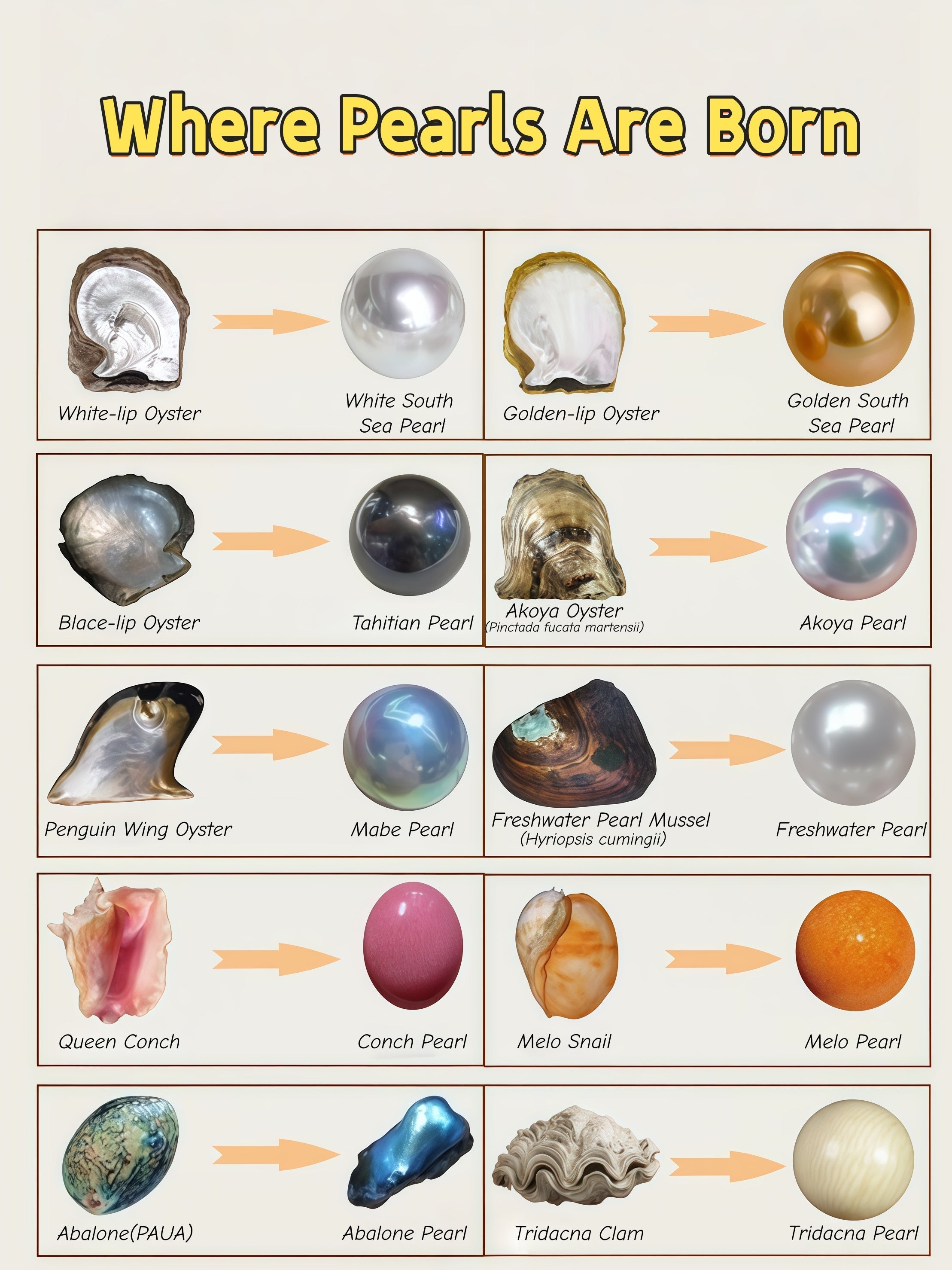
- Major Types: The main types consist of saltwater Akoya, Tahitian, and South Sea pearls as well as many freshwater variants.
- Formation: The whole process needs an irritant. The mollusk, in turn, produces nacre (mother-of-pearl) that will become the gem.
- Ethical Cultivation: Present practices employ natural nuclei, which improves pearl quality and helps the environment.
The Miracle of Nature: How Are Natural Pearls Formed?
The story of where pearls come from starts with a simple event. A natural pearl forms when an irritant gets inside a mollusk. This is usually a tiny parasite, not a grain of sand. It gets stuck in the soft tissue of the animal.
To protect itself, the mollusk fights back. It uses a natural defense against the irritant. It puts a "pearl sac" around the intruder.
This sac deposits thousands of thin layers. The substance is nacre, which is also called mother-of-pearl. After many years, these layers build up and form a shiny pearl. This entire cycle occurs randomly and is very rare, which is why almost every pearl you see today is a cultured pearl.
A World of Luster: The Art of Cultivating Saltwater Pearls
Cultured saltwater pearls are made when a skilled worker carefully starts the natural process. A small bead made from a shell is put into the oyster's reproductive organ along with a tiny piece of tissue. This helps the oyster begin forming a pearl.
Tahitian Pearls: The "Queen of Pearls"
Tahitian pearls are famed for their dark, exotic colors. They grow in the special oysters found in French Polynesia, namely Pinctada margaritifera. The hues are absolutely natural and they are varied—like peacock green, silver, or very rich purple.

We are pearl specialists with more than 20 years of practice. We understand that protecting nature is a priority. We have worked with ethical farms such as Kamoka Pearls. They use practices to keep the ocean environment clean. This responsible farming results in pearls with superior shine. This resonates with our own core values.
South Sea Pearls: The Pinnacle of Size and Value
South Sea pearls stand out as the grandest pearls that one can find. A vast majority of them are among the most expensive to buy. They reside in Pinctada maxima oysters, which are commonly found in the warm, tropical waters of northern Australia, Indonesia, the Philippines.
There are two principal kinds. The silver-lipped oyster produces stunning white and silver pearls. Paspaley farms located in Australia supply these famous pearls. The gold-lipped oyster gives rise to stunning deep golden pearls.
The company founder, Alya Liu, has long been involved with these precious stones. She even got to visit the pearl farms in Lombok, Indonesia. She has observed how these pearls are grown. This first-hand experience has been integral to our "From Pearl Farm to Finished Jewelry" philosophy. It has given us the ability to trace the origin and ascertain the quality of every pearl we use.
The Birth of an Industry: How Japanese Akoya Pearls Changed Everything
The saga of the modern pearl industry begins in Japan. Akoya pearls originate from the small Pinctada fucata oyster, which is known for its perfect round shape and mirror-like finish. These are the classic white pearls that people usually think of.
Several people were engaged in the effort, but Kokichi Mikimoto was the first to successfully manufacture them. He patented and marketed a process that allowed the cultivation of whole, round cultured pearls. This was in the early twentieth century. He was awarded a patent in 1916. The result was that any person could wear beautiful pearls, not only the royal families. His invention had a major impact on the world of jewelry.
The Pearl Science Laboratory (真科研) in Japan was another extremely responsible party. They brought strict quality standards. These are known and applied around the world in grading pearls. The top grade Akoya pearls are referred to as "Hanadama" by the lab.
The Freshwater Revolution: China's Rise in Pearl Cultivation

Pearl harvest in China at 80's
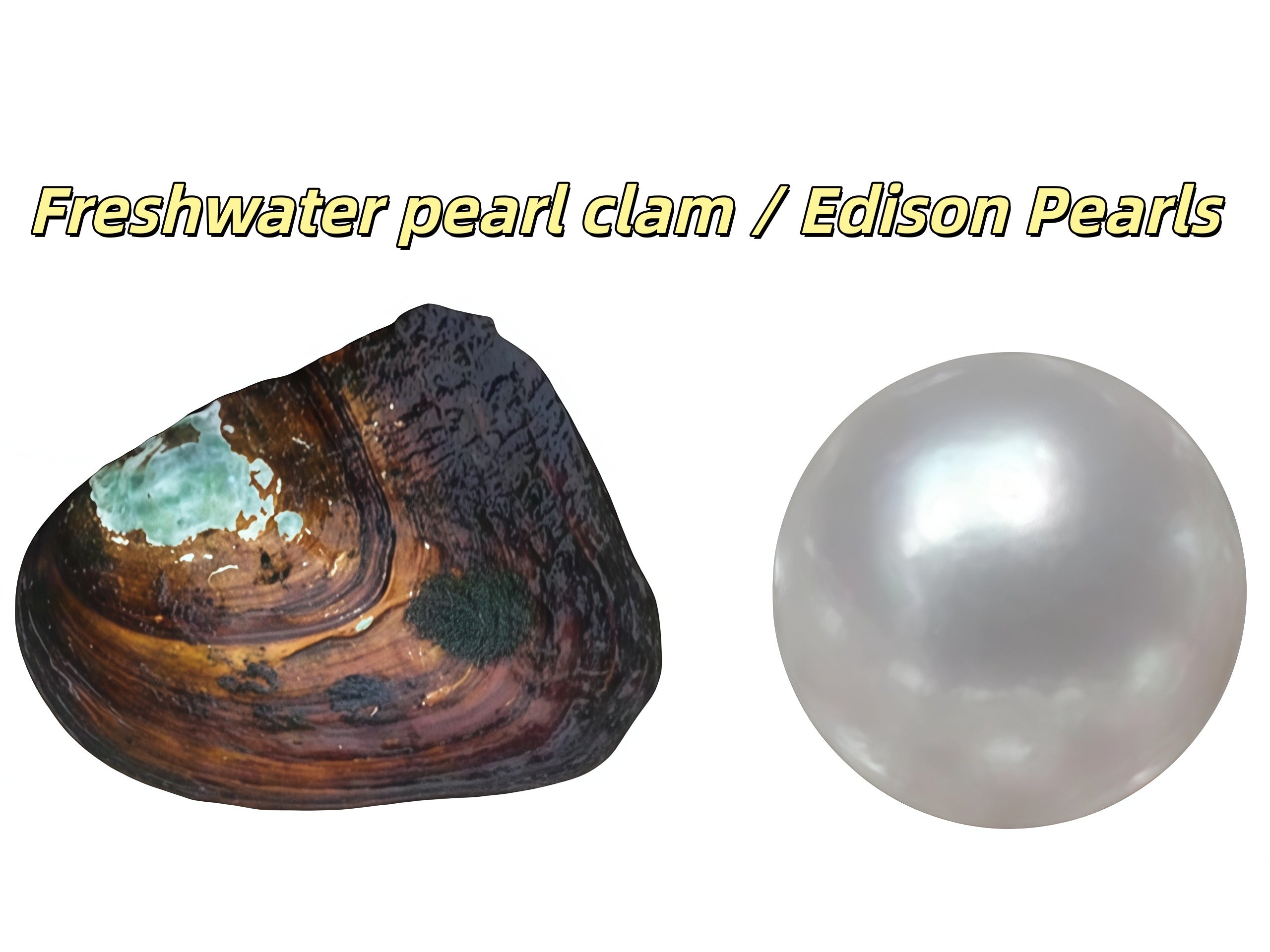
Oysters create pearls in saltwater. Mussels, on the other hand, are responsible for freshwater pearls. Nowadays, the majority of the freshwater pearls are cultivated in the lakes and rivers in China. This is a shared experience for us at Alya Pearls.
Over the 60 years of pearl farming, the family of our founder has seen and experienced it all. In the 1970s and 1980s, the first Chinese farmers were known for "rice krispie" pearls. The process used only a piece of tissue to start the pearl, not a bead. This resulted in many small, oddly-shaped pearls per mussel.
Years of trials and advancements have brought about tremendous changes. Starting in the 1990s, farmers improved their methods and started choosing their best mussels for breeding. We were an essential part of both the journey and the outcome. As a result, the quality of the pearls increased substantially. Farmers began to produce rounder and shinier freshwater pearls. These pearls captivated people with their various natural colors like pink, purple, and white. These are the pearls we know in 2026.
Beyond the Classic Round: A Deeper Dive into How Pearls Are Made
The world of pearls has more than just the classic round shape. Understanding where pearls come from also means knowing about the different ways they can form.
Mabe Pearls ("Marginal Mantle Pearls")
Mabe (pronounced "mah-bay") pearls are not whole pearls. They are beautiful half-pearls. To create one, a half-sphere nucleus is attached to the inner side of the mollusk's shell.
The mollusk then hides the core under layers of nacre. Once the nacre is thick enough, the dome is cut carefully out of the shell. It is then finished by backing it with mother-of-pearl to complete the gem.
Bead-Nucleated Freshwater Pearls ("Foot/Visceral Mass Pearls")
This groundbreaking technology has transformed freshwater pearl farming. It is applied in the successful production of large, round pearls like Edison pearls. Unlike traditional freshwater pearls that only use tissue, this method uses a bead nucleus. This is similar to saltwater pearl farming.
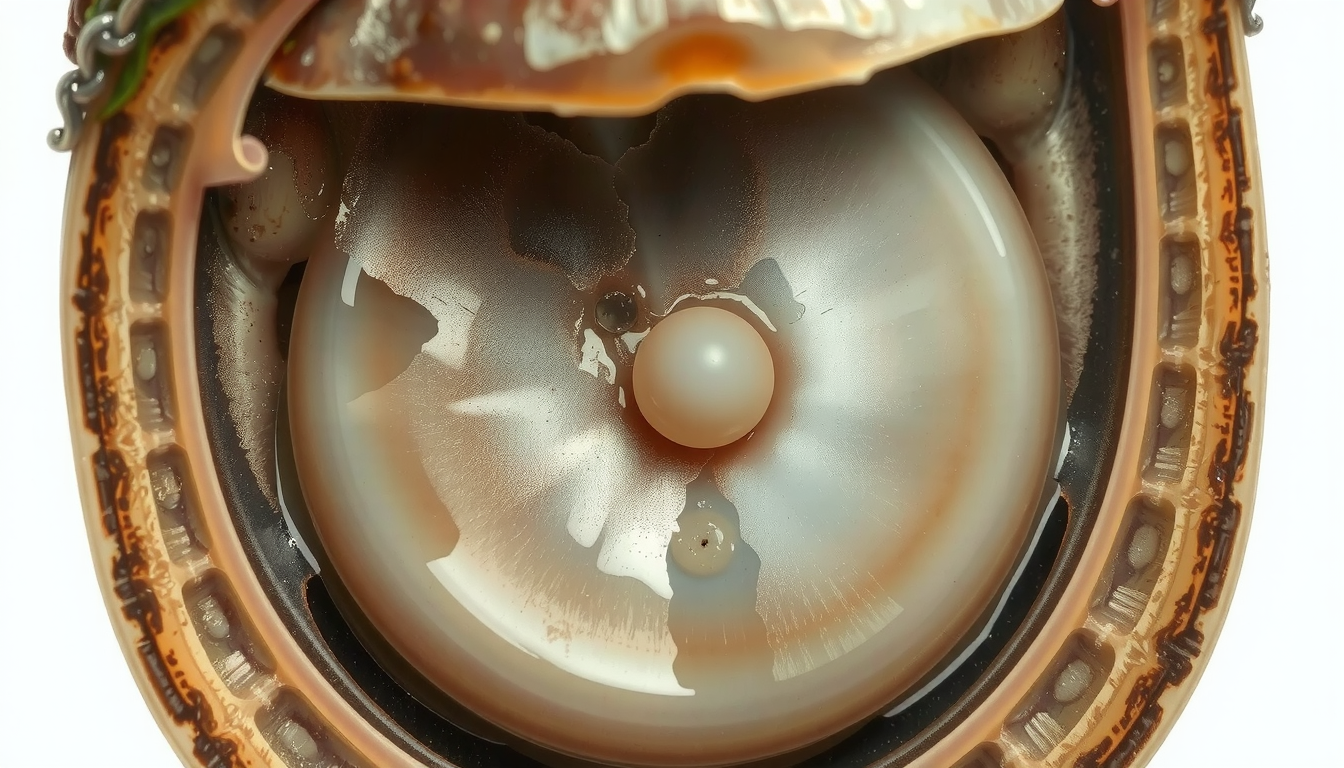
The bead is placed inside the mussel's "foot" or main body, instead of being placed in the outer tissue. Consequently, the mussel can then channel all its energy into the production of a single, large, high-quality pearl. The end result can be on par with the size and shine of expensive saltwater pearls.
| Pearl Type | Nucleation Method | Location in Mollusk | Typical Shape(s) |
|---|---|---|---|
| Traditional Freshwater | Mantle Tissue Only | Mantle | Off-round, Baroque, Rice |
| Saltwater (Akoya, South Sea) | Bead + Mantle Tissue | Gonad (Reproductive Organ) | Round to Near-Round |
| Edison (Freshwater) | Bead + Mantle Tissue | Foot / Visceral Mass | Large, Round |
The Future is Ethical: Our Commitment to Sustainable Pearl Quality
At Alya Pearls, we believe the future of pearl farming is about more than beauty; it's about doing the right thing. For a long period of time, the industry standard has been to use beads from plastic or shells from other regions.
We are leading a more natural and ethical path. We have moved away from standard nuclei and now make our own from the shells of mother-of-pearl mussels. This process supports the environment. The natural material is one that is more readily accepted by host mussels.
What did we find? The mussels gave us their feedback. With our natural nuclei, the nacre that forms is more even and exceptionally beautiful. The quality of the pearls is phenomenally better. With over 20 years in pearl processing, we confidently declare that ethically grown pearls are not just a moral choice, but the path to the highest quality gems. This is the core of our "From Pearl Farm to Finished Jewelry" promise.
From Farm to You: Discover Your Perfect Pearl Necklace
Understanding where pearls come from helps you choose jewelry that tells a story. From the classic beauty of a round Akoya pearl to the unique, organic shape of a Baroque freshwater pearl, each gem has a journey. This insight helps you find a piece that connects with your personal style and values.
At Alya Pearls, we craft these wonders of nature into timeless jewelry. Our collection of Pearl Necklaces | Freshwater, Baroque, Choker & Pendant | Alya Pearls illustrates this incredible variety. With two decades of design experience and insights from our founder, GIA-certified Pearl Specialist Alya Liu, each piece is a tribute to the pearl's amazing journey. Explore our collection, and you will find the necklace that tells your story.
For a limited time, you can get 20% off your purchase by using the code LOVE20. Plus, you will receive a free pair of pearl studs with every order above $99. Every order made helps us give back by donating a pair of pearl studs to girls in need.
Frequently Asked Questions (FAQ)
1. Do pearls come from clams?
While "clam" is a general term, gem-quality pearls mainly come from mollusks like specific types of oysters in saltwater and mussels in freshwater. Not just any shellfish can make the pearls we see in jewelry.
2. How can you tell if a pearl is real?
The "tooth test" is the easiest method. Gently rub the pearl against the surface of your tooth. A real pearl will feel slightly rough or sandy because of its nacre layers. A fake plastic or glass pearl will feel perfectly smooth. The advice of a gemologist is the most reliable way of checking.
3. How long does it take for a pearl to be made?
The duration varies significantly with the pearl type. Akoya pearls are usually grown for a period between 6 months and 2 years. High-quality freshwater pearls can be made in a time range of 2 to 7 years. The large and luxurious South Sea pearls will usually take anywhere between 2 to 4 years to reach their impressive size.
4. Why are some pearls different colors?
A pearl's color depends on a few things. These include the type of host mollusk, the thickness of the nacre, and trace minerals in the water where it grew. For instance, the famed dark colors of Tahitian pearls are a result of the black-lipped Pinctada margaritifera oyster.
5. Are cultured pearls considered real pearls?
Yes, absolutely. A cultured pearl is a 100% real pearl. It grows inside a living mollusk. The only difference from a natural pearl is that a pearl farmer started the process. The growth itself is completely natural. The final gem is identical to its wild counterpart.


1 comment
We are currently acquiring rare, extraordinary pearls exceeding 18 mm in size and would like to review your exceptional collection.
Please have your senior management reach out to us at their earliest convenience with information on your available inventory
For context, our Anita Mai TAN is globally recognized as one of the top Five independent Female creators of museum-grade jewelled artifacts.
We specialize in unique symbolic objects, natural heritage masterpieces , and sovereign-level commissions for Ultra-high-net-worth clients.
You can view our exclusive portfolio by visiting algems.com or by searching “ anita mai tan”.
We look forward to connecting
Kindest regards, Virginie
virginie
Leave a comment
This site is protected by hCaptcha and the hCaptcha Privacy Policy and Terms of Service apply.