
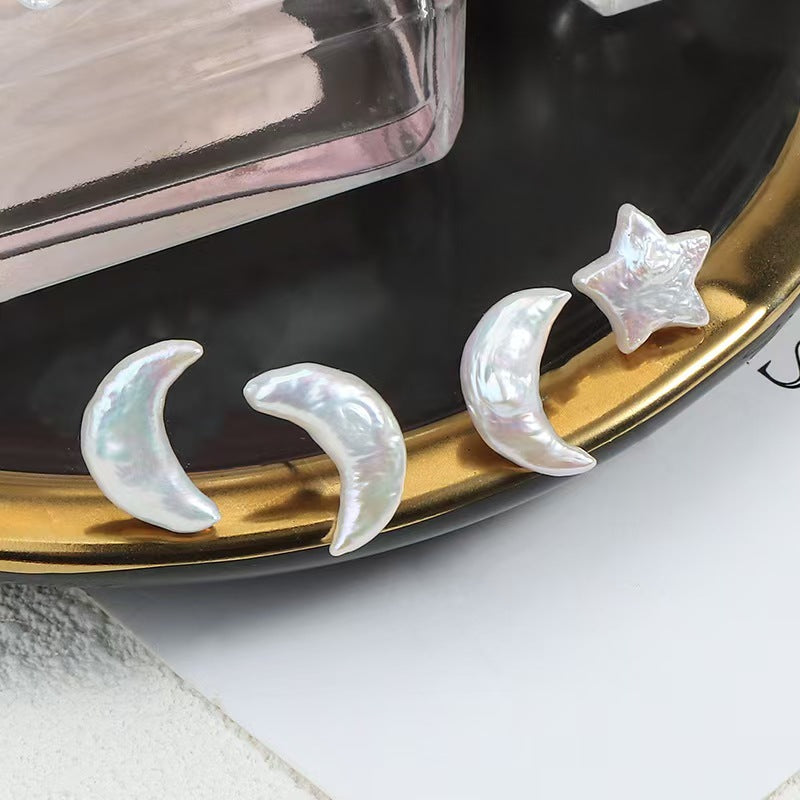
Star Pearls: How Ethical Farming Creates Superior Quality
The Secret Inside Star Pearls: How Ethical Farming Creates Better Quality
I'm a pearl specialist with two decades of experience under my belt. People mostly ask me difficult questions about irregular pearl shapes. For me, star pearls, among all others, are extra special and super stunning. These are genuine pearls cultivated in freshwater and have an amusing shape that looks like a star.

This shape is accomplished through the use of a star-shaped core placed inside a freshwater mussel. This is a brilliant blend of human skill and nature's work. However, not all star pearls are identical. The beauty of these ones lies in the secrets contained in a forepart: the nucleus.
We have over 20 years of experience in pearl processing. We made a change for ethical reasons. This led to a surprising discovery about pearl quality.
Key Points
- Star pearls are real pearls grown in a mussel around a pre-formed, star-shaped core.
- The material used for this core is critical for the pearl's quality and environmental impact.
- Many shaped pearls used plastic cores in the past. We started using mother-of-pearl cores for a better process.
- This ethical choice led to a surprise: the mother-of-pearl nucleus makes higher quality star pearls with better shine, shape, and strength.
How Star Pearl Growing Works
Creating a star pearl is both a practice of patience and a work of art. Nature's magic and human precision combine in this process. Every step is meticulously performed. The bond between the pearl farmer and the living mussel is so deep, the process reveals it.
Here are the steps:
- Step 1: The Core. The journey begins with a small star-shaped object called a nucleus. This acts as the template for the pearl.
- Step 2: Placing It Inside. A skillful worker carefully places this nucleus into a freshwater mussel. This is delicate work and requires great skill.
- Step 3: Pearl Layer Formation. The mussel performs its natural function over the next 2-3 years. It creates thousands of very thin layers of nacre around the nucleus. Nacre is what gives the pearls their shiny lustre. These layers build up over time to create the final star shape.
This guided process makes star pearls different from other types. Round pearls use a round bead. Baroque pearls typically grow into uncertain shapes. Star pearls are made on purpose to bring a playful yet elegant touch to jewelry designs.

The Core Revolution
Our family has a long history in pearl farming, with over 60 years of experience. We have seen growing techniques change. Our "From Pearl Farm to Finished Jewelry" philosophy drives our keen-eye for every detail in every step. The nucleus was no exception. We seized the opportunity and improved the process which, in turn, led to the improvement of the mussels and their environment.
The Old Way: Problems with Plastic
For many years, shaped pearls were made with cores made from plastic or resin. These materials were chosen because they are inexpensive and easy to form into different shapes.
However, we were concerned about their drawbacks. Putting a synthetic, non-natural substance into a living organism can cause stress. It also raises questions about the long-term impact of these materials on the environment. We thought there must be a better alternative.
Our Innovation: Using Mother-of-Pearl
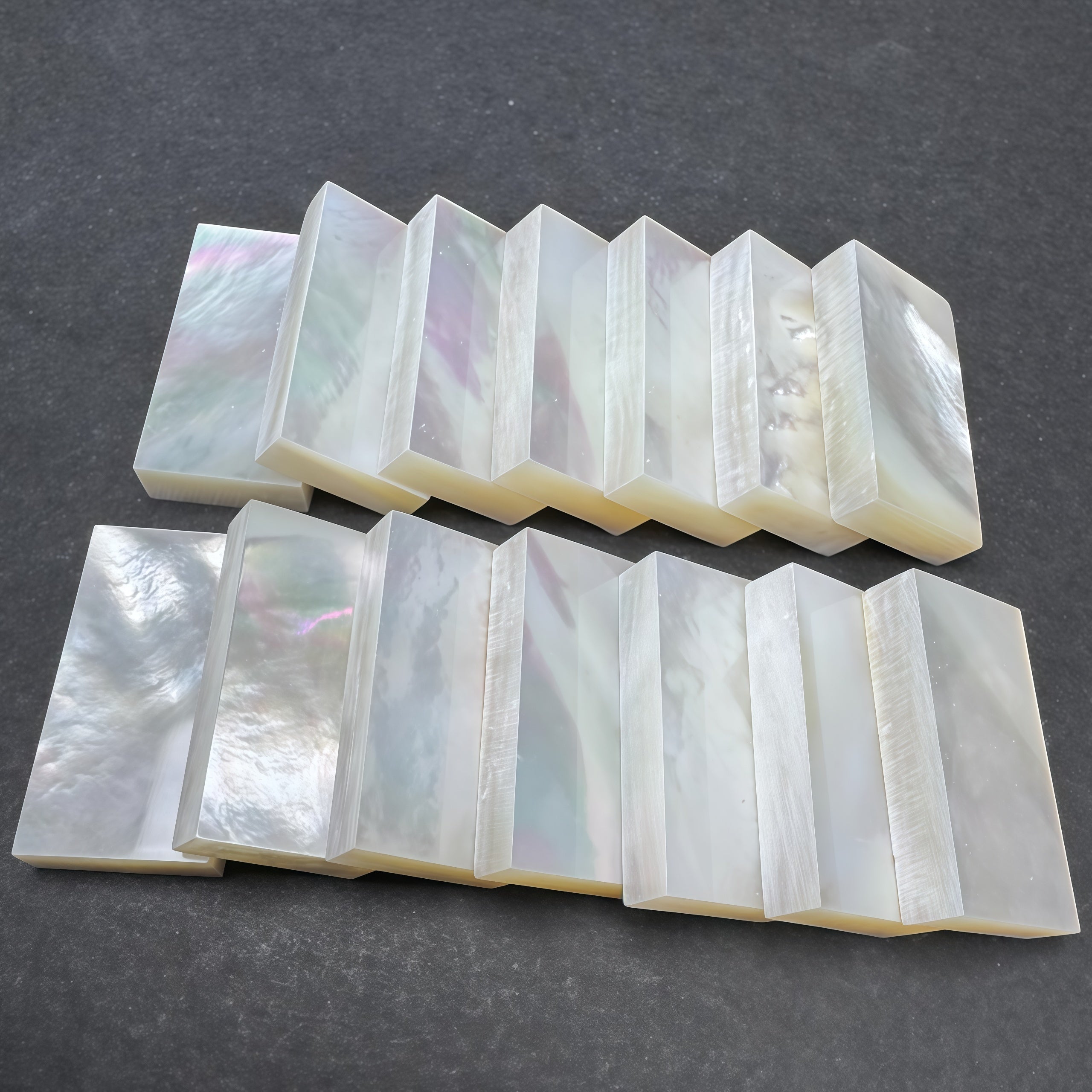
We decided to innovate and change the rules. We replaced the old plastic nucleus with one made from mother-of-pearl. Mother-of-pearl is the same shiny and beautiful natural material that lines the inside of a mussel's shell.
The premise was simple. Mother-of-pearl is a natural material and is compatible with living tissue. The mussel identifies it as something it knows. We believed this would reduce the risk of stress and rejection. This also meant that we were no longer polluting the earth with plastic. The initial cost is higher, but in the long run, we consider it a worthwhile investment for the health of our mussels and the purity of our pearls.
This change was an exquisite example of our will to work in harmony with nature.
| Feature | Regular Plastic Nucleus | Alya Pearls' Mother-of-Pearl Nucleus |
|---|---|---|
| Material | Plastic, resin, or other synthetics | Natural, sustainably sourced shell |
| Works with Living Tissue | Low; a foreign material that can cause stress | High; recognized by the mussel as "self" |
| Environmental Impact | Contributes to microplastic pollution | Breaks down naturally |
| Cost | Low | High |
| Mussel Health | Higher risk of stress or rejection | Lower stress, higher acceptance rate |
The Surprising Discovery

Our main goal was to create a pearl that is more ethical and friendly to the environment. During the harvest, we made an amazing discovery. The star pearls raised on a mother-of-pearl nucleus were of superior quality.
Our ethical decision brought about a lovely and unexpected result. The quality of the star pearls was greatly improved.
We noticed these changes and here is why they happen:
-
Improved Layering. The mother-of-pearl nucleus gives the nacre a natural surface that fosters the adhesion of the new nacre. The connection between the core and the pearly layers is hence stronger. A better connection equals a thicker, more durable nacre coating.
-
Brighter Shine. The inner brilliance of a pearl is its shine. It is created by light reflecting through many layers of nacre. Because our new method produces thicker and more compact nacre, the light reflection is more intense, giving the star pearls an extra sparkle that you can see.
-
Better Quality Shape. When the mussel is not stressed, it can use its energy to produce high-quality nacre evenly. The result of this method was star pearls with sharper points and flatter, smoother surfaces. The final shape was more accurate and stunning.
Since we made this change in 2026, we have consistently seen these results during our harvests. This confirms our belief that working with nature, not against it, always gives the most beautiful results. This discovery supports every part of our "From Pearl Farm to Finished Jewelry" framework.
How to Spot a High-Quality Star Pearl
When selecting a star pearl, knowing what to look for is essential as it will lead you to choose a gem of higher value and quality. As experts who handle thousands of pearls, we use these same standards to select gems for our own collections.
Here's a buyer's guide:
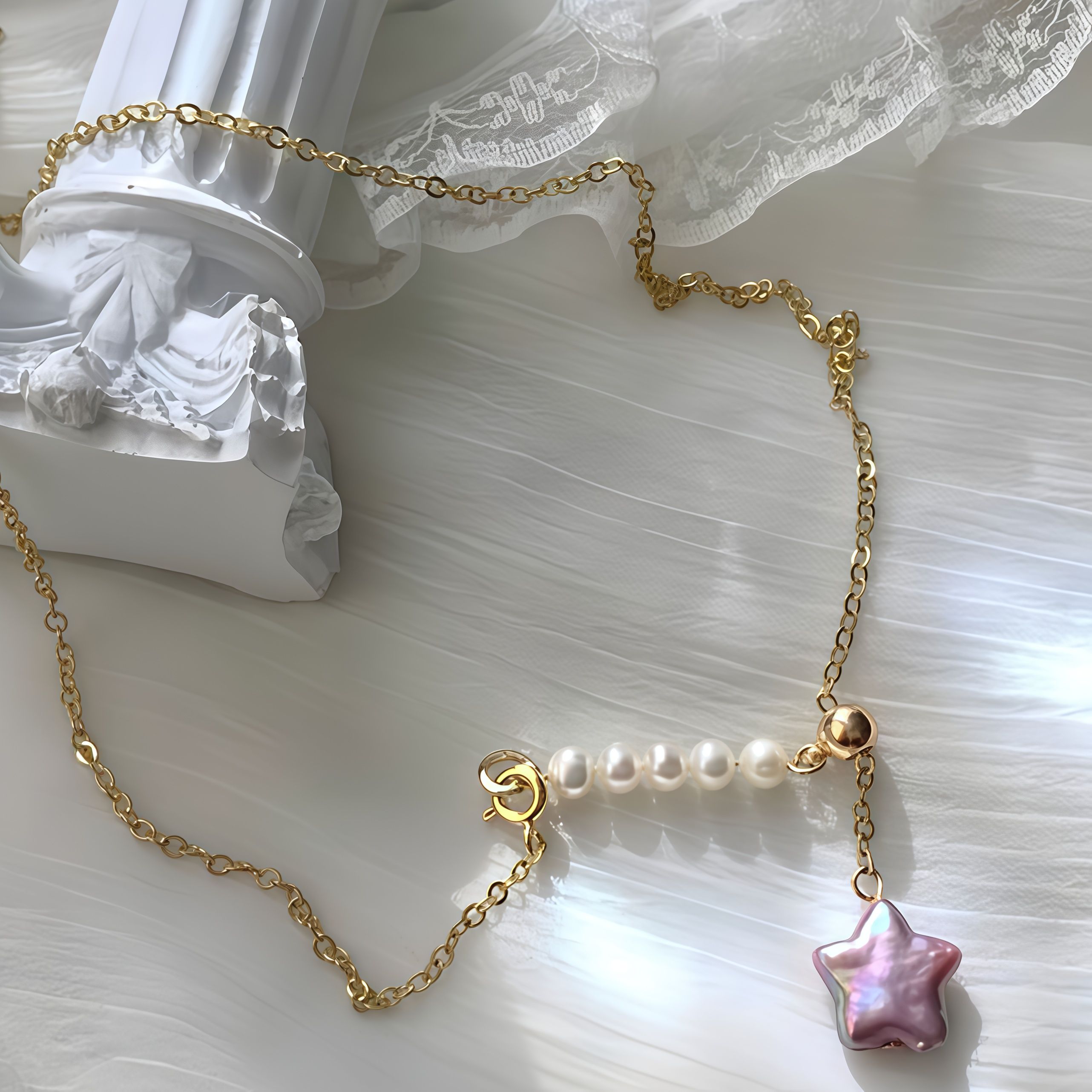
-
Shine: This is the most crucial attribute. A high-quality star pearl will have a crisp, bright reflection. Look for a deep glow that seems to come from inside. If the surface looks dull, chalky, or flat, the nacre is likely thin.
-
Surface Quality: Make sure it has a clean and smooth surface. Because pearls are natural gems, minor flaws are expected. But the pearl needs to be mostly clear of obvious cracks, chips, or bumps that can distract from its beauty.
-
Shape Definition: A first-rate star pearl will show five sharp points and clean lines. A shape that looks soft, rounded, or "blobby" often indicates thin nacre or problems encountered during the growth process.
-
Layer Thickness: Though you cannot see the nucleus directly, high shine and a well-defined shape are strong signs of thick nacre. A pearl with thin nacre may show a "blinking" effect, where you can almost see the dark nucleus through the thin outer layer.
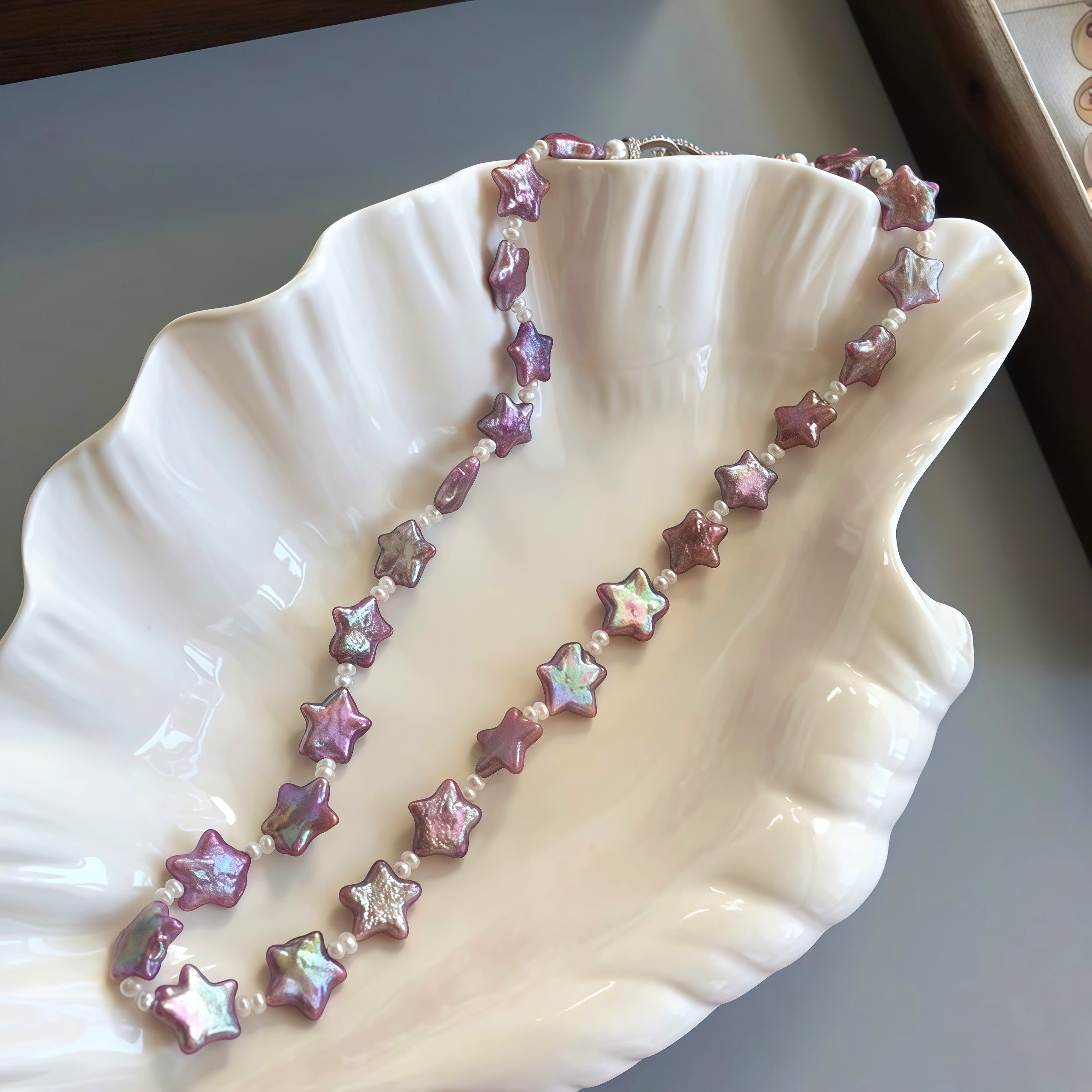
At Alya Pearls, we maintain rigorous standards for all the gems we select. Our system guarantees that only the best pearls get into our creations. The Star Pearl Collection is the direct result of our ethical and high-quality cultivation method. This collection features 5A-grade freshwater star-shaped pearls, all grown with a mother-of-pearl nucleus. Each pearl demonstrates the exceptional shine and sharp form that arise from a process that is respectful of the gem and its environment, making them a perfect choice for a unique piece of jewelry.
Common Questions
1. Are star pearls real pearls?
Yes, star pearls are 100% real cultured freshwater pearls. They are not plastic or carved from a shell after harvesting. Their unique shape is guided by a nucleus during the natural growth process inside a living freshwater mussel.
2. Why are some star pearls more expensive than others?
The price of a star pearl is based on its quality. Key factors include shine (glow), surface smoothness, and how precise the star shape is. Also, the growing method matters. Pearls grown using higher-quality, ethical cores like mother-of-pearl cost more to produce but also show better beauty and strength.
3. Do star pearls occur in nature?
No. While pearls do form naturally without human help, a perfectly even star shape is not a natural event. Star pearls are a type of "cultured" pearl, which means a pearl farmer starts their growth with a specific shape in mind.
4. How can I tell if a star pearl is good quality?
Look for the four key signs: high shine (a sharp, bright reflection), a clean surface, well-defined points on the star, and a solid feel that suggests thick nacre. Avoid pearls that look dull, chalky, or have a thin coating over the nucleus.
5. What is the difference between a star pearl and a baroque pearl?
The main difference is purpose. A star pearl's shape is made on purpose by a pre-formed star-shaped nucleus. A baroque pearl is celebrated for its organic, irregular, and one-of-a-kind shape, which is typically not guided by a specific geometric mold.


Leave a comment
This site is protected by hCaptcha and the hCaptcha Privacy Policy and Terms of Service apply.