
Pearl Science Laboratory vs GIA: How It Compares to GIA, GUILD, and Other Pearl Labs
Alya pearls offers certificate from GIA/GUILD and NGTC for your pearl jewelry, send email to get yours.
If you are shopping for high-quality pearls, you might see the letters "PSL" on a listing. This is especially true for Japanese Akoya pearl necklace options. This often leads to questions: Is the Pearl Science Laboratory real? How does a PSL pearl certificate differ from a GIA pearl report or a GUILD pearl report? This 2026 guide explains everything you need to know. It will help you make a smart purchase.
Key Takeaways
- The Pearl Science Laboratory (PSL) is a Japanese lab that focuses only on pearls. This makes it a leading expert for high-end Akoya pearls.
- A pearl certification from any major lab verifies a pearl's identity, type, and any treatments. These labs include PSL, GIA, and GUILD. Some reports also include detailed pearl grading.
- Labs use different systems. A PSL pearl report uses unique terms like "Teri" for luster. A GIA pearl report uses its 7 Pearl Value Factors.
- In the PSL vs GIA debate, PSL is the specialist for top-tier Japanese Akoya. GIA offers broader global recognition for all pearl types.
- A GUILD pearl grading report is another trusted option. It is known for clear, modern reports that are easy for buyers to understand.
Quick Answer: Understanding Pearl Labs
- What is PSL? The Pearl Science Laboratory (PSL) is a respected gem lab in Japan. It specializes only in pearl research, identification, and pearl grading.
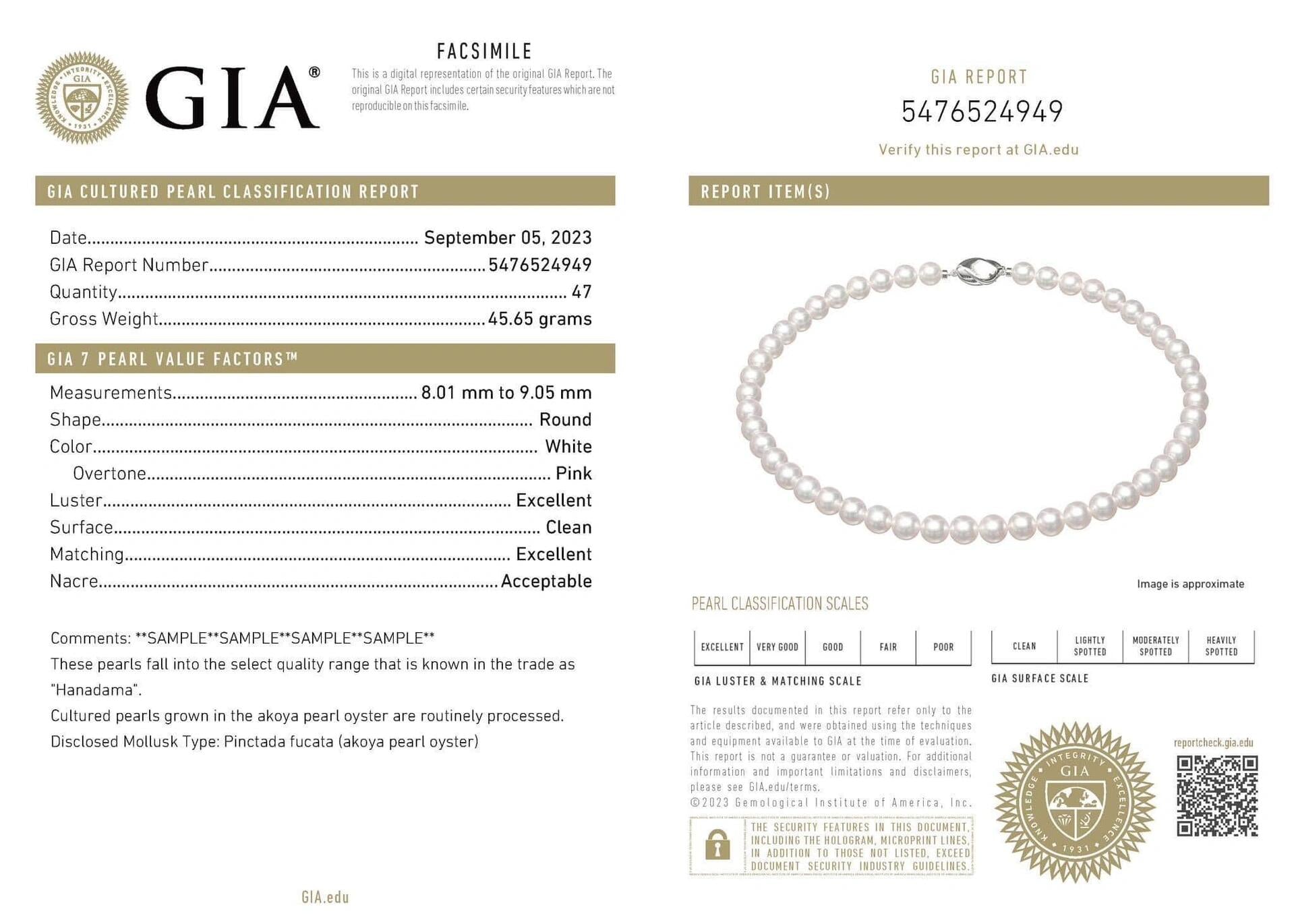
- What a Pearl Report Covers: A pearl certification report verifies if a pearl is natural or cultured. It shows its type (like Akoya) and any detectable treatments. Depending on the report, it may also analyze quality.
- Why Reports Differ: Labs like PSL, GIA, and GUILD have their own grading systems. They use different terms and equipment. This means their reports can look different and focus on different quality factors.
What Is Pearl Science Laboratory (PSL)?
A Japanese Institution for Pearls
The Pearl Science Laboratory is an organization founded in Japan. It has a single focus: pearls. It was created to conduct scientific research. It also provides services like identification and pearl grading for the jewelry trade.
According to its official materials, the Pearl Science Laboratory develops its own special equipment for pearl analysis. This dedication to one gem type makes it a highly specialized authority.
Its Role in the Pearl Trade
A PSL pearl report is used by pearl farmers, wholesalers, and retailers. It provides an independent, third-party analysis. This analysis covers a pearl's or a pearl necklace's qualities.
While it is most famous in Japan, its reports are recognized by pearl experts around the world. For the most current information on their services, it is always best to verify on PSL's official materials.

What Does a Pearl Lab Report Actually Tell You?
A pearl certification report can seem technical. But it answers several key questions. In simple terms, here is what a report usually covers:
- Pearl Identity: Confirms the item is a real pearl. It is not a plastic or glass imitation.
- Natural vs. Cultured: Determines if the pearl formed in the wild (very rare). Or if it was grown on a farm with human help (most pearls today).
- Environment: Identifies if it is a saltwater or freshwater pearl.
- Mollusk/Species: Sometimes, it can name the oyster species. For example, Pinctada fucata for Akoya pearls.
- Treatments: Discloses common treatments like bleaching, dyeing, or other enhancements that are detectable.
- Quality & Grading Fields: This is where labs differ the most. It can include measurements for:
- Luster (Teri): How sharp and bright the reflections are on the pearl's surface.
- Nacre Thickness: The thickness of the pearl's outer layers. This relates to its durability and glow.
- Surface Imperfections: Any spots or blemishes on the surface.
- Shape: How round or symmetrical the pearl is.
- Color: The main body color and any secondary overtones.
A Critical Caution
A certificate is not a price tag. It is an expert analysis of a pearl's identity and quality. The final price of a pearl necklace is set by the seller. This is based on this report, market trends, and brand value.
Why PSL Matters in Japanese Pearls (especially Akoya)
When shopping for a high-end Japanese Akoya pearl necklace, you will often see the name Pearl Science Laboratory. Its Japanese pearl certification is often linked to the very best Akoya pearls.
PSL is widely recognized in Japanese pearl circles. It creates the quality standards for "Hanadama" and "Tennyo" pearls. These terms represent the highest grades of Akoya pearls. They are known for their exceptional luster and clean surfaces. Because of this, its reports are commonly seen with top-grade Akoya pearl necklaces. As specialty retailers often provide detailed explanations, a PSL pearl certificate gives buyers confidence in the quality of these special pearls.
Below is a video showing the beautiful luster and quality typical of Hanadama pearls. This is the grade that PSL is famous for certifying.

Alya pearls offers certificate from GIA/GUILD and NGTC for your pearl jewelry, send email to get yours.
PSL vs GIA (Pearl Science Laboratory vs GIA)
The debate of PSL vs GIA is common among buyers. Both are respected labs, but they have different strengths. Understanding the Pearl Science Laboratory vs GIA comparison helps you choose the right report for your needs.
Scope and Specialization
PSL: A specialist lab. Its entire focus is on pearls. This allows for deep research and equipment designed only for pearl grading and analysis.
GIA (Gemological Institute of America): A global authority on all gems. This includes diamonds, colored stones, and pearls. Its scope is much wider.
Report Focus and Terminology
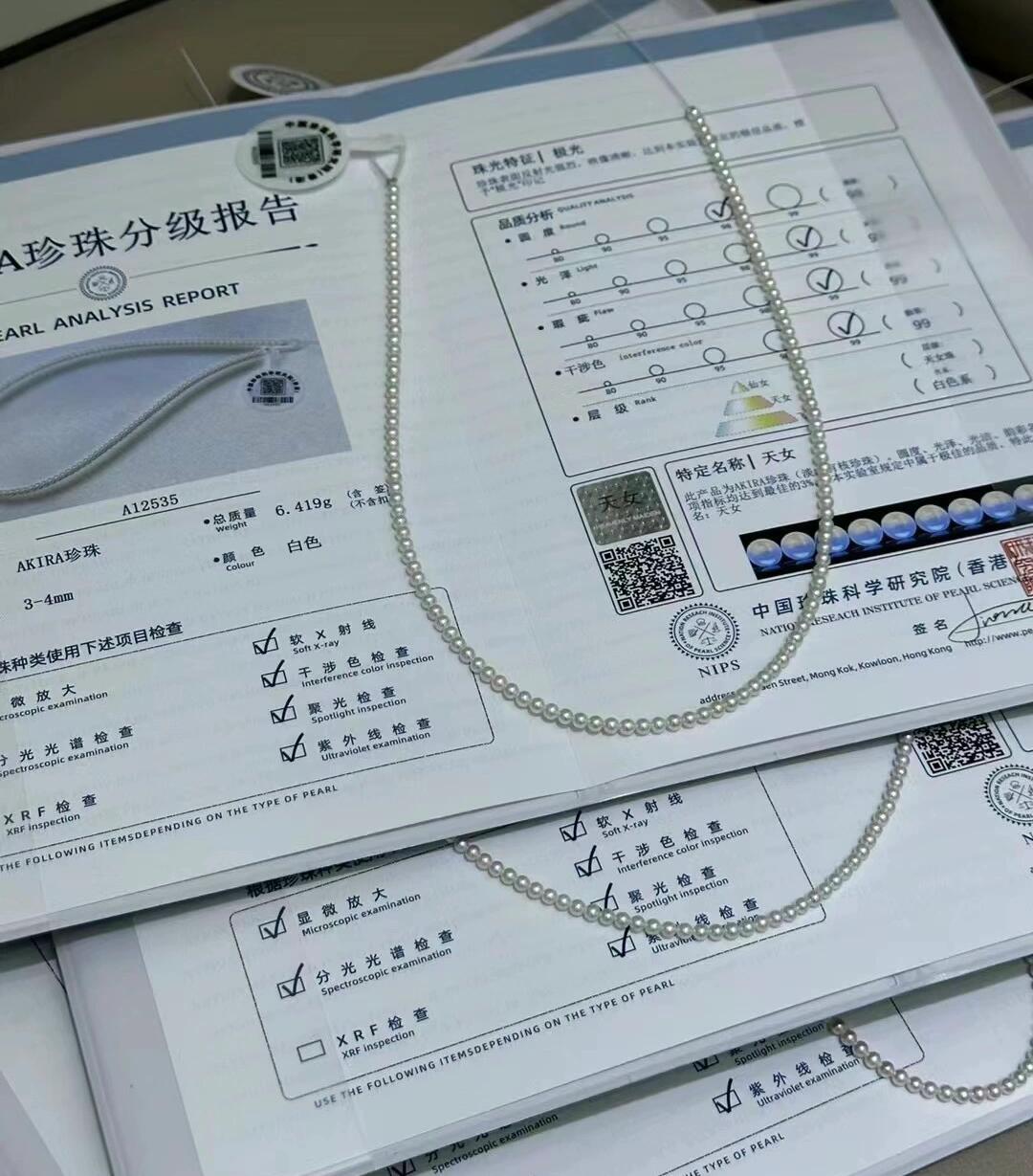
PSL: Offers detailed reports with its own terms. For example, "TERI Analysis" for luster. Its special names, "Aurora Hanadama" and "Aurora Tennyo," are unique to a PSL pearl report.
GIA: The GIA pearl report uses its "7 Pearl Value Factors." These are Luster, Surface, Shape, Color, Nacre, Matching, and Size. GIA's system is designed to be consistent for all types of pearls.
Global Recognition and Buyer Perception
PSL: Holds huge authority in the Japanese market and among serious pearl collectors. A buyer seeking the best Akoya pearls often looks for a PSL pearl certificate.
GIA: Has unmatched global brand recognition. A buyer in the U.S. or Europe is likely more familiar with GIA. This makes a GIA pearl report a strong symbol of trust.

Best-Fit Scenarios
| Feature | Pearl Science Laboratory (PSL) | GIA (Gemological Institute of America) |
|---|---|---|
| Primary Focus | Pearls only | All gemstones (diamonds, colored stones, pearls) |
| Key Market | Japan, high-end pearl specialists | Global (especially North America & Europe) |
| Grading System | Proprietary system, "TERI Analysis," "Aurora" effects | GIA 7 Pearl Value Factors |
| Famous For | "Hanadama" & "Tennyo" special quality names for Akoya | Unmatched global brand recognition, diamond grading |
| Best For | Top-tier Japanese Akoya pearls | All pearl types, broad international trust |
PSL vs GUILD
Another comparison buyers often make is PSL vs GUILD. Both are important labs in the world of pearl certification.
Introducing GUILD Gem Lab
GUILD Gem Lab is a respected U.S.-based laboratory. It is known for its work with colored gemstones and pearls. GUILD is recognized for its clear reports and practical, market-based analysis.
Report Presentation and Focus
A key difference is the report style. A GUILD pearl grading report is often praised for its clean design and simple language. This makes it very user-friendly for buyers.
When holding a PSL pearl certificate, you might see unique graphs and Japanese characters detailing the "Teri" value. In contrast, a GUILD pearl report presents its findings with clear headlines and grades. These are easy for an English-speaking buyer to understand. The GIA vs GUILD dynamic is also relevant. Both are major American labs that provide trusted reports.
Market Perception and Use Cases
PSL: The top choice for the specific, high-end Japanese Akoya market. Its special designations are the standard there.
GUILD: A strong option for a wide variety of pearls. This includes Freshwater and South Sea, especially for the American market. A GUILD pearl report is seen as a modern and reliable choice.
FAQ: Your Pearl Certification Questions Answered
1. Is a PSL certificate better than a GIA pearl report?
Neither is "better"; they serve different needs. A PSL pearl certificate is a specialist's document. It is perfect for top-tier Akoya pearls. A GIA pearl report offers broad, global recognition. The best report depends on the pearl type and what is most important to you as a buyer.
2. What is "Hanadama" and does it only come from the Pearl Science Laboratory?
"Hanadama" means "flower pearl." It is a term for the highest quality Akoya pearls. While the term existed before, the Pearl Science Laboratory (PSL) created the first formal, scientific standard for it. Today, other labs might use the term. But a PSL-certified Hanadama is considered the original benchmark.
3. Does a pearl necklace need a certificate to be high quality?
No. Many beautiful, high-quality pearl necklaces are sold without a formal lab report. However, for a major purchase, a pearl certification from a trusted lab provides important third-party proof. These labs include PSL, GIA, or GUILD. The proof shows the pearl's identity and quality.
4. Can I send my own pearls to PSL for a report?
Generally, labs like the Pearl Science Laboratory work with businesses in the jewelry trade, not individuals. If you want a report for your pearls, you should work with a trusted jeweler. They can submit the item on your behalf. Always check the lab's official policies.
5. Why are there so many different labs for pearl grading?
Unlike the diamond industry, which is mostly standardized by GIA, the world of pearl grading is more diverse. Different labs developed their own systems to serve specific markets. This is why you see specialized Japanese pearl certification from PSL alongside broader reports from GIA and GUILD.


2 comments
I hope that your company can help acquire a PSL certification for a few necklaces. They are specially cultivated pearls; one is Australian, and the other is Tahitian, Polynesian location. PSL is the only lab that can correctly identify the pearls.
Could your company facilitate my need?
"razzmatazz jewelry" contact Lin Moser
I’m in need of a jeweler that can aquire a PSL certificate on some necklaces I have, not to buy, in the US.
Lin Moser
Leave a comment
This site is protected by hCaptcha and the hCaptcha Privacy Policy and Terms of Service apply.