
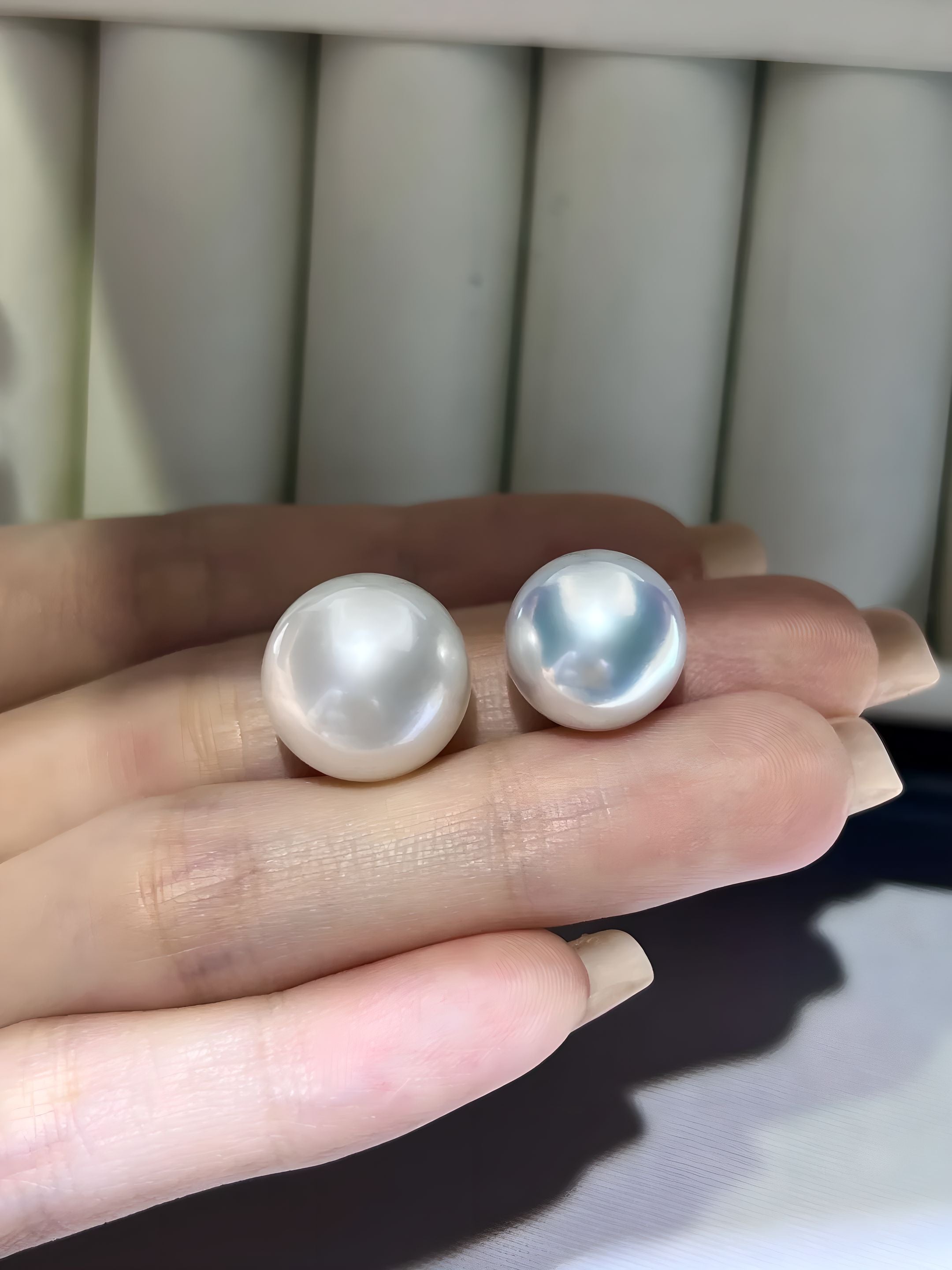
Freshwater Pearl vs Saltwater: Complete 2026 Guide
Freshwater vs. Saltwater Pearls: Discovering the Freshwater Pearl's Distinctive Beauty
Your Quick Guide to the World of Pearls

If you're planning to purchase pearl jewelry in 2026, it's good to know the two main types: freshwater and saltwater. Both are very nice. However, they have fundamental differences that influence their appearance, touch, and price. Understanding these differences will allow you to choose the ideal piece for your collection.
A Quick Summary
- Origin: A freshwater pearl is formed in a lake or river mussel, while a saltwater pearl grows in oceanic oysters.
- Shape: The biggest contrast is the form. The freshwater pearl industry is the leader in the manufacture of unusual shapes, including baroque and star-shaped pearls. Conversely, saltwater pearls are most valued for their traditional round shape.
- Durability & Cost: Solid nacre composition makes freshwater pearls durable. They are less expensive because farms are more efficient at producing them.
- Value: Both are authentic and valuable gemstones. The rarity and the mirror-like shine are the two features of the saltwater pearl's value. The strength, numerous charming shapes, and affordability of freshwater pearls are the reasons behind their value.
What Is a Freshwater Pearl?
A freshwater pearl is a natural gemstone found inside a mussel. It generally lives in a lake, river, or pond. These types of pearls have a wide spectrum of rainbow colors and are shaped - they are less expensive than other pearls. Today, they are the most adaptable types of pearls available in the market.
Saltwater Pearl-What Is It?
A saltwater pearl is a treasure piece that is generated inside an oyster from the ocean. This species includes well-known types such as the Japanese Akoya pearl, the dark Tahitian pearl, and the big South Sea pearl. For this reason, many see them as the traditional choice for high-end jewelry. They also have a brand of popular luminous light.
The Major Difference We Will Discuss
This article will compare the two types of pearls. We'll look at all the important factors to a shopper. The most important of all we will consider is the main advantage of the freshwater pearl. That is its amazing variety of natural and man-made shapes. This diversity creates unique design options. It is rare to find such options with saltwater pearls.
Freshwater Pearls vs. Saltwater Pearls: Podium Race
Both varieties of pearls can indeed create stunning jewelry, however, their bodily make-up, as well as the assets they own, exhibit vast differences. For buyers, these details affect everything. They impact how a freshwater pearl necklace looks and its final price. According to experts, Freshwater pearls refer to pearls grown in non-saline environments. This is the main difference from their saltwater cousins.

The table below presents the principal differentials.
| Feature | Freshwater Pearl | Saltwater Pearl |
|---|---|---|
| Mollusk | Mussel | Oyster |
| Origin | Lakes, rivers, ponds | Oceans, seas, bays |
| Shape | Wide variety (round, off-round, baroque, shaped) | Typically prized for roundness |
| Luster | Soft, glowing luster | Sharp, mirror-like luster (especially Akoya) |
| Nacre | Typically 100% solid nacre, very durable | Thinner nacre layer over a bead nucleus |
| Size | Wide range, from 2mm to 15mm+ | Varies by type (Akoya are smaller, South Sea are larger) |
| Color | Wide natural palette (white, pink, lavender, peach) | More limited natural colors per type (e.g., white, cream, silver for Akoya) |
| Production | One mussel can produce multiple pearls at once | One oyster typically produces one pearl at a time |
| Price | More accessible and budget-friendly | Generally more expensive and considered more precious |
The Chic of Unusual Shapes: What Distinguishes a Freshwater Pearl From Others
Beyond the basic differences, the story of shape is what truly sets the freshwater pearl apart. For centuries, a perfect round pearl has been synonymous with luxury. However, the contemporary jewelry community has become enamored with organic and unusual shapes. This is the area where freshwater pearls shine.
Every Shape Imaginable: The Baroque and Shaped Freshwater Pearl Revolution
Classic round pearls are always in fashion. However, the market for freshwater pearls has wholeheartedly supported the notion of irregular shapes. It has added a whole new dimension of innovative and personalized jewelry designs.
The most classic case is the baroque pearls. These are not-so-round but beautifully irregularly shaped pearls. Each is a unique natural artwork.
Besides baroque, the freshwater pearl growers have also acquired the knowledge of producing other shapes of pearls. These are the kinds that are in specific, artistic forms. Just to name a few: coin-shaped and stick-shaped pearls. Even star-shaped pearls are in the mix.
In today's jewelry market, this incredible variety of unique shapes is almost only found with the freshwater pearl. This gives the customers and designers the possibility of selecting truly unique pieces.

Saltwater Baroque's Story: Why Round Prevailed
You might be curious why these artsy shapes don't flourish in the saltwater pearl area. Years ago, some tried forming baroque pearls in saltwater farming.
However, saltwater farming is a whole other ballgame. Saltwater pearl yield is lower. An oyster only generates one pearl at a time. It also operates on a larger scale and requires greater care.
Since saltwater pearls are considered more valuable and hard to get, they are often the focus of farms and buyers. For generations, the "perfectly round" pearl has been the most valuable shape. In order to utilize their resources wisely, saltwater producers focused on growing round pearls. This met the demands of high-end markets.
Consequently, many saltwater farmers cut down on the production of baroque and other shapes. They mainly preferred round pearls.
Therefore, in the modern day and age, these free and wild forms are principally carried by freshwater pearls. It is the highly adaptive and innovative zone of freshwater farming that brings to the table artistry and invention in pearl production.
Key Features of Freshwater Pearl at a Glance
In summary, a freshwater pearl is a combination of beauty, power, and individuality that you cannot find anywhere else.
Here are the main features:
- Solid Nacre Material: A freshwater pearl is nearly all solid nacre. Nacre is the mother-of-pearl secretions that the mollusk makes. It is hardy and can survive daily wear and tear.
- Softer, Glowing Luster: Unlike the sharp, mirror-like reflection, these pearls have a soft, beautiful sheen. They glow as if they are lit from within.
- Rich, Natural Color Palette: They come in a lovely rainbow of colors - soft whites, pinks, lavenders, and peaches. These are all natural and need no treatment.
- Unique Shape Diversity (A Freshwater Specialty): This is the most exciting feature. The freshwater market is the main source for:
- Baroque pearls: Unique, organically shaped gems that make every piece of jewelry special.
- Shaped pearls: Grown into fascinating forms like coins, hearts, and even star-shaped pearls. These offer endless creative possibilities.

How to Choose the Perfect Freshwater Pearl Necklace
Choosing a freshwater pearl necklace in 2026 is an exciting experience. With so many styles available, you can find a piece that perfectly matches your taste. As a pearl expert, here are the key things I advise shoppers to look for.
What to Look For: Luster, Surface, and Style
When you're holding a piece of pearl jewelry, pay attention to these three factors.
- Luster: This is the most important factor. Look for a bright, healthy glow that appears to come from deep inside the pearl. A high-quality freshwater pearl will reflect light beautifully. This is true even if its luster is softer than a saltwater pearl's.
- Surface: Pearls are natural gems. So tiny flaws are normal and part of their character. For a good-quality piece, look for a surface that is clean and smooth for its price point.
- Shape: With a freshwater pearl necklace, shape is a matter of personal style. Do you love the timeless elegance of a classic round strand? Or do you prefer the artistic, modern feel of a baroque or coin pearl necklace? There is no wrong answer.
From Timeless Strands to Modern Designs
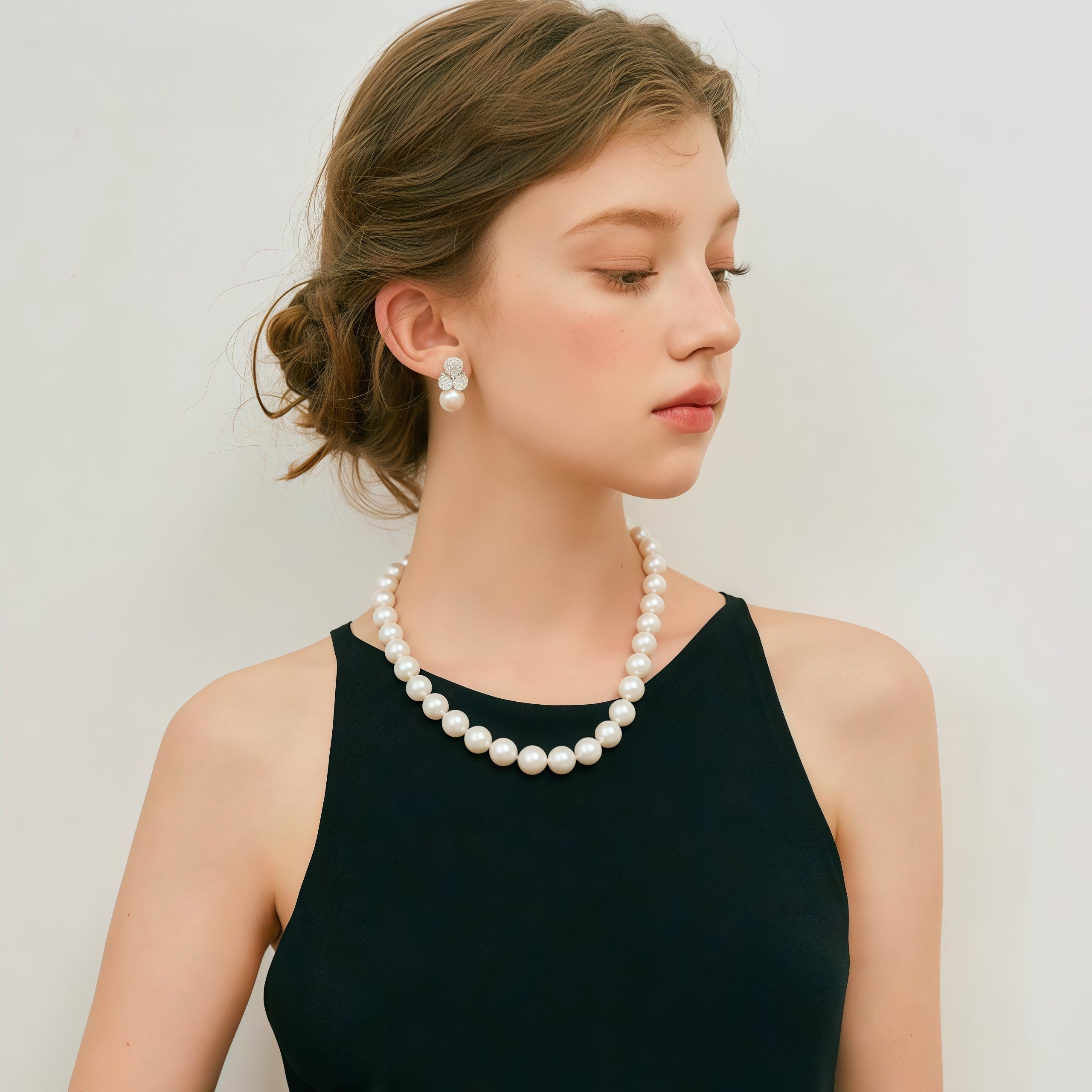
The flexibility of the freshwater pearl is one of its greatest strengths. The classic single-strand freshwater pearl necklace is a staple. It belongs in every jewelry box. It is perfect for both work settings and special occasions.
But modern designs show just how adaptable these gems are. You can find freshwater pearls set on leather cords. They can be mixed with gold or silver chains. They can be featured as a single, stunning pendant. Many specialist retailers showcase this amazing range. For example, The Freshwater Pearl Company shows this variety.
Because they cost less, you can often own several different styles of freshwater pearl jewelry. This allows you to have a classic strand for formal events. You can also have a modern baroque necklace for everyday flair.
Frequently Asked Questions (FAQ)
Are freshwater pearls real pearls?
Yes. A freshwater pearl is a 100% real, genuine pearl. They are "cultured" pearls. This means they are grown in a real mussel with human help to start the process. This is the same method used for nearly all saltwater pearls on the market today. The term "real" applies to both.
Is a freshwater pearl necklace a good investment?
Jewelry is mainly an investment in your personal style. But a freshwater pearl necklace offers fantastic value. Because they are made of solid nacre, they are very strong. They can last a lifetime with proper care. Their timeless beauty and low price make them a smart, long-lasting addition to any collection.
Why are freshwater pearls less expensive than saltwater pearls?
The price difference comes down to the farming process. A single freshwater mussel can make dozens of pearls at once. In contrast, a saltwater oyster usually makes only one or two pearls at a time. This much higher yield makes freshwater growing more efficient. This leads to a lower price for the final customer.
How do I care for my freshwater pearl jewelry?
Caring for your pearls is simple. Gently wipe them with a soft, damp cloth after you wear them. This removes any body oils or residue. To prevent scratches, store them in a soft pouch. Keep them separate from other jewelry. A good rule is "last on, first off." Put your pearls on after applying makeup, perfume, or hairspray.
Can you find a perfectly round freshwater pearl?
Yes, but they are the rarest and most valuable shape for a freshwater pearl. Perfectly round gems represent only a tiny percentage of each harvest. Because of their rarity, they cost much more than other freshwater shapes. They are often compared in quality to classic saltwater Akoya pearls.


Leave a comment
This site is protected by hCaptcha and the hCaptcha Privacy Policy and Terms of Service apply.