
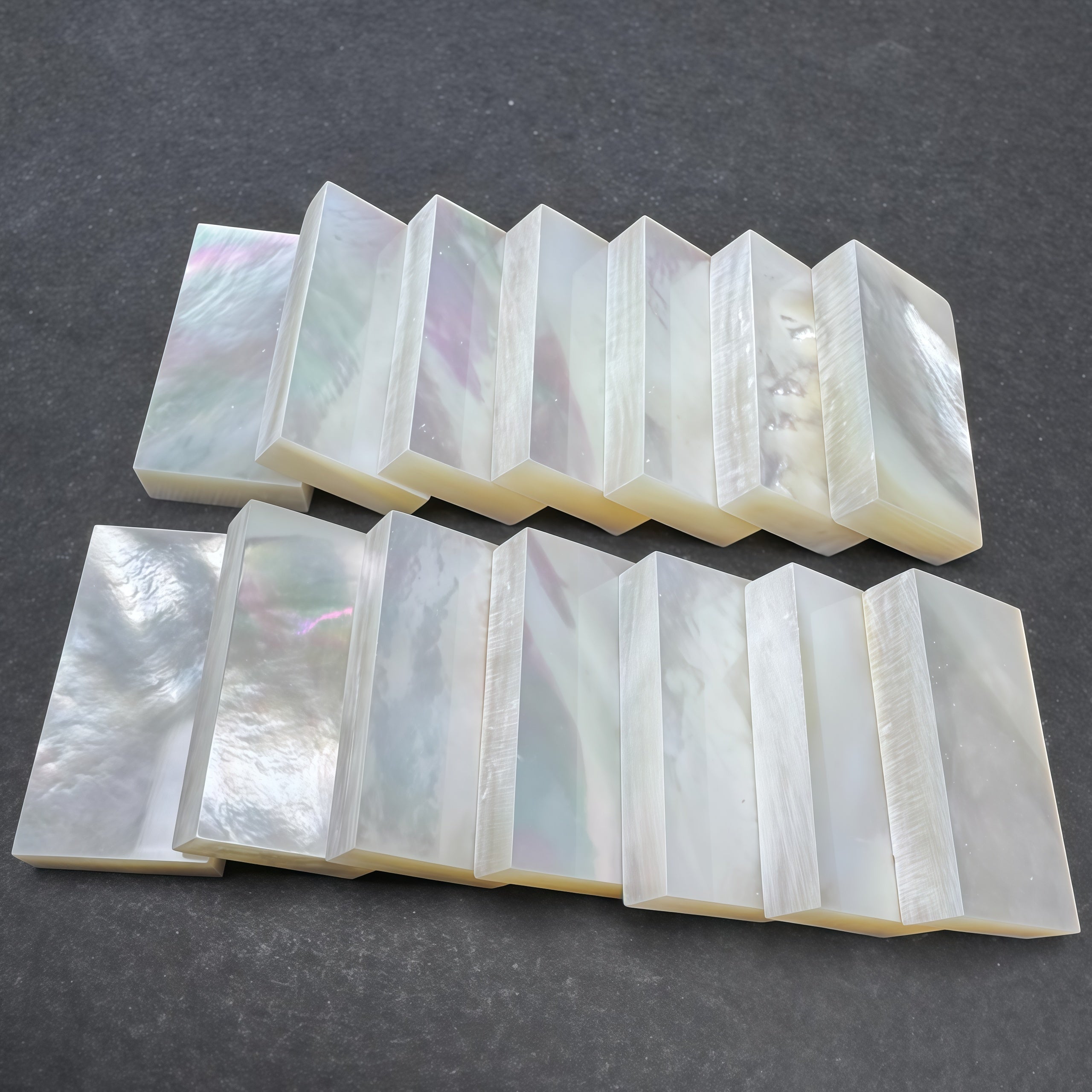
Mother of Pearl Jewelry vs Pearl: Complete Guide 2026
Mother of Pearl vs. Pearl: A Jeweler's Guide to the Real Difference
Our team is quite experienced with pearl jewelry making with 20 years of working at Alya Pearls.
We are frequently confronted with queries that question: "Can mother of pearl be called a pearl too?" We consider that it's very interesting to ask. These two treasures are formed by the same marine creatures.
They both glitter owing to the fact that nacre, which is the main component, makes both of them. Nevertheless, these are two utterly different materials.

Mother of pearl is the shiny layer covering the interior of the shell.
A pearl, on the other hand, is an independent stone, which develops in the oceanic creature. This manuscript will allow you to comprehend the differences between them clearer. As a result, you will be able to decide properly in 2026.
Important Points
- Different Things: Mother of pearl is the inside layer of a shell. A pearl is a round or unusual-shaped gem that is formed inside the body of the animal.
- Structure: Mother of pearl is a protective element that is constructed over a long time. A pearl is formed around a foreign object that irritates the animal. It is layered with nacre.
- Contour and Application: Mother of pearl sheets can be cut in shapes such as large ones, planes, or any other type you want, making it very flexible. Inlays and fashion jewelry are its most common applications. Pearls are shaped by nature. They are often used as primary gemstones in high-quality jewelry.
- Cost: Pearls are considerably rarer and therefore, more valuable than mother of pearl. On the other hand, pieces of mother of pearl are more frequently seen and therefore are cheaper.
New Introduction: Two Treasures, Two Narratives
A vast majority of people have a high love for the luster of pearls and mother of pearl ornaments. They are both aquatic species made from shellfish and mussels. They achieve their shine through the use of nacre. Actually, Mother of Pearl (nacre) is an organic mineral that forms the inner surface of the shell.
Pearl in a sense is directly parallel to mother of pearl. A mother pearl has a pearl in it, making the pearl a kind of treasure inside it. The two things are similar but their stories are impressive and entirely different. Their history, structure, and cost speak of two separate realities. Knowing more about the differences between these two things will help you have a better view about both of them. The present paper will discuss the methods of their formation, their external appearance, and their worth. This will enable you to determine which one is more suitable for you.
What is Mother of Pearl?
Mother of pearl is another term for nacre. It is the thick, shiny material which embeds the inner surfaces of a shell, thus providing a barrier to the soft body of the animal from parasites and foreign bodies. This layer is what gives the inside of an oyster or abalone shell that amazing, cloud-like effect.

Since it is part of the shell, it can be obtained in large slabs. Artisans are able to saw, fashion, and buff this material into various shapes. It can be as flat as a watch face. It can also be set in a curved way for a pendant. It can be shaped in a specific way by carving it. The mother of pearl's flexibility is due to the fact that it can be used in various applications.
Mother of pearl is generally utilized for:
- The inlays of jewelry pieces like pendants, earrings, and rings
- Decorative and watch dials
- The exclusive buttons featured on high-end clothing items
- The utensil and decorative box handle
- Different types of fashion accessories
The Basic Contrasts: A Comparison
To deeply comprehend the difference, we can put them side by side. As jewelers with a "From Pearl Farm to Finished Jewelry" approach we evaluate these materials based on clearly defined standards. This table gives an overview of the main contrasts between mother pearl and a natural pearl.
| Feature | Mother of Pearl | Genuine Pearl |
|---|---|---|
| Origin | The inner lining of a shell. | A separate gem formed within the soft tissue of an animal. |
| Formation | An animal naturally made it by secreting the material that protects its inner surfaces. | It is the process of an irritant being covered by thousands of layers of nacre. |
| Shape & Form | Shell; can be flat, big, or carved into various shapes. | Mostly round or baroque (irregular); its dish is natural and not cut. |
| Luster & Orient | Even though it is broad and wavy, it gives a little bit of subtle shine on a surface. | A pearl that has a moderately deep and bright luster that appears to come from the inner part of the pearl. |
| Durability (Mohs) | 2.5 - 4.5. The pieces are generally soft but those that are larger and thicker are more durable. | 2.5 - 4.5. A gem that is so delicate it requires special care to not get scratched. |
| Value & Rarity | Common and much cheaper. It is valued for the skill of the artist. | Very rare and highly coveted. Price is determined by the size, shape, luster, and surface. |
| Primary Use | Inlay, decoration, and fashion jewelry are often worn with. | A gemstone worn with classic and modern jewelry. |

Our business model "From Pearl Farm to Finished Jewelry" is the demonstration of our fascination for natural gems. We are engaged in every process at every state. It is our commitment to the original quality and colors that we protect them from the harvest to the final design steps. This is the reason why we have successfully led over 10,000 customers. Our custom orders exceed 200 with a 100% positive review rate. We see the gem itself as the magic ingredient.
How to Choose: Which Nacre Treasure is Right for You?
Choosing between mother of pearl and a genuine pearl depends on your personal style, budget, and what you want in jewelry. Both have their place.
Choose Mother of Pearl Jewelry if:
- You want a beautiful, fashionable, and affordable accessory.
- You want a larger, bold, or uniquely shaped statement piece that might cost too much with a real pearl.
- You appreciate detailed inlay work in jewelry, watches, or other decorative items.
- You want a piece with a soft, gentle shimmer rather than a deep luster.
Opt for Authentic Pearl Jewelry when:
- You see it as an investment in a piece of fine jewelry that will always be in fashion.
- You hold the value of natural beauty, the way of formation, and the fantastic shimmer that a real pearl can give.
- You want a piece that has a lifetime value to be given to your grandchildren.
- You prefer a single gemstone that is a symbol of style and class.
For those who look for the true piece of history that is duplexed with classic elegance, the Alya's - Classic Pearl Necklace will exactly meet your needs. This is the necklace we have always suggested when someone asks for a basic, foundational piece of fine jewelry. It is a move towards the art of enduring fashion will be preserved for a long time. It's appropriate to use it when you want to make a special event or even more just to express your own style.
Protecting the Shine: Care and Management
Both genuine pearls and mother of pearl are organic stones. This means they are generally softer and more delicate than other gemstones. Therefore, it is essential to take care of them properly to ensure their attractive appearance over time.

Cleaning Mother of Pearl
Mother of pearl is a natural product, which is easily influenced by chemicals and can be scratched.
- After wearing, clean off the dirt by using a soft and minimally damp cloth. Steer clear of strong soaps.
- Do not expose it to perfumes, hairspray, and household cleaners. These substances can take away the shine from its surface.
- As per the recommendations by specialists in mother of pearl care, it's advisable to keep it in a separate, soft pouch. This way, it canavoid the other jewelry pieces from scratching it.
Pearl Care (The Alya Pearls Method)
Based on what we have learned, some habits are enough to make a pearl's shiny look stay like this for a lifetime.
- Observe the "last on, first off" rule. Wear your pearl after applying makeup and fragrance. Remove them before anything else.
- Use a soft cloth to gently wipe your pearls after each wear. This removes body oils and other residues.
- Lay them flat and keep them separate from hard jewelry. A fabric-lined box or a soft pouch is perfect. Never store pearls in a plastic bag as they cannot breathe.
Conclusion: The Eternal Charm of Nacre
Jewelry that has mother of pearl and pearls is more than the jewelry itself. They spotlight a direct relationship with the ocean that is ground to both. The mother-of-pearl is like a large palette with its colors of the wavy and soft hues. It gives a perfect touch to the decorative arts and is available for fashion jewelry that is easy to wear. The pearl, in contrast, is the isolated stone that you only manage to find at rare times. It is a beautiful, spherical shape of the most brilliant light that has been valued for a long time.
Your individual goals will dictate your choice. Are you in search of a fashion statement for the year 2026 that you will be able to wear in the years to come? Or a time-defying investment? They are both attractive. However, for those who truly appreciate their worth, the natural and unique rarity, as well as the spell that only an authentic gem can cast, the real pearl is the only one that fits perfectly in this category.
Frequently Asked Questions (FAQ)
Is mother of pearl a real pearl?
No. Mother of pearl is the shiny inner layer of a shell. A real pearl is a separate, distinct gem that grows inside the animal. They are made of the same substance (nacre) but are different objects.
What is the value of mother of pearl jewelry?
Normally, mother of pearl jewelry is less expensive in comparison to real pearl jewelry. The main reason for this is that the raw material is readily available. Instead of being rare, it is the craftsmanship and design of the pieces that make them valuable. Pieces made by the luxury brands that have intricate designs can still be valuable.
Is it possible for mother of pearl to be wet?
Though short background contact with water is normally not an issue, it is advisable not to soak mother of pearl jewelry. Prolonged exposure to water, soaps, and chemicals may haze its shiny surface. It may also gradually dissolve the glue used in setting.
Which is harder, a pearl or mother of pearl?
The Mohs scale reports both as having similar hardness (2.5-4.5). Thus, both are quite soft and vulnerable to scratches. However, as mother of pearl is a part of a solid shell structure, it can be thicker and thus, more resistant to damage than a lone small pearl. Gentle handling is necessary for both of them.
How can I tell if mother of pearl is real?
The real mother of pearl usually has a cool, slightly heavier feel compared to its size. The luster is characterized by depth and color variations that are observable as you move it. Another method to check is to hold it close to your teeth and tap it lightly. The real mother of pearl will produce a resonant "click" sound while the plastic will sound flat.


Leave a comment
This site is protected by hCaptcha and the hCaptcha Privacy Policy and Terms of Service apply.