
Written by Alya Liu — pearl farmer & jeweler.
Freshwater pearl nucleation is not simply “putting something inside a mussel.” The real secret is the tiny piece of mantle tissue used during grafting. This living tissue helps form the pearl sac, influences nacre growth, and can even affect the final color, luster, and shape of a cultured freshwater pearl.

In modern freshwater pearl farming, a technician opens the mussel carefully, holds it in place, prepares small pieces of donor mantle tissue, disinfects the tissue, and places those tiny graft pieces into the host mussel. From there, nature takes over. Over the next two to four years, the mussel slowly deposits layers of nacre, creating the pearl we eventually see in jewelry.
What Is Freshwater Pearl Nucleation?
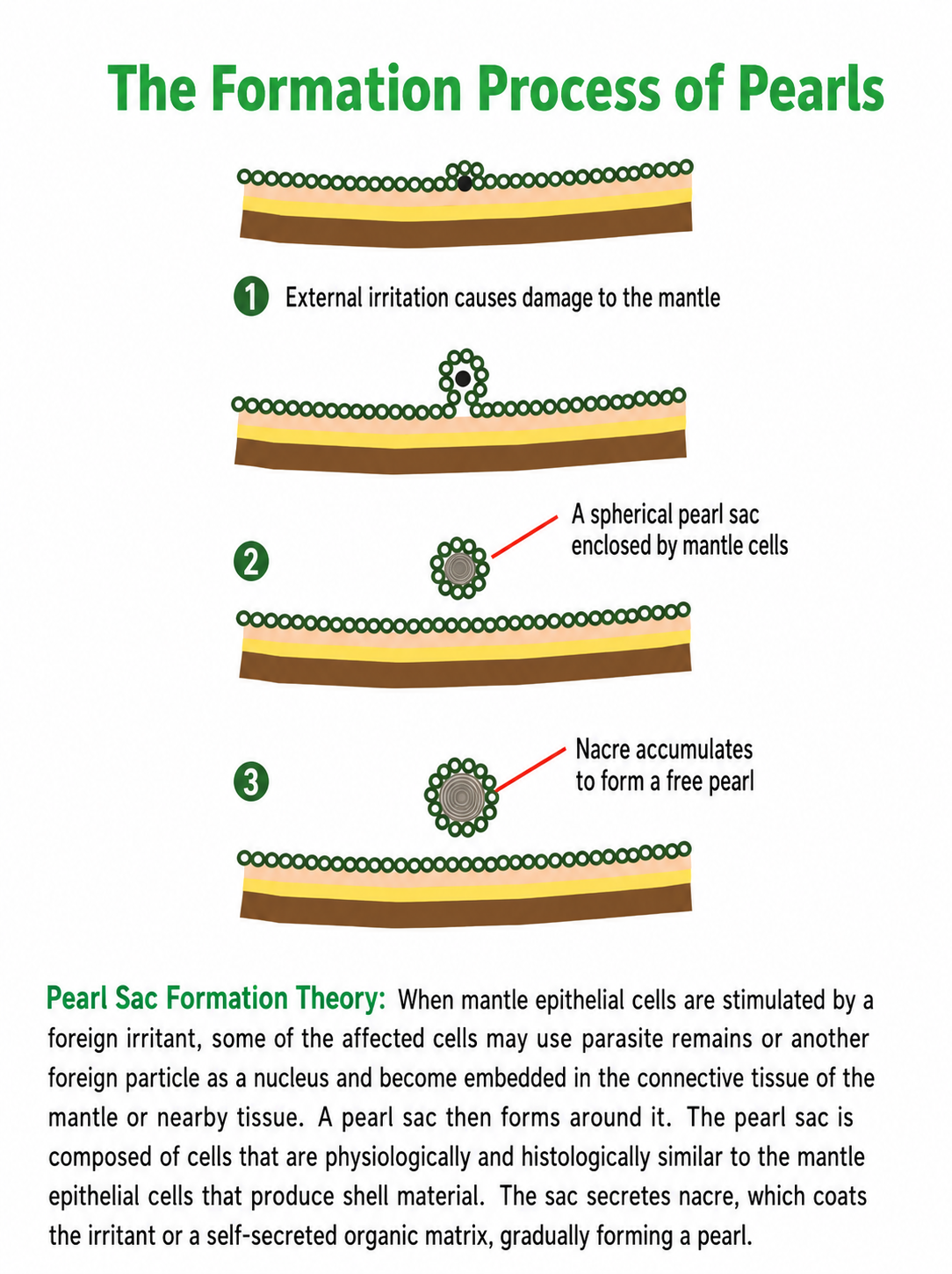
Freshwater pearl nucleation is the controlled farming process used to grow cultured freshwater pearls inside freshwater mussels. In traditional non-beaded freshwater pearl culture, a small piece of mantle tissue from a donor mussel is placed into the soft tissue of a host mussel. This tissue stimulates the formation of a pearl sac, which then secretes nacre layer by layer.

This is why many classic freshwater pearls are almost entirely nacre. Unlike bead-nucleated saltwater pearls, which usually grow nacre around a round shell bead nucleus, many traditional freshwater pearls are tissue-nucleated. The original tissue becomes the biological starting point, while the pearl itself grows as nacre builds around it over time.
From a buyer’s perspective, this matters because nacre is the body of the pearl. It affects durability, depth of luster, orient, surface quality, and long-term value. From a farmer’s perspective, nucleation is one of the most delicate stages of the entire pearl farming process. If the tissue is not prepared well, if the host mussel is stressed, or if the placement is inaccurate, the final pearl may be misshapen, dull, heavily blemished, or rejected by the mussel.

How Freshwater Pearl Grafting Works
Step 1: Opening and Holding the Mussel
The first step is opening the freshwater mussel carefully. The mussel cannot be forced open too aggressively, because stress and injury can reduce survival rate. A small holder or wedge is used to keep the shell open just enough for the technician to work.
In pearl farming, this is one of those moments where speed and gentleness matter at the same time. A skilled technician works quickly, but never roughly. The goal is to place the graft tissue without causing unnecessary damage to the host mussel.
Step 2: Cutting the Donor Mantle Tissue
Next, the technician prepares the donor tissue. In Chinese pearl farms, we often describe this as cutting the soft “skirt edge” of the mussel, but the more accurate English term is mantle tissue. This tissue is first cut into narrow strips, then trimmed and divided into very small pieces.
These tiny graft pieces are not random. The donor mussel is chosen carefully because its mantle tissue can influence the pearl’s nacre quality, luster, and color. In practical farming, we pay close attention to the donor’s shell color, nacre condition, and overall health. A good donor can help produce brighter, cleaner, more attractive pearls.
This is also why pearl color is not purely “painted by water.” The environment matters, of course, but the graft tissue plays a major role. The biological information carried by the donor mantle tissue helps guide the pearl sac as it secretes nacre. This is one reason farmers select donor mussels carefully when aiming for white, pink, lavender, peach, golden, or other freshwater pearl tones.

Step 3: Disinfection and Small Graft Preparation
After the mantle tissue is cut, it is cleaned and disinfected according to the farm’s working standard. The purpose is simple: reduce contamination and improve the chance of successful pearl sac formation.
In real farms, this stage looks small and quiet, but it decides a lot. If the tissue dries out, becomes contaminated, or is cut unevenly, the pearl may not form properly. Pearl farming often looks romantic from the outside, but inside the workshop it is extremely detailed handwork.

Step 4: Implanting the Tissue into the Host Mussel
Finally, the small graft pieces are implanted into the host mussel. For non-beaded freshwater pearls, these pieces are the starting point of pearl formation. For bead-nucleated freshwater pearls, a bead nucleus may also be used, depending on the pearl type being produced.
Once implanted, the graft tissue develops into a pearl sac. The pearl sac then secretes nacre around the center. Over time, the pearl grows layer by layer. This is why pearls are organic gems: they are not cut from rock or poured into a mold. They are grown by living animals under changing natural conditions.
Single-Pearl Mussels vs. Multi-Pearl Mussels
In freshwater pearl farming, not all mussels are used in the same way. One important distinction is between single-pearl production and multi-pearl production.
Single-Pearl Mussels: Edison Pearls and Larger Sizes
A single-pearl mussel is usually used to grow one larger pearl, often known in the market as an Edison pearl. These pearls are commonly bead-nucleated and can reach larger sizes, often around 8–15 mm. Because the mussel’s growth energy is focused on one pearl, farmers can aim for larger size, rounder shape, and stronger jewelry presence.
Edison pearls are especially popular when buyers want a bold pendant, a statement ring, or large pearl earrings. However, larger pearls require more time, more risk, and more careful selection. A large pearl with excellent luster, smooth surface, and attractive color is much harder to produce than a smaller commercial pearl.
Multi-Pearl Mussels: Shaped, Baroque, and Semi-Round Pearls
Multi-pearl mussels are used to grow several pearls in one mussel. These pearls are often smaller, commonly around 4–8 mm, and may include shaped pearls, baroque pearls, semi-round pearls, oval pearls, rice pearls, button pearls, and other commercial freshwater pearl shapes.
This production method is important for the freshwater pearl market because it creates variety and volume. Many affordable pearl strands, small pearl earrings, charm designs, and creative jewelry pieces come from this type of production.
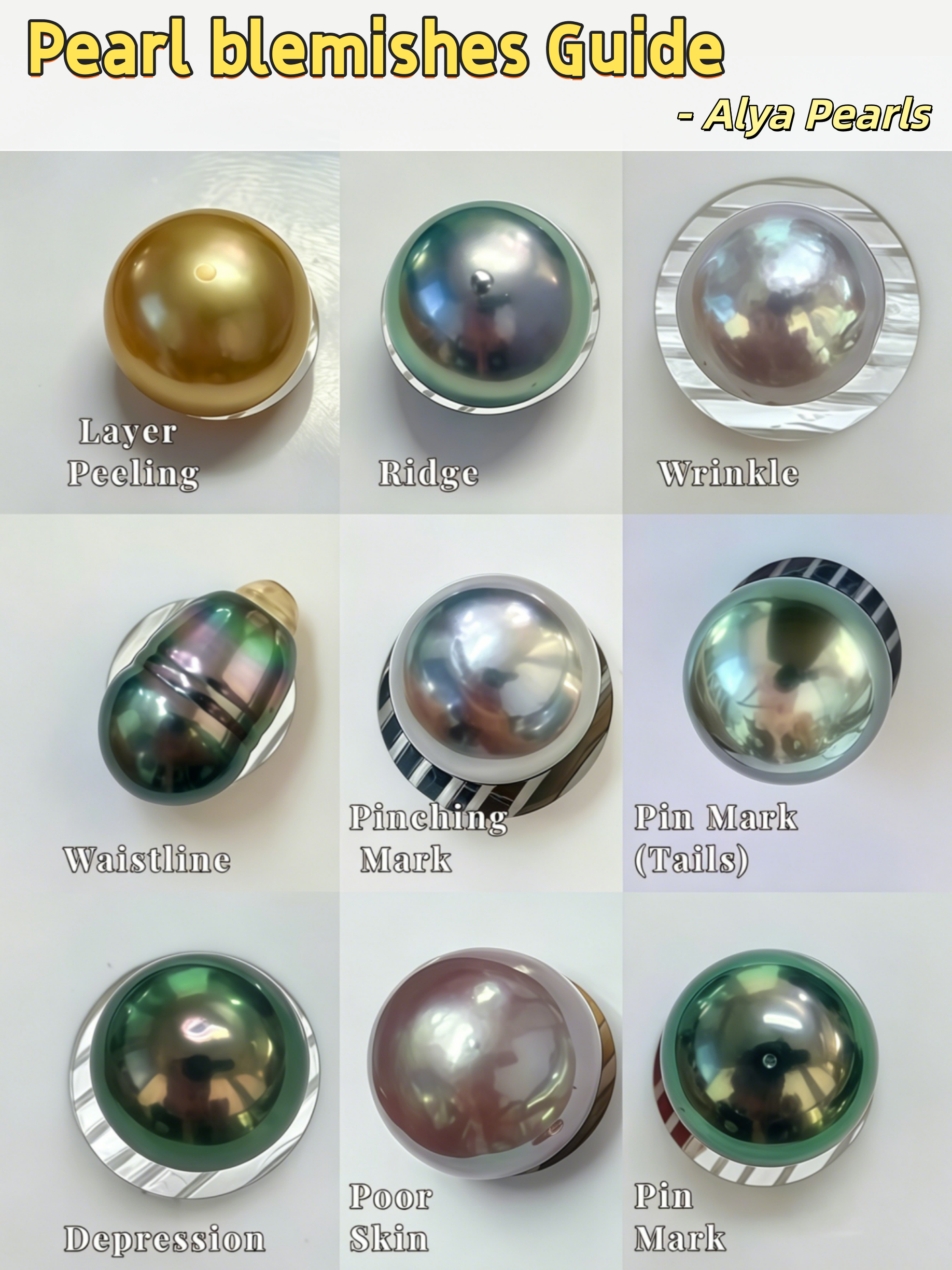
The trade-off is that multi-pearl production often creates more shape variation. Some pearls are rounder, some are oval, some are baroque, and some have small growth marks. For jewelry designers, this variety can be beautiful. For strict round pearl grading, it can be more challenging.


Pearl Structure: Bead Nucleus and Nacre
To understand pearl value, you need to understand pearl structure. A pearl is not just a shiny surface. It is built from layers of nacre, also called mother-of-pearl. Nacre is made of microscopic mineral crystals and organic material arranged in layers, which is why pearls show soft glow, depth, and orient.
In bead-nucleated pearls, there is a central bead nucleus with nacre deposited around it. In non-beaded freshwater pearls, the pearl is mostly nacre throughout. This difference is important when discussing durability, cutting, drilling, and long-term wear.
When you look at a pearl cross-section, the structure becomes much easier to understand. The center may show a bead nucleus in bead-nucleated pearls, while the outer area shows the nacre layer. The thicker and better-formed the nacre, the more durable and visually deep the pearl can be.

Farming Time, Nacre Growth, and Pearl Price
In the current commercial pearl market, most freshwater pearls are farmed for about two to four years. This is not only a biological decision; it is also a business decision.
A longer farming period can allow more nacre growth, larger size, and potentially better depth of luster. But every extra year also increases risk. Weather changes, water quality problems, disease, flooding, heat, cold, and market price fluctuations can all affect the final harvest. A farmer may invest years of labor and still lose a large part of the crop before harvest.
This is why many farms prefer a controlled two-to-four-year cycle. It reduces exposure to climate and disease risk, improves cash flow, and allows farms to respond faster to market demand. From the outside, buyers may simply ask why one pearl is more expensive than another. On the farm side, the answer often includes survival rate, rejection rate, farming time, quality percentage, and how many pearls are actually good enough for jewelry.
A pearl with thicker nacre, stronger luster, cleaner surface, and better shape is not just “prettier.” It represents a lower success rate and a higher farming cost. This is especially true for larger Edison pearls and high-grade round freshwater pearls.
Why Some Freshwater Pearls Are More Expensive
Freshwater pearls are often seen as more affordable than Akoya, Tahitian, or South Sea pearls, but that does not mean all freshwater pearls are inexpensive. A high-quality freshwater pearl with strong luster, clean surface, attractive color, and balanced shape can still be rare.
The most valuable freshwater pearls usually combine several factors: good donor tissue, healthy host mussel, careful grafting, stable water conditions, enough farming time, and skilled sorting after harvest. When all of these factors come together, the result can be a pearl with remarkable glow and durability.
Freshwater Pearl Color: Why the Donor Tissue Matters
One detail many buyers do not know is that pearl color is strongly influenced by the tissue used in grafting. The donor mantle tissue helps form the pearl sac, and the pearl sac secretes nacre. Because of that, the donor tissue can influence the final color family of the pearl.
This does not mean the farmer can control color perfectly like choosing paint. Pearl color is still affected by genetics, water environment, minerals, temperature, mussel health, and farming conditions. But in real farming, donor selection is one of the most important tools we have.
When we aim for soft pink, lavender, peach, white, champagne, or golden freshwater pearls, we do not only look at the host mussel. We also look carefully at the donor. This is part of the quiet knowledge passed down in pearl farming families: the smallest piece of tissue can influence the final beauty of the pearl.

A Farmer’s Note from Alya
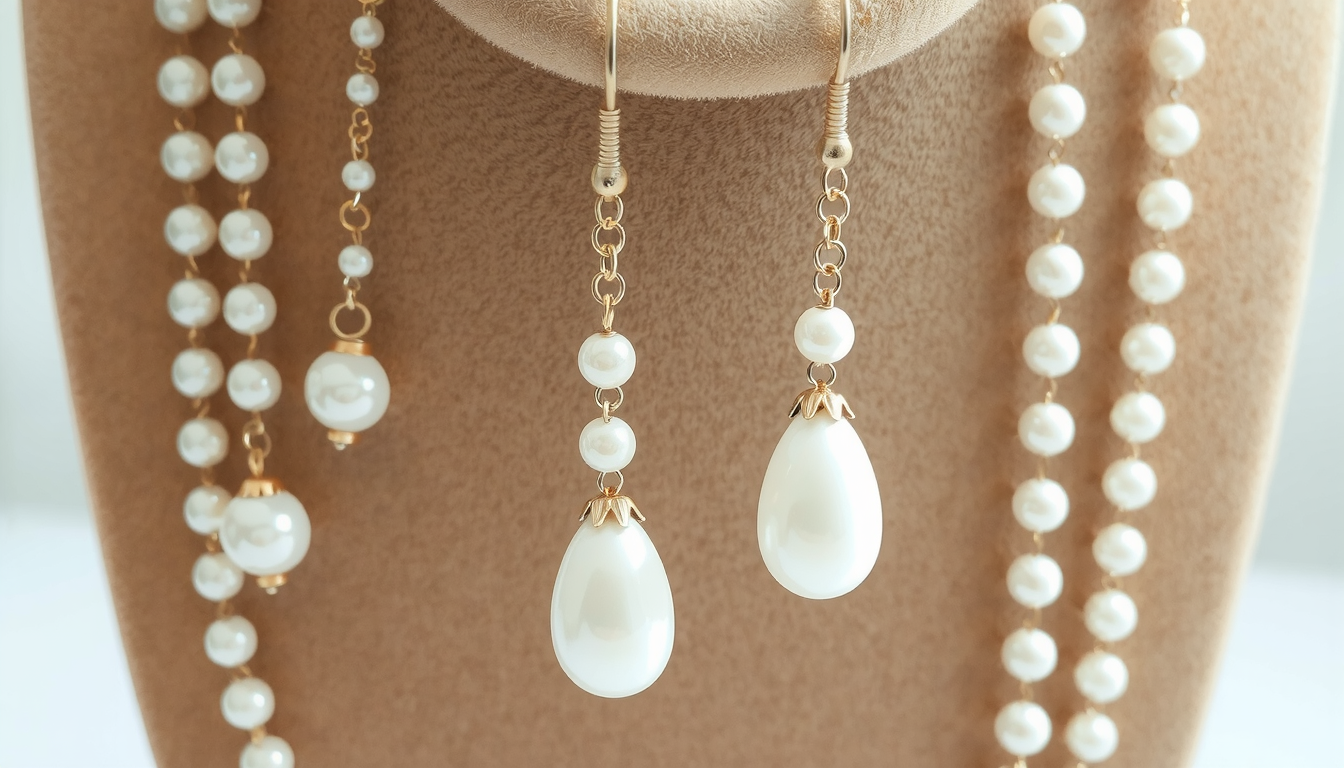
When people see a finished pearl necklace or a pair of pearl earrings, they usually see only the beauty. But as a pearl farmer, I see the years behind it.
I see the technician opening the mussel carefully. I see the donor tissue being trimmed into tiny pieces. I see the mussels returned to water and watched through seasons of heat, cold, rain, and disease risk. I see the harvest where thousands of pearls are sorted, and only a small percentage become fine jewelry pearls.
That is why I always say freshwater pearls are not “simple pearls.” They are the result of biology, skill, patience, and commercial reality. A beautiful cultured freshwater pearl carries both the farmer’s hand and nature’s uncertainty.
Follow @alyapearls on Instagram and join our jewelry channel for daily updates on our newest handmade pearl pieces.
Watch: Freshwater Pearl Farming and Modern Cultured Pearls
For readers who want a visual reference, this video offers a useful introduction to the newer generation of freshwater pearls and how freshwater pearl farming has evolved.


Leave a comment
This site is protected by hCaptcha and the hCaptcha Privacy Policy and Terms of Service apply.