
Can Pearl Oyster Be Eaten? Pearl Farmer's Honest Answer 2026
Can Pearl Oysters Be Eaten? A Pearl Farmer's Honest Answer
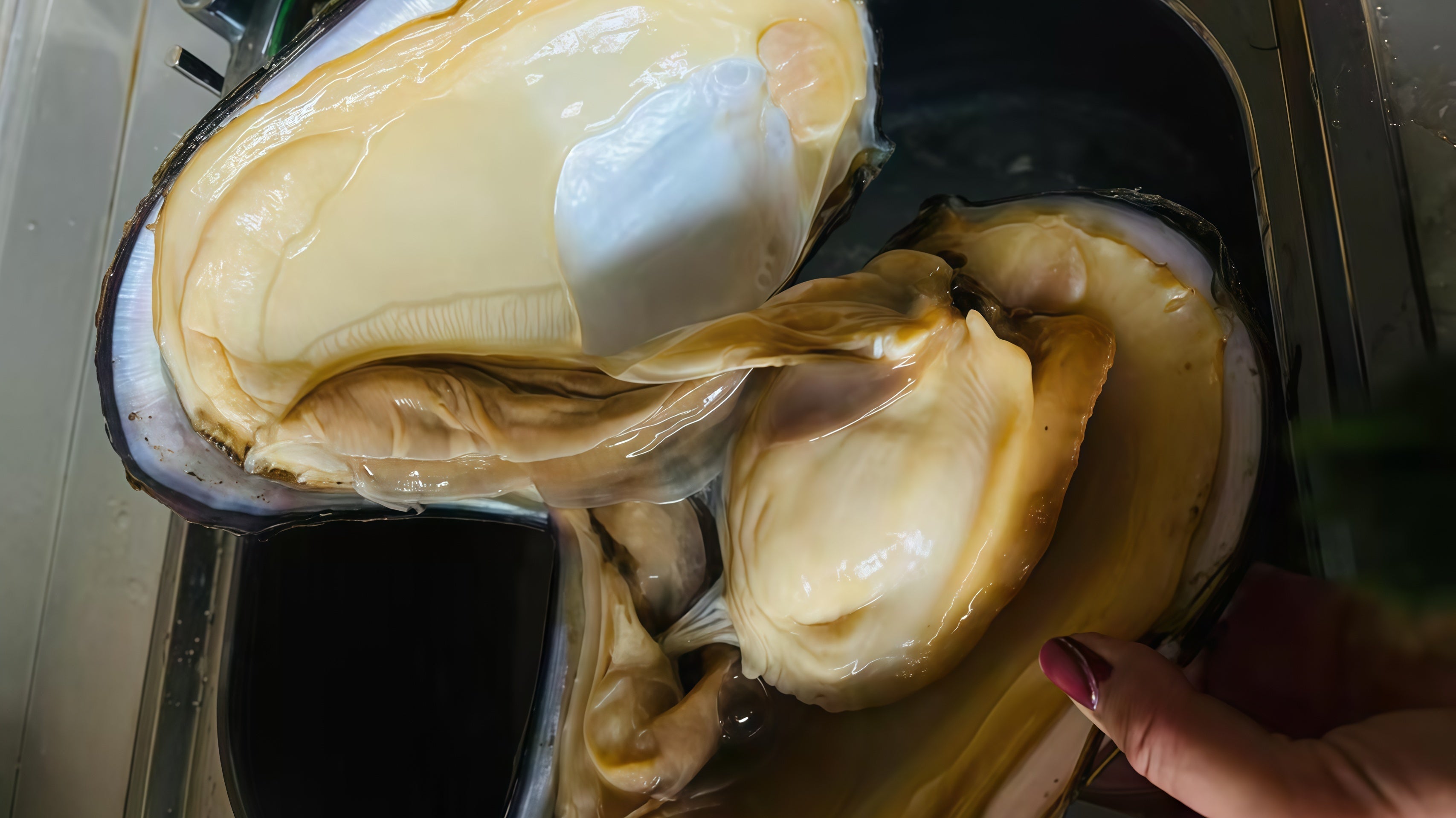
In our harvest videos, people often ask what we do with the shells and meat. The biggest question is: can pearl oysters be eaten? The direct answer is yes. The meat is not only safe to eat, but it can also taste quite good. It has a mild, briny, and savory flavor. But there's a practical side to this. The amount of meat from a harvest is so huge that no one could eat it all. This has led us to develop ways to ensure nothing goes to waste.

- Yes, both saltwater pearl oysters and freshwater pearl mussels have meat you can eat.
- The flavor is briny and savory, but the texture is frequently firmer than that of restaurant oysters.
- The amount of meat collected during harvest is enormous so most of it is used as animal feed or is converted into flavor extracts.
- The shells are also fully recycled. They make new pearl centers, calcium powder, and mother-of-pearl crafts.
- Safety comes first: only eat shellfish that are sourced properly and cooked thoroughly.
The Short Answer: Do You Eat Pearl Oysters?
- Yes, pearl oysters are safe to eat when they are sourced and handled properly.
- Flavor: The taste is generally briny, somewhat sweet, and rich in umami. However, the texture is often firmer or chewier than that of oysters served in restaurants.
- In Practice: Due to the massive quantity at harvest, most of the meat is used as animal feed or made into flavor extracts instead of being eaten directly.

Pearl Oysters vs. Food Oysters: A Quick Guide
It's easy to get confused, as "oyster" is a general term. Here is a simple breakdown that will help you understand what we are working with.
"Pearl Oysters" (Saltwater)
These are the marine creatures we farm in saltwater for the purpose of pearl production. They are part of the Pteriidae family. Their biological role is the production of shiny nacre. This is the same material that makes up a pearl and lines the interior of the shell.
"Food Oysters" (Restaurant Oysters)
These are the juicy oysters typically served raw in a half shell platter in a restaurant. These belong to the Ostreidae family. They are mostly raised for their meaty texture and taste.
And Freshwater Pearls?
Mostly, freshwater pearls are available from mussels in the Unionidae family, and the same logic applies to this case. The freshwater pearl mussel meat can be eaten. Growing pearls is their major function, rather than becoming dinner.
What Happens After Pearl Harvest? Our Workflow
Many people have the question of what happens after a pearl is harvested. We follow a specific sequence of dealing with all parts of the oyster very effectively and ensuring no wastage has occurred.
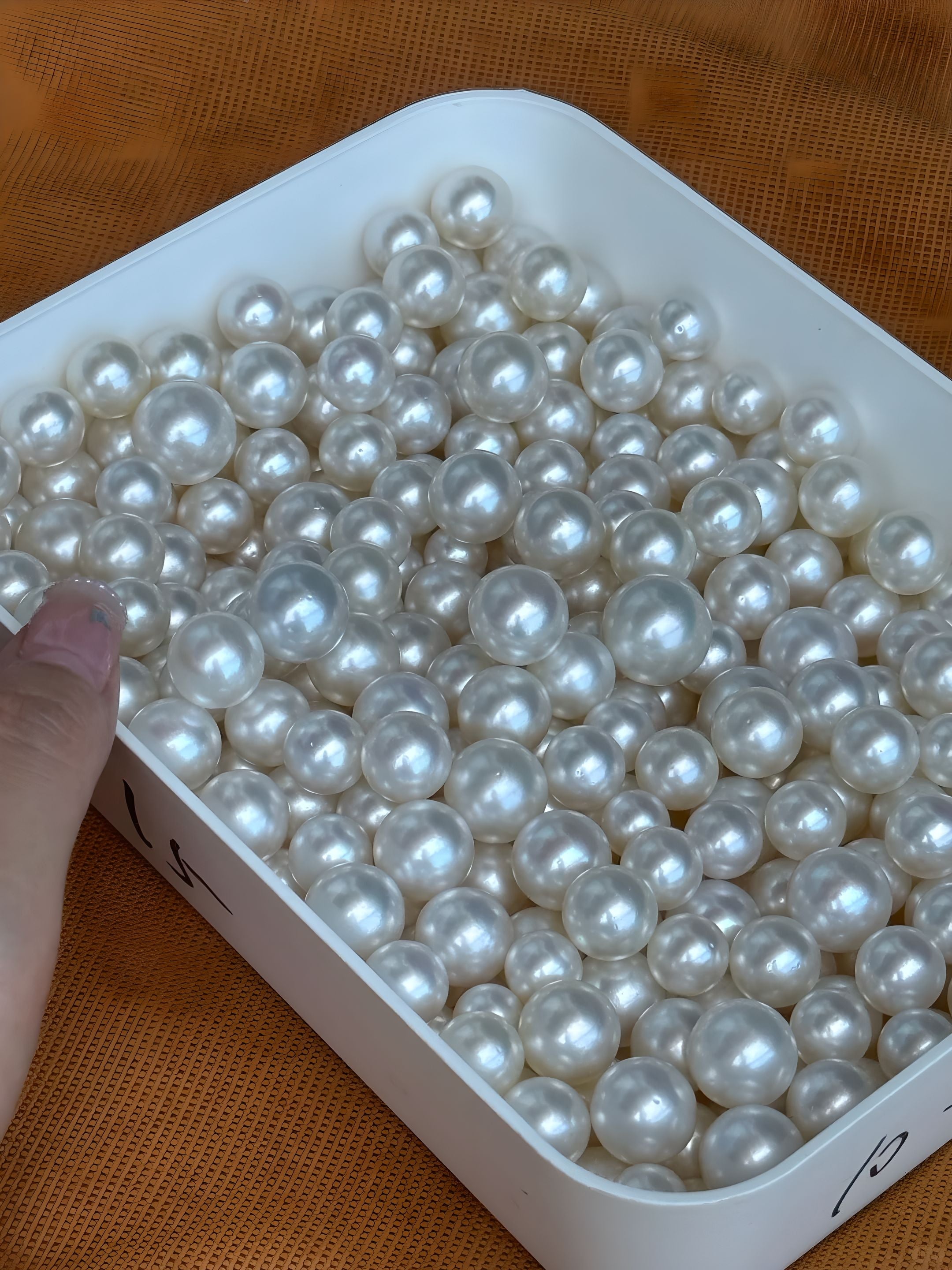
- Harvest & Pearl Extraction: Our main task is to gently detach the pearl. The process is very fragile; we don't wish to damage the valuable gem.
- Sorting: After the pearls are collected, we proceed to sort the leftover items. The meat and shells go their separate way.
- Processing the Meat: The meat is extracted and temporarily put in a separate area for it to be processed. It could be for food, flavorings, or animal feed.
- Processing the Shells: The shells are washed and arranged according to their quality. The remarkable ones serve a specific function. The remaining ones are prepped for various uses.

Can Pearl Oysters Be Eaten? On the Meat
So, if the meat can be eaten, why is it not included in every menu item? It is the matter of being practical and honoring the valuable resources that we have.
The Taste Test: It's "Pretty Decent!"
We can testify that the meat is not merely safe to eat. It is quite decent too. The crew on the farm sometimes uses small amounts to make savory soups and slow-cooked broths. The flavor is rich and adds wonderful depth to a simple meal after a long day's work.
Old Seasoning Consumed in a New Flavor
From time to time, we work on the meat to turn it into umami-rich seasoning extract. This isn't a new idea. Long before modern seasonings were invented, cooks used natural ingredients like shellfish and seaweed. These boosted the savory flavor of their dishes. We have adopted that ancient wisdom in a modern way to create a natural flavor booster.
Main Use: Sustaining Animal Feed
Here is the practical reality. The sheer amount of meat from a harvest is too high for people to eat regularly. To make sure nothing is wasted, most of the pearl oyster meat becomes high-protein animal feed.
- Some is given fresh to the ducks on our farm. The ducks love it.
- The rest gets dried and ground into powder. This becomes an ingredient for premium cat and dog food.
A Practical Note on Food Safety
Whether you're eating a pearl oyster or a restaurant oyster, food safety is paramount. Bivalves like oysters and mussels are filter feeders. This means their safety depends entirely on the water they live in and how they are handled.
- Source Matters: Only eat shellfish from a trustworthy, secure source. They should be able to give you information on the provenance of the shellfish.
- Trust Your Senses: Before and after cooking, the meat should smell fresh like the ocean. If it has an "off" or bad smell, throw it away.
- Cook Thoroughly: If you have any doubts, cook the shellfish thoroughly. This will kill most of the harmful bacteria.
- The Open-and-Shut Rule: When cooking live shellfish, throw out any of them that do not open during the cooking process.
The Surprising Life of Mother-of-Pearl Shells
The shells are just as valuable as the meat. We have a circular system for using them. The beautiful mother-of-pearl shell uses are a great example of our commitment to sustainability.
Making Nucleus with Shells
Some of the highest-quality shells are cut, shaped, and polished into little beads. These then turn into the nucleus, or seed, for the next round of cultured pearls. A shell from one generation becomes the source for the next pearls.
Passing From Shell to Calcium Powder
Other shells are not good enough for nucleus production, but they are still very useful. We grind them into a fine, calcium-rich powder. This powder is used as:
- A natural calcium supplement in pet food.
- An additive or filler in some building materials and decorative products.

Shells as an Art Medium
A small portion of the shells with the most beautiful color and shine are set aside. These unique shells are delivered to artisans who use them in crafts. This includes mother-of-pearl mosaics, inlay furniture, and unique jewelry pieces. Only the best shells are chosen for this.
A Farmer's Guide to the Taste and Texture
If you ever get the chance to try pearl oyster meat, here is what you can expect. It is an entirely memorable encounter. It's different from a typical food oyster.
- Texture: The meat is often much firmer and chewier. It's not the soft, almost creamy texture you might be used to from restaurant oysters. The texture is more similar to a clam or a cooked scallop.
-
Flavor: The taste is clean and savory. You'll notice a distinct brininess from the saltwater. There's also a subtle sweetness and a deep, satisfying umami finish. It's a complex flavor that is truly a product of its environment.

Putting It All Together: From Harvest to Byproduct
Here is a simple table that shows what happens after pearl harvest and how we use every part of the oyster.
| After-Harvest Uses: Meat vs. Shell |
| :--- | :--- | :--- | :--- |
| Part | Common uses in our workflow | Food vs. Non-Food Use | Why it's useful (waste reduction / sustainability / value) |
| Meat | • Soups/broths for farm crew
• Flavor extracts
• Raw feed for farm ducks
• Dried for pet food ingredient | Both | Reduces waste, provides a high-protein food source, and captures value from a byproduct. |
| Shell | • Nucleus material for new pearls
• Ground into calcium powder (pet food, building materials)
• High-grade shells for crafts/art | Non-Food | A perfect circular economy model. The shell helps create the next product and other parts are fully recycled. |
Your Practical Guide to Trying Shellfish
Inspired to try a similar shellfish experience? Since pearl oyster meat isn't readily available, here's how you can safely prepare other unique shellfish.
Checklist: If You Want to Try Shellfish
- Source Safely: Always buy from a licensed seafood supplier who can tell you the origin.
- Clean Thoroughly: Scrub the outside of the shells under cold, running water to remove any sand or debris.
- Cook Simply: Steaming or adding the meat to a soup is a great way to start. It lets the natural flavor shine.
- Start Small: Since the flavor and texture can be distinct, try a small amount first to see if you enjoy it.
A Simple Method for a Savory Stew
- Sauté aromatics like garlic, onion, and celery in a pot with a little oil or butter.
- Add a liquid base, such as seafood broth or a light coconut milk, and bring it to a simmer.
- Add the cleaned shellfish meat.
- Cook for just 5-7 minutes, until the meat is firm and cooked through. Season with salt, pepper, and fresh herbs before serving.
A Common Confusion: Eating the Pearl vs. the Oyster
To be more specific, this article is about eating the oyster meat. But we often get asked, "can pearl be eaten?" The question usually raises two crucial issues.
First, it can mean consuming specially prepared, food-grade pearl powder. This is a practice with a long history in traditional medicine for health and cosmetic reasons. This is entirely different from eating the oyster meat. As some sources explain, this involves grinding pearls into a supplement, not eating them whole. You can read more about the historical context of consuming pearls here.
Second, some people think of the "pearls" in bubble tea. As explained in articles like this one from Yahoo, these are not gems at all. They are chewy balls made from tapioca starch.
Can't Find Pearl Oysters? Try This Green Mussel Recipe
Finding pearl oyster meat for sale is nearly impossible. But if you want to try a dish with a similar flavor profile, a great and widely available substitute is the green-lipped mussel.
A "green mussel" is the common name for the New Zealand Green-Lipped Mussel. It's famous for its beautiful green shell and plump, flavorful meat. They are a great substitute because their flavor is also briny and umami-forward. They have a satisfyingly chewy texture that holds up well in steamed dishes and stews.
Recipe: Simple Steamed Green Mussels in Garlic Broth
This green mussel recipe is easy and highlights the mussel's delicious natural flavor.
- Prep time: 10 minutes
- Cook time: 10 minutes
- Serves: 2
Ingredients:
- 2 lbs fresh green mussels, cleaned and debearded
- 2 tbsp olive oil
- 4 cloves garlic, thinly sliced
- 1/2 cup dry white wine or seafood broth
- 1/4 cup chopped fresh parsley
- 1 lemon, cut into wedges
- Salt and black pepper to taste
Instructions:
- Heat olive oil in a large pot or Dutch oven over medium heat. Add the sliced garlic and cook for about 1 minute until fragrant, but not browned.
- Add the white wine (or broth) to the pot and bring it to a simmer.
- Carefully add the cleaned mussels to the pot. Cover with a lid and let them steam for 5-7 minutes. Shake the pot occasionally.
- The mussels are done when their shells have opened. Throw away any mussels that remain closed.
- Stir in the fresh parsley, season with a pinch of salt and pepper, and give it one last gentle stir.
Serving Suggestions:
Serve immediately in large bowls with plenty of crusty bread for soaking up the delicious garlic broth. Garnish with fresh lemon wedges on the side.
Frequently Asked Questions (FAQ)
Can pearl oysters be eaten?
Yes, the meat of pearl oysters can be eaten and has a pleasant, savory flavor. However, it's not commonly sold for food as the oyster's primary value is in producing pearls. Most of the meat is repurposed as a byproduct.
Do pearl oysters taste like regular oysters?
Not exactly. Pearl oyster meat is typically much firmer and chewier. The flavor is briny and full of umami. But it's a different culinary experience from the soft, creamy texture of common food oysters.
Can you eat freshwater pearl mussels?
Yes, the meat from freshwater pearl mussels can also be eaten. Like their saltwater cousins, they are not raised for food. So the meat is a byproduct of the pearl harvest.
Is it safe to eat pearl oyster/mussel meat from any farm?
No. You should only eat shellfish from a known, trusted source that can verify clean water and safe handling practices. Never eat shellfish harvested from unmonitored waters.
What do pearl farms do with the meat after harvest?
A small amount might be eaten by the farm crew. But most is sustainably repurposed. It's often used as high-protein animal feed for ducks or processed into pet food.
What do pearl farms do with the shells after harvest?
Nothing goes to waste. The best shells are used to make the nucleus for the next generation of pearls. Others are ground into calcium powder or selected for mother-of-pearl crafts and inlay.
Can shells be reused for pearl nucleus material?
Absolutely. This is a key part of sustainable pearl farming. High-quality mother-of-pearl shell is the ideal material for creating the bead nucleus. This is implanted in an oyster to grow a cultured pearl.
What's an easy substitute if I want a similar shellfish dish?
New Zealand Green Mussels are a great substitute. They are widely available and offer a similarly satisfying chewy texture. They have a briny, umami-rich flavor that works beautifully in steamed dishes and stews.


Leave a comment
This site is protected by hCaptcha and the hCaptcha Privacy Policy and Terms of Service apply.