
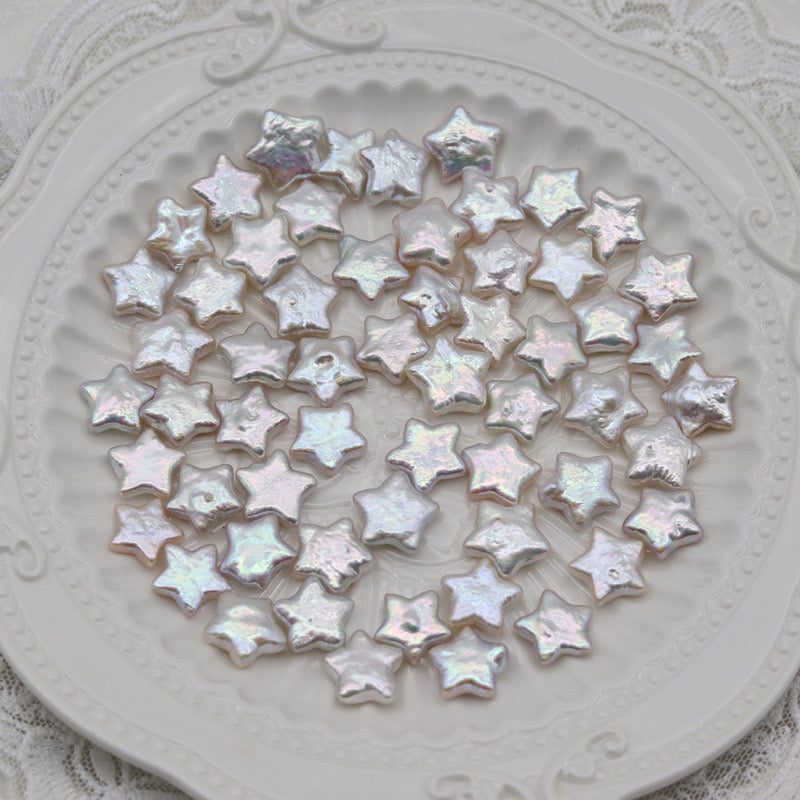
Are Star Pearls Real? 2026 Guide to Star-Shaped Pearls
Are Star Pearls Real? Uncovering the Secrets of Star Shaped Pearl Necklaces
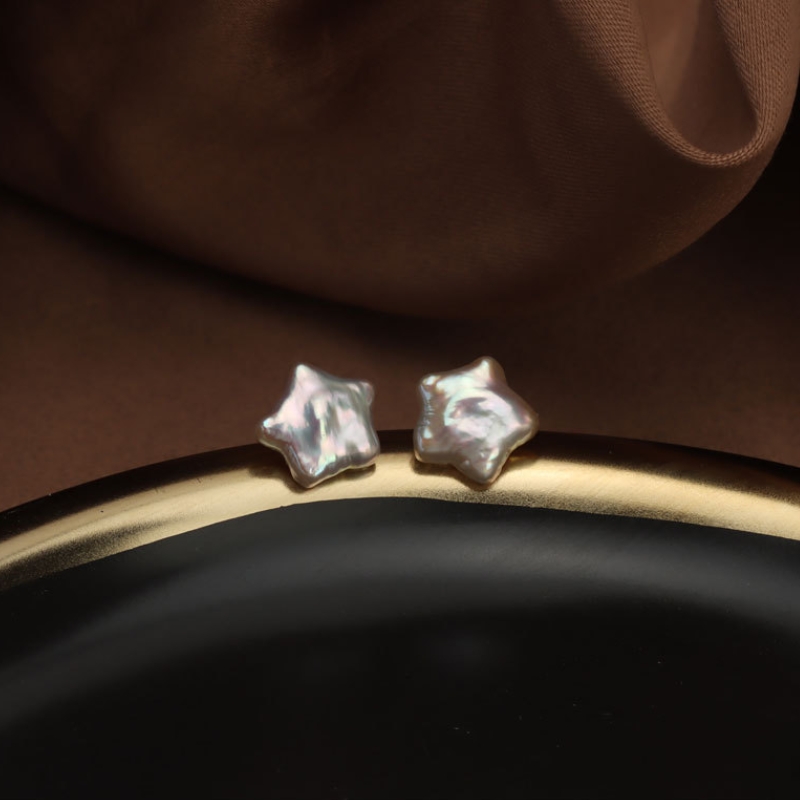
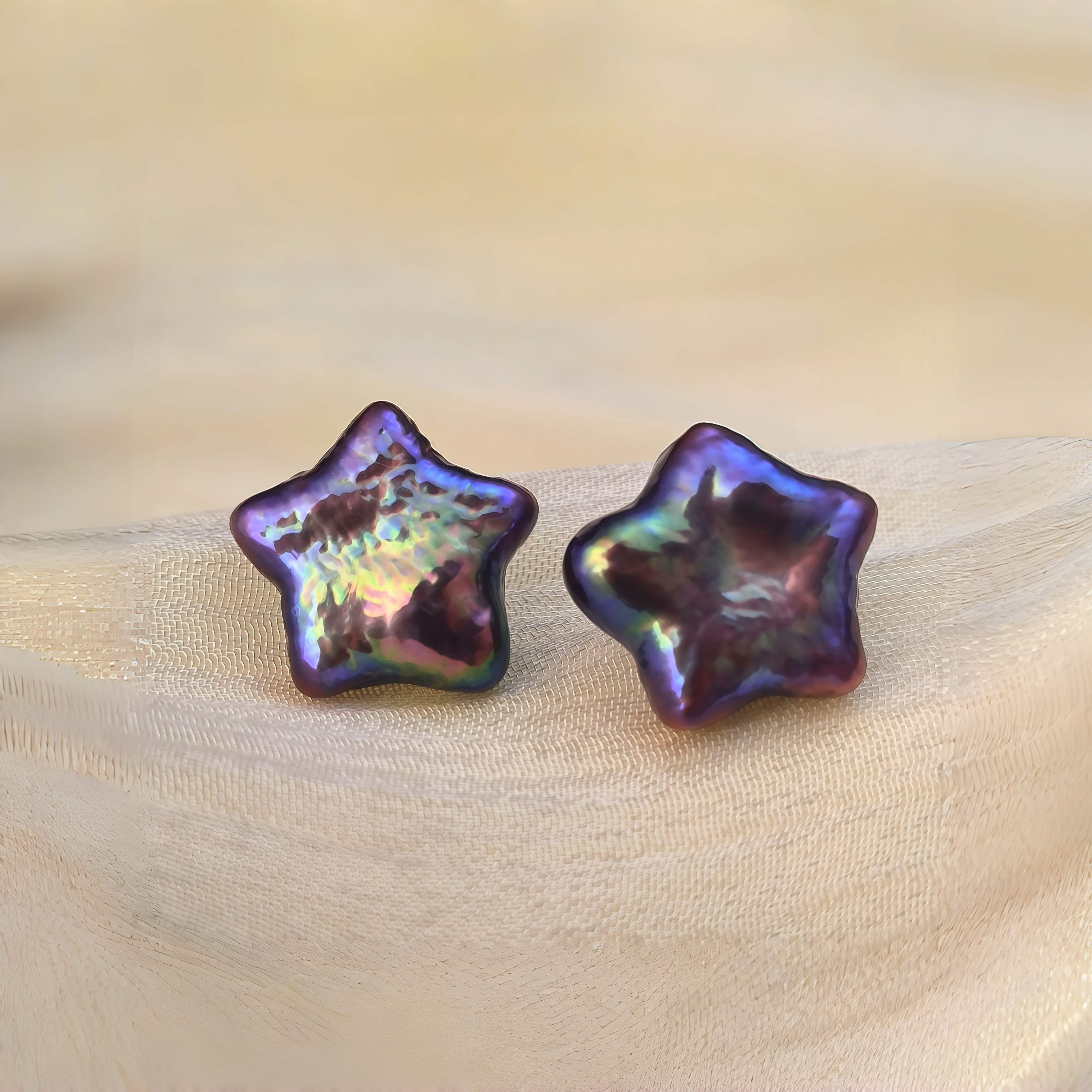
When you see a sleek star-shaped pearl, you might be curious, "are star pearls real?" These rarities look too beautiful to be real. Star pearls are a gorgeous freshwater gems' story contributed by nature and people. They are authentic, but they are a special gem that is made with the help of skilled pearl farmers from freshwater mussels. Such pearls are an excellent example of how nature and careful work can come up with an incredible work of art.
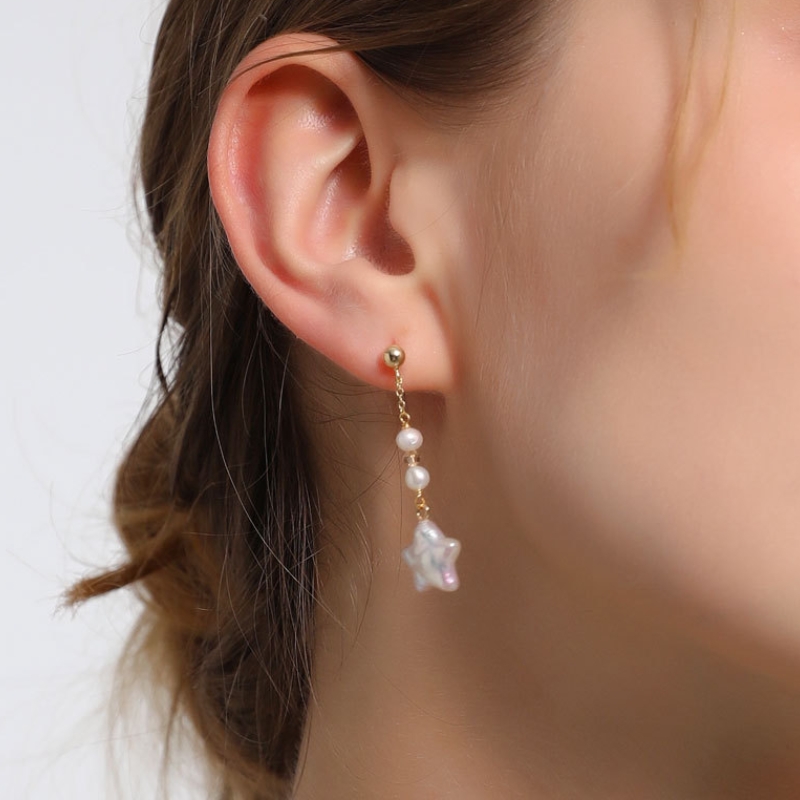
Key Points
- Star pearls are a reality. They are cultured freshwater pearls, unlike any other shape found in nature.
- The creation process involves the placement of a star-shaped nucleus inside a freshwater mussel.
- The fact is, the pearl farmer considers that particular star pearls of perfect quality with no visible surfaces are a little less than 1% of the harvest due to environmental conditions.
- The star is a symbol of direction and fate. The colors white and purple denote purity and wisdom, respectively.
- The surest way to tell a real star pearl necklace from the imitation is its cool touch, heavier weight, and small unique imperfections.
Introduction to Star Shaped Pearls: Nature's Wonderful Gems
Star-shaped pearls are an exclusive, stunning, and trendy variety of cultured freshwater pearls. They are the most fun and creative way to imaginate people, even if you first hear about them. Rather than being the figment of imagination, these are real pearls that are formed in the living mollusks that are raised in the pearl farms.
The Short Answer: Yes, Star Pearls Are Real Cultured Pearls
To set the record straight: star pearls are indeed real. However, they are not found by chance this way in the wild. Rather, they are cultured pearls. This means that the pearl farmers direct how they are created.
A professional craftsman places a small star-shaped nucleus in a freshwater mussel with a great deal of care. The mussel then goes on to do what it naturally does. It encloses the object inside with layers of nacre, a beautiful shiny substance. These layers eventually may become the nacre and the star pearl might be built up.
From a Pearl's Perspective: Cultured vs. Natural
All real pearls have nacre as their base material. The fundamental difference between natural and cultured pearls is their initial formation. Natural pearls occur by chance when an irritant such as a parasite gets inside a mollusk in the ocean. The mollusk counters it by coating it in nacre. As a result, natural pearls are extremely rare and hardly ever found, most typically are in museums, or are in antique jewelry.
In fact, cultured pearls will be the largest part of all pearls sold in the market in 2026. They are a responsible and sustainable way of bringing these treasures to the world. We set the stage for the mussels to do their thing. It's a process we initiate, but they see it through. That cooperation lets everyone benefit, as there are real pearls without harming any natural fishing populations.
| Pearl Type | Origin | Formation Process | Rarity & Value |
|---|---|---|---|
| Natural Pearl | Accidental | A natural irritant (e.g., a parasite) enters a mollusk without human intervention. | Extremely rare; historically priceless and found mostly in antique jewelry. |
| Cultured Pearl | Farmed | A human intentionally introduces a nucleus and/or mantle tissue to stimulate nacre production. | The vast majority of real pearls today; responsibly produced and widely available. |
| Imitation Pearl | Man-made | Glass, plastic, or shell beads coated with a pearlescent substance. | Not a real pearl; has no gemological value. |
From the Pearl Farm: A Farmer's View on Rarity
Being pearl farmers means that we are closely connected to water and everything that lives within it. Our work is like a quiet but a natural partnership with the environment. It takes time, skill, and luck. It is a complex dance to create a pearl. The star pearl process is even more complicated.
Reflections from the Water: The Struggles We Face
Healthy conditions are crucial for the farm. Mussels, the mollusks that bear our pearls, are delicate creatures. They need clean water and consistent temperatures to prosper. These particulars are equally crucial for them to produce nacre of adequate thickness and luster.
Recently, we could see how easily this balance can be shaken. Climate change has disrupted the water temperature levels. These have resulted in mussels' stress. Runoff pollution may also inflict damage to water conditions. These impacts directly affect our harvests. We are noticing a dwindled amount of pearls of high quality each year.
A Star's Perfection Rarity
When it comes to the question of how star-shaped pearls are made, the starting point is with us but the conclusion is with Mother Nature. We can insert a perfect star-shaped nucleus in the mussel, but we cannot oversee what will happen after. The mussel is the real artist.
A great many things can happen. The star center may not be accepted by the mussel. The nacre may not cover the star shape uniformly. As a result, the points remain unclear or the surfaces appear dull. They can have little bumps, or pits, or be speckled. Much of this is a result of the fact that the pearl is an organic product. It is inevitable that this natural uncertainty will come along.

Due to these barriers, a flawless star pearl is indeed a prodigy of the harvest. To us, a star pearl is considered "perfect" when it has well-defined points, a brilliant shine, and a clean side on both sides. These top-quality gems are exceptionally rare. They are such a low percentage of total harvests. Each one reflects both the farmer's skill and the artistry of nature.
The Meaning and Spiritual Significance of Star Pearls
More than being simply jewelry, the star pearl necklaces exude wisdom and spirituality. Its shape and color add layers of meaning. They make the wearer feel connected to important issues like guidance, destiny, and inner light. Therefore, it becomes a powerful and personal choice.
Reading the Stars: The Shape Represents
The star is one of the most famous and oldest symbols used by humankind. When it caught in a pearl, it bears various meanings.
- Guidance & Destiny: Similar to the North Star, which for centuries has guided travelers, the star pearl can also be a talisman to find one's way. Accordingly, you are always on your unique path. Also, this star is your inner compass that leads you to the roads that are meant to be taken in the future.
- Dreams & Achievement: One often hears the phrase "reach for the stars." Star pearl is a sign that illustrates a life full of ambitions and dreams. It is a token of your accomplishments. It is a reminder of your capacity for success and all the goals you have reached.
- Protection & Light: A star may be the only light in the darkness and therefore it provides hope. The star pearl can also symbolize a protector. It is a light that shows the way during troubled times and offers hope and safety.
The Message of Color
The color of the star pearl adds a new aspect to its significance. Each color radiates its own message and symbolism.
- Purple Star Pearls: Purple is historically the color associated with power and magic. Thus, a purple star pearl might stand for nobility, mystery, and wisdom. This rich color also links to spirituality and the search for higher consciousness. Hence, it is a symbol of deep thought and elegance.
- White Star Pearls: White is the color of new beginnings and transparency. A white star pearl means purity, clarity, and truth. The pearl represents a serene mind and balance. It also stands for the wisdom that comes from deep within and is quiet yet powerful.

A Buyer's Guide to Finding the Perfect Star Pearl Necklace
After the question of whether are star pearls real is answered, it may dawn upon you that you want to have one. Making a choice for a good star pearl necklace involves having the idea of knowing the visible signs. This guide will help you become a confident buyer.
How to Evaluate the Quality of a Star Pearl
Not all star pearls come from the same mold. Here are the four factors by which you can determine the quality of a pearl.
- Shape Definition: A star pearl of the highest quality has sharp defined points. The shape should ideally be symmetrical and easily recognizable. The less precise shapes are commonplace and therefore less valuable.
- Luster (Shine): The luster of a pearl is a special glow that seems to restrict it from the inside. High-quality pearls will have a sharp, bright luster. You should be able to see your reflection clearly on the surface. Dull or chalky surfaces indicate lower quality.
- Surface Quality: Almost all pearls have some marks, but the best pearls have no marks. They are without bumps, pits, or cracks. A completely flawless surface is the rarest and most valuable.
- Nacre Thickness: A thick nacre layer not only makes the pearl shine beautifully but also ensures it remains for generations. In comparison, a thin nacre can bring dullness and chipping to the pearl.
Real vs. Fake: Simple Tests to Identify Authenticity
It is not surprising that numerous fake pearls are found on the market. Fortunately, there are a number of direct methods to identify a counterfeit item. The easiest ways to determine if the pearl is a fake usually involve a prompt engagement of your senses.
- The Temperature Test: True pearls feel cool. They take time to warm up against the skin. Plastic or glass imitations will feel close to room temperature.
- The Weight Test: Real pearls are denser than counterfeit ones. If you hold one real pearl and one fake of the same size in your hands, the real one will be noticeably heavier.
- The "Too Perfect" Test: Nature is rarely perfect. The real star pearls will be slightly different in terms of shape, luster, and surface. On the other hand, if every single one of the pearls is exactly the same, the string could very well be a fake.
The Sky's the Limit when it Comes to Star Pearl Jewelry
Star pearls have proven themselves to be extremely flexible. You can find them in a wide variety of styles, including a simple star pearl necklace with one pendant or a strand of all these lovely stones. They can also be made with earrings, bracelets, and even rings. These options make it easy to find star-shaped pearls that mirror your personal style. You can choose from the modern trend or minimalistic style or go for classic and elegant ones.

FAQ: Your Questions About Star Pearls Answered
Below are some answers to the most frequent questions people have about star pearls.
Are star pearls expensive?
Star pearls have a varied price range depending on a number of factors. One will first look at luster, surface, shape definition, and size, which are their main quality. A small, simple star pearl may be very cheap. However, a big star pearl with high luster and the perfect shape will be rare and, therefore, more valuable.
Are all colored star pearls natural?
Not always. The white, pinkish, and purple hues are the colors that freshwater pearls can get naturally. People chase these natural colors because they are rare. However, bright and other very different colors such as electric blue or radiant green are often due to dye treatment, which is probably the case with the star pearls. A reputable seller will always mention whether a pearl's color has been treated.
What's the difference between a star pearl and a star-shaped mother-of-pearl?
This is a notable question that you have asked. A star-shaped mother-of-pearl is simply a piece of a shell which is flat and lacking the deep glow lustre of a real pearl; it has been cut and polished into a star. Whereas, a star pearl is a 3D whole pearl that is formed around a nucleus by a mussel. It is solid, it has weight, and it has a peculiar glow that shell has not.
Can star pearls be found in nature?
It is unlikely to find a true pearl that developed into a perfect star in nature. The conditions are so particular that it is considered practically impossible. Hence, all star pearls which are available for sale in 2026 will be cultured pearls.
How can I be sure my star pearl necklace contains real pearls?
Always buy from a pearl dealer who is trustworthy or a certified jeweler. They need to provide the right information about their pearls. Look for the authenticity signs as outlined in this guide. A real star pearl necklace is a remarkable addition to any outfit. Never hesitate to ask for any facts about its origin and quality since it is indeed a crucial investment.


Leave a comment
This site is protected by hCaptcha and the hCaptcha Privacy Policy and Terms of Service apply.