
Written by Alya Liu — pearl farmer & jeweler.
A few days ago, I received a message from Heather in New Jersey. She told me she had seen something on Instagram claiming that taking pearl powder might help with glaucoma as a natural remedy. She asked me whether this was true.

I understood why she was curious. Pearl powder has a long history in Traditional Chinese Medicine, and many people search for pearl powder benefits because they are looking for something gentle, natural, and traditional. But when the question becomes how to use pearl powder for eyesight, especially for a serious eye disease like glaucoma, we need to be very careful.
A Quick Traditional Wellness Summary
Based on Traditional Chinese Medicine experience and personal observation, pearl powder may be used as a gentle wellness support for tired, dry, or red-looking eyes. This is not a medical guarantee, and it should not replace professional eye care.
| Pearl powder | 2g daily |
|---|---|
| Liver extract | 500mg daily |
| How to take | Take with a meal every day |
| Lifestyle support | Get enough sleep and avoid alcohol |
| Suggested period | Try consistently for about two weeks |
| Traditional experience | This combination may help relieve eye dryness, tired redness, and puffiness. In some personal and traditional-use cases, it may also help the whites of the eyes look clearer. |
Note: This is shared from a Traditional Chinese Medicine and personal experience perspective. It is not a medical claim, diagnosis, or treatment guarantee.
In traditional Chinese medicine, pearl powder is often associated with calming the liver, brightening the eyes, and helping with eye discomfort linked to heat, dryness, redness, or cloudy vision in the traditional TCM framework. But this does not mean pearl powder can treat glaucoma, reverse optic nerve damage, or replace medical care from an eye doctor.

What Is Pearl Powder?
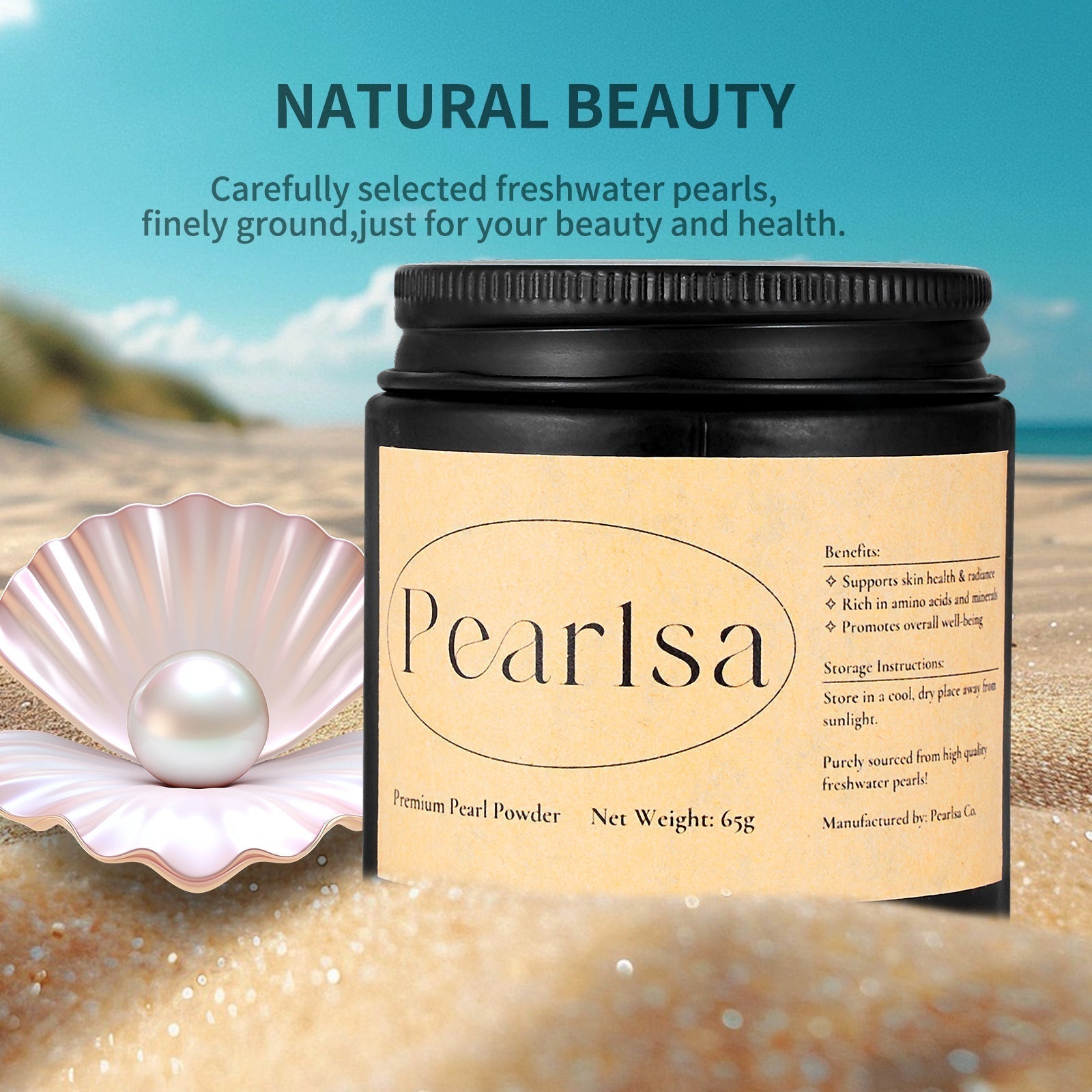
Pearl powder is made by grinding pearls or nacre into a fine powder. The material itself comes from the same nacre that gives pearls their soft glow. In traditional use, pearl powder has been taken internally or used externally in beauty routines.
In modern wellness language, pearl powder is often talked about for skin brightness, calmness, mineral content, and eye comfort. But I always like to separate three things: traditional use, personal experience, and modern medical evidence. These three can overlap, but they are not the same.
A pearl can be meaningful in culture, beautiful in jewelry, and useful in traditional formulas — but that does not automatically make it a proven treatment for every condition people mention online.

Pearl Powder and Eyesight in Traditional Chinese Medicine
In Traditional Chinese Medicine, pearl powder is often described with phrases such as “clearing the liver and brightening the eyes.” This language belongs to the TCM system. It does not translate directly into a single modern diagnosis.
Traditionally, pearl powder may be used to support eye comfort in patterns involving dryness, redness, visual fatigue, blurry vision, or certain types of cloudiness described in classical terms. It is also often used together with other ingredients, not as a single magic powder.
For example, in traditional formulas, pearl powder may be paired with ingredients used for eye-related patterns. Some people mention cicada slough or abalone shell in this context. But these combinations belong to trained traditional practice and should not be mixed casually at home, especially if someone is taking medication or has a diagnosed eye condition.
This is where Instagram can become misleading. “Pearl powder benefits the eyes” is not the same as “pearl powder treats glaucoma.” Those two statements are very different.
Can Pearl Powder Help Glaucoma?
For glaucoma, my answer to Heather was clear: there is no reliable evidence that pearl powder can treat glaucoma.
Glaucoma is a serious eye disease that can damage the optic nerve and lead to vision loss. It often develops slowly, and many people do not notice symptoms in the beginning. That is why regular eye exams and pressure checks are so important.
If you have glaucoma, please do not replace prescription eye drops, laser treatment, surgery, pressure monitoring, or ophthalmology follow-up with pearl powder or any supplement. Pearl powder may belong to traditional wellness, but glaucoma belongs first to medical eye care.
I know this may feel disappointing for people who hope for a natural answer. But with eyesight, honesty matters more than comfort. A gentle supplement should never delay proper treatment for a disease that can permanently affect vision.

Why Some People Use Pearl Powder for Dry, Tired Eyes
My own experience with pearl powder is much more ordinary than the big medical claims online. I work with pearls, photos, jewelry details, and screens for long hours. My eyes can become dry and tired, especially after a full day of close work.
In those moments, I personally feel that pearl powder makes my eyes more comfortable. I have also noticed that it seems to help reduce the tired redness I get from fatigue. My mother once had a slightly yellowish look in the whites of her eyes, and after a period of traditional care, she felt it improved.
But I want to say this very plainly: these are personal and family experiences, not medical proof. I am not a doctor, and I would never tell someone to use my experience as a treatment plan.
My feeling is that pearl powder seems more relevant to everyday eye discomfort — dryness, fatigue, tired-looking eyes, or age-related dullness — than to serious eye diseases. Even then, the cause matters. Dry eyes can come from screen use, allergies, aging, medication, contact lenses, inflammation, or other conditions. If the discomfort continues, an eye exam is the right first step.
How to Use Pearl Powder for Eyesight: A Safer Way to Think About It
Many people want a simple dosage answer. I understand that. But because this topic involves eyesight, I do not think it is responsible to give a universal dosage or formula online.
Do not put pearl powder directly into your eyes
Pearl powder is not an eye drop. Do not place loose powder into the eye. It may irritate the surface of the eye or introduce contamination.
Choose supplement-grade pearl powder only
If someone chooses to take pearl powder internally, it should be supplement-grade, clearly labeled, and tested for safety. Jewelry pearls, craft pearls, unknown powders, or industrial materials should never be consumed.
Talk to a qualified professional first
If you have glaucoma, cataracts, eye pressure issues, diabetes, autoimmune disease, pregnancy, liver or kidney concerns, or if you take medication, speak with a physician, ophthalmologist, or qualified traditional medicine practitioner before using pearl powder.
Be careful with “natural combinations”
I have personally experimented with traditional ideas when I could not find certain Chinese herbs while living overseas. But I would not publish my own experiments as a recommendation. Combining pearl powder with liver extract, herbs, or mineral ingredients may not be suitable for everyone.
Do not press on the eyeball
Gentle relaxation around the eyes may feel soothing, but do not press directly on the eyeball, especially if you have glaucoma or eye pressure concerns. If you do eye massage, keep it very light and around the brow bone, temples, and orbital area — never forceful pressure on the eye itself.

Pearl Powder Benefits: What Is Reasonable to Say?
A careful way to talk about pearl powder benefits is this: pearl powder has a long traditional reputation for calming, beauty, skin support, and eye comfort. Some people, including myself, feel it helps with tired or dry eyes. But strong claims need strong evidence.
| Claim | How I would describe it |
|---|---|
| Pearl powder supports eye comfort | Reasonable as a traditional-use statement, especially for dryness and fatigue. |
| Pearl powder helps glaucoma | Not supported by reliable evidence; do not use it as glaucoma treatment. |
| Pearl powder cures cataracts | Too strong. Traditional formulas may discuss cataract-like conditions, but medical care is still necessary. |
| Pearl powder makes tired eyes feel better | Possible personal experience, but results vary and it should not replace diagnosis. |
Watch: Learn About Glaucoma Before Considering Supplements
If your question about pearl powder is connected to glaucoma, I recommend learning what glaucoma is first. This National Eye Institute video series explains glaucoma and why regular eye care matters.
A Personal Note from Alya
My grandfather was a successful traditional Chinese medicine practitioner and was respected in our local community. Growing up, I heard and saw cases that made me respect traditional medicine deeply. Some things worked in ways that are difficult to explain with the language we have now.
But I am also young, and I am not a doctor or a patient sharing a treatment record. I am a pearl farmer and jeweler who grew up close to pearls, pearl powder, and traditional stories around them. So I can share what I have seen, but I cannot recommend pearl powder as a treatment for eye disease.
If your eyes are simply tired from work, screens, aging, or dryness, pearl powder may be something you discuss with a qualified professional as part of a gentle wellness routine. If you have glaucoma, cataracts, sudden vision changes, pain, pressure, or persistent redness, please see an eye doctor first.
Tradition can be beautiful. But eyesight is too precious for casual experiments.
FAQ
What are the main pearl powder benefits?
Pearl powder is traditionally associated with beauty, calmness, skin support, and eye comfort. However, many claims still need stronger modern clinical evidence.
How do you use pearl powder for eyesight?
Do not put pearl powder directly into the eyes. If used internally, it should be supplement-grade and discussed with a qualified healthcare professional, especially if you have any diagnosed eye condition.
Can pearl powder help glaucoma?
There is no reliable evidence that pearl powder treats glaucoma. Glaucoma requires professional eye care, monitoring, and treatment.
Is pearl powder good for dry eyes?
Some people use pearl powder traditionally for eye comfort and dryness, and I have personally felt some comfort from it. But persistent dry eyes should be checked by an eye doctor because the causes can vary.


Leave a comment
This site is protected by hCaptcha and the hCaptcha Privacy Policy and Terms of Service apply.