
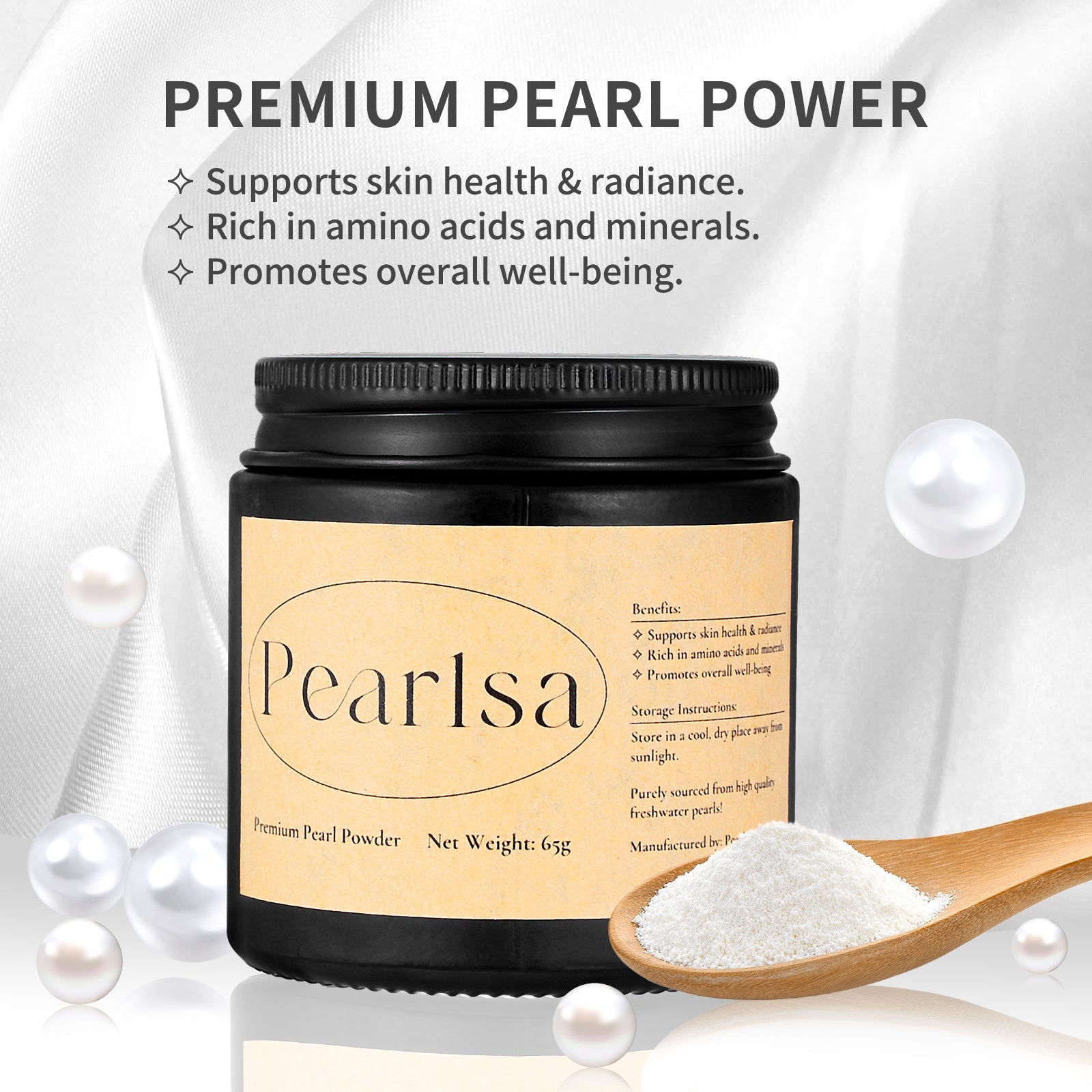
Pearl Powder Guide 2026: Edible vs Cosmetic Types Explained
The Unexpected Reality of Edible Pearls: Pearl Powder as a Full Guide
Have you ever thought about eating a piece of jewelry?
This thought sounds like something that's straight out of a fairy tale. You can't eat a pearl from a necklace as a whole. However, you can consume it in a form which is totally different from that, called pearl powder.
Fine white pearl powder scattered on wooden spoon with whole pearls nearby
This powder used to bring beautiful skin and heal people for centuries. Even in the year 2026, this ancient secret is trending. The following manual will discuss what pearl powder is, its history, how to use it, and the difference between edible and cosmetic types. You will also see practical advice on how to use it safely while we cover its manufacturing process.
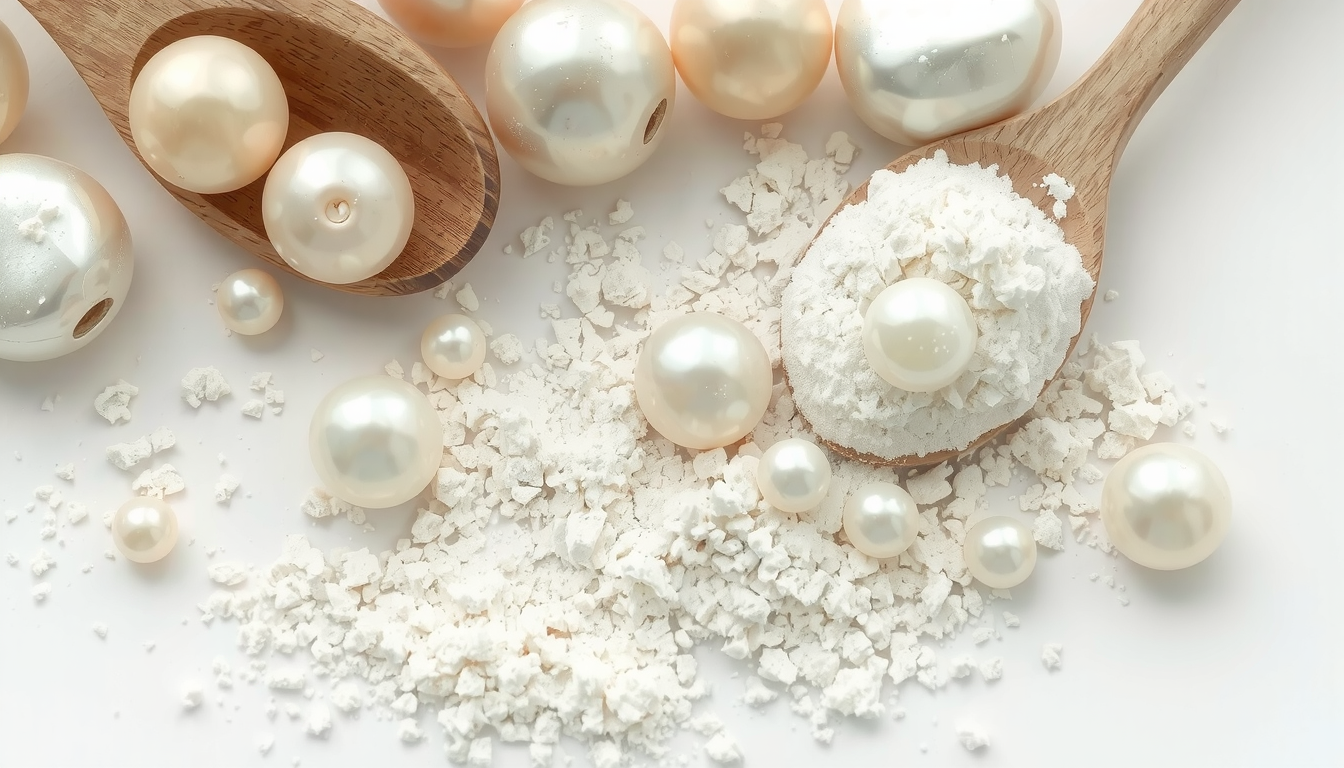
Important Clarification: Which Pearls Are Actually Edible?
Before we go further, it’s important to clarify something many guides overlook: only non-bead freshwater pearls are truly recommended for edible pearl powder.
You may see claims online that Edison pearls, Akoya pearls, or other cultured pearl types can also be ground into “edible” pearl powder. In reality, these pearls are bead-nucleated, meaning they contain an internal core. Even though some environmentally conscious farms have replaced plastic nuclei with shell-based materials, grinding bead-nucleated pearls means that the nucleus material is milled into the powder as well.
For this reason, we do not recommend consuming pearl powder made from bead-nucleated pearls, regardless of how it is marketed. Edible pearl powder should come exclusively from solid, non-nucleated freshwater pearls.
Key Takeaways
-
Source: Pearl powder is sourced from crushed freshwater pearls that aren't suitable for jewelry.
-
Types: There are two main types. One is edible (food-grade). The other is cosmetic (for outside use only). They differ in purity and manufacturing.
-
Safety: Edible pearl powder must be cleaned and ground very fine. It should be nano-sized (over 10,000 mesh) to be safe for your body.
-
Benefits: Pearl powder contains calcium, trace minerals, and amino acids that may support skin, bones, and emotional balance.
-
Usage: Edible powder can be mixed with beverages or food. Both types may also be used topically for skincare or as a finishing powder.
A Gem of a Tradition: The Rich History of Pearl Powder
Pearl powder is not a modern trend. It has a long and respected history, especially in Traditional Chinese Medicine (TCM), where it has been valued for both beauty and health.
Legendary figures in Chinese history, such as Empress Wu Zetian, were known for using pearl powder as part of their beauty rituals. It was considered a luxury ingredient reserved for royalty and nobility.
Pearl powder was also used beyond China. In Ayurvedic medicine, pearls were believed to support healing and restoration. Historical records show its use across Asia and parts of Europe, where pearls were regarded as substances with restorative and almost mystical properties. This long history is one reason pearl powder continues to attract interest today.
From Water to Wellness: The Source and Value of Pearl Powder
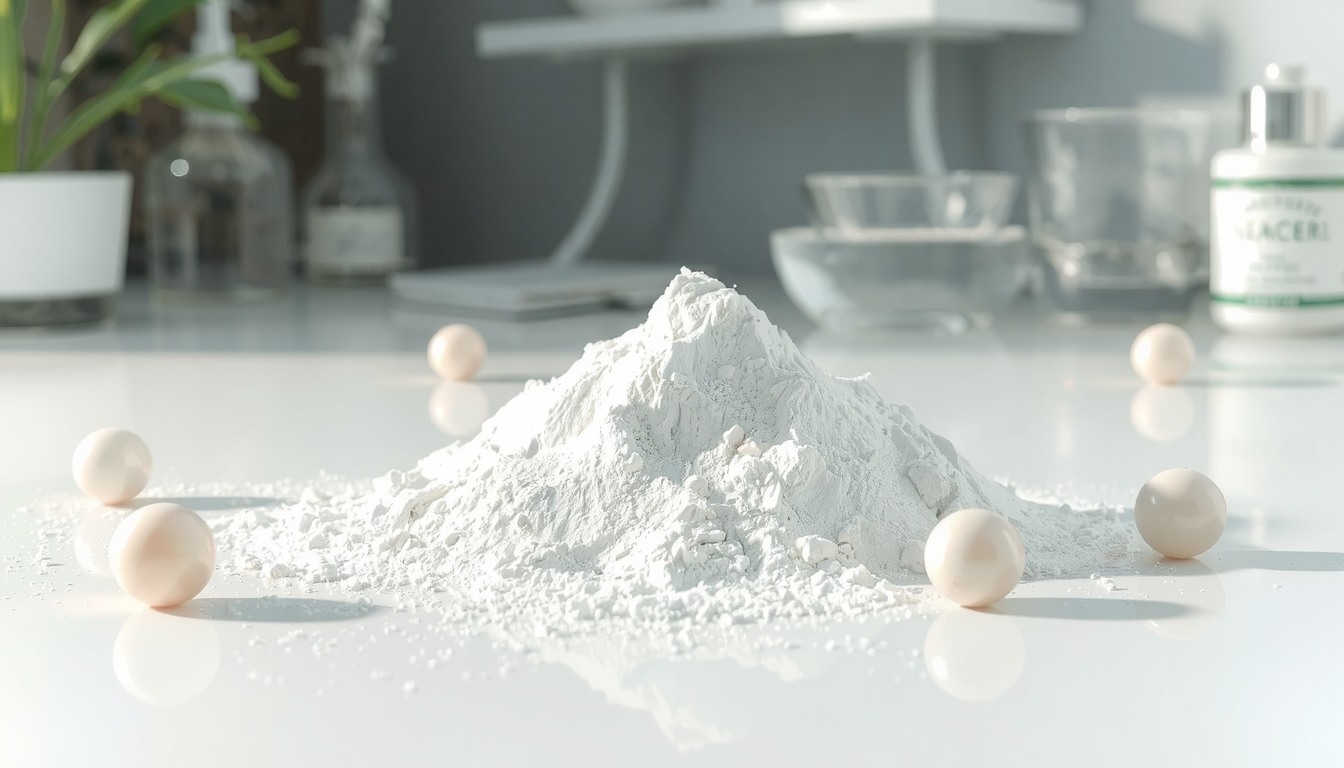
Pearl powder in traditional medicine bowls showing historical Asian and European healing practices
The primary source of pearl powder is freshwater pearls that are unsuitable for jewelry use. Rather than discarding them, they are repurposed into powder, allowing their full material value to be utilized.
Key Components That Give Pearl Powder Its Value
-
Minerals: Primarily calcium carbonate, plus more than 30 trace minerals including magnesium, zinc, and selenium.
-
Amino Acids: Essential amino acids that support protein synthesis, including collagen.
-
Conchiolin: A unique pearl protein believed to aid skin hydration, elasticity, and radiance.
Not All Powder Is Precious: Edible vs. Cosmetic Grade Pearl Powder
Understanding the difference between edible and cosmetic pearl powder is critical for safety. Only edible-grade pearl powder should ever be consumed.
Edible pearl powder undergoes stricter purification, finer grinding, and more controlled processing. Cosmetic pearl powder is intended only for external use.
| Feature | Edible Pearl Powder | Cosmetic (Non-Edible) Pearl Powder |
|---|---|---|
| Purity | Highest purity, free from harmful substances | May contain additional ingredients |
| Processing | Advanced cleaning and ultra-fine grinding | Basic grinding |
| Fineness | Ultra-fine (10,000+ mesh / nano-scale) | Coarser texture |
| Intended Use | Internal and external use | External use only |
| Labeling | “Edible,” “Food Grade,” “Internal Use” | “External Use Only” |
Wholesale & Distribution Availability
For professional or commercial use, we also offer pearl powder distribution and wholesale. This service is suitable for skincare brands, clinics, spas, and beauty salons—including U.S.-based salons and aesthetic studios.
Bulk pricing typically ranges from $160 to $300 per kilogram, depending on grade and processing method. For large-volume orders, please contact us directly for current availability and batch specifications.
Contact us via alya@margaretjewelry.com
The Science of Safety: From Raw Pearl to Refined Powder
Transforming a hard pearl into safe, edible powder requires careful processing.
-
Cleaning: Raw pearls are boiled or sterilized to remove bacteria and impurities.
-
Grinding: The pearls are milled to an ultra-fine consistency. Edible powder should exceed 10,000 mesh, resulting in a silk-like texture.
-
Traditional Water-Levigation (水飞法): Pearls are ground in water using porcelain tools, preserving delicate proteins and minerals.
-
Modern Methods: Enzymatic hydrolysis and nano-grinding further improve bioavailability.
Poorly processed or coarse pearl powder can irritate the digestive system and should not be consumed.
Unlocking the Benefits: The Esteemed Efficacy of Pearl Powder
Fine pearl powder in white bowl showcasing natural skincare benefits and beauty applications
Skin Health
Pearl powder is widely used for improving skin tone, supporting collagen production, calming redness, and enhancing natural radiance.
Internal Wellness
As a calcium-rich supplement, pearl powder may support bone health. In TCM, it is also associated with calming the spirit, easing stress, and supporting restful sleep.
Oral Care
Due to its mineral content and gentle abrasiveness, pearl powder appears in some natural toothpastes to help polish enamel and reduce surface stains.
A Practical Guide: How to Use Pearl Powder Safely
Internal Use (Edible Grade Only)
-
Start with 1/8–1/4 teaspoon daily
-
Mix with warm water, tea, smoothies, or yogurt
-
Traditionally taken in the evening for calming effects
External Use (Edible or Cosmetic Grade)
-
Face Mask: Mix with honey or yogurt, apply for 15–20 minutes
-
Finishing Powder: Use lightly to control shine and add glow
-
Skincare Boost: Blend a small amount into serum or moisturizer before application
Frequently Asked Questions (FAQ)
Is it safe to take pearl powder every day?
Generally yes in small amounts, but consult a healthcare professional—especially if pregnant or managing calcium intake.
What does pearl powder taste like?
High-quality powder is nearly tasteless with a faint mineral note. Any strong or fishy taste indicates poor quality.
Can pearl powder lighten skin?
It supports brightness and even tone but does not chemically bleach the skin.
How do I identify high-quality pearl powder?
Look for freshwater origin, non-nucleated source, water-levigation or nano-grade processing, and ultra-fine texture.
Is pearl powder vegan?
No. Pearls are produced by mollusks, though ethical and sustainable harvesting practices exist.
Bulk Ordering & Professional Supply
For businesses requiring consistent supply, we provide pearl powder wholesale and distribution for large-scale use in skincare, wellness, and beauty applications.
Typical pricing ranges from $160–$300 per kilogram, depending on grade and processing. For bulk inquiries, please contact us for quotations and lead times.
Contact us via alya@margaretjewelry.com

Conclusion: The Luminous Takeaway
The idea of consuming pearls is no longer a myth. In 2026, pearl powder remains valued for its historical legacy, refined processing, and wide range of beauty and wellness applications.
The key is informed sourcing. Choose only non-nucleated, food-grade freshwater pearl powder from reliable suppliers. When selected carefully, pearl powder can truly live up to its centuries-old reputation as a gem for both inner and outer wellness.



2 comments
hi, i need to buy a pearl powder as supplement but need a latest batch-specific COA, before i buy .thanks
Mansour
I am a brand owner of non gmo food based supplements based in Malaysia. I am very passionate to use natural remedies for health. I came across a video posted by someone else on the health benefits of pearl powder. I am keen to see how I can start ordering bulk. But I like to request for sample or small packet purchase to try out the effectiveness of pearl powder for eye health and teeth.
Regards
Lillian K
Lillian
Leave a comment
This site is protected by hCaptcha and the hCaptcha Privacy Policy and Terms of Service apply.