
Keyword focus: pearl powder for eyes • Updated for 2026 • Written by Alya, freshwater pearl farmer
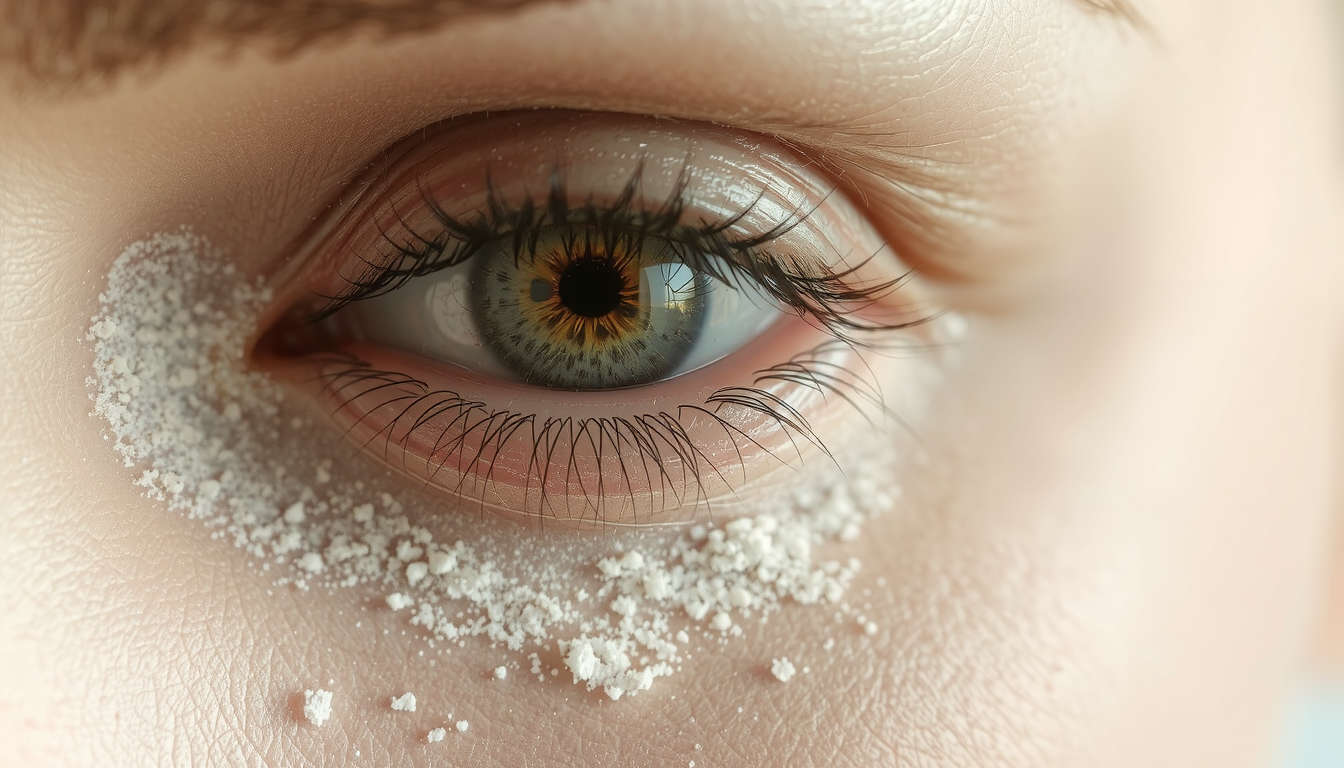
The skin around your eyes is the first place most of us notice “tired signals”: dullness, shadowing, dryness, and fine lines. That’s why pearl powder for eyes has become a popular search—people want a gentle ingredient that supports a brighter-looking eye area without harsh actives.
One important clarification up front: when we say “pearl powder for eyes,” we mean the eye area skin (under-eyes and along the orbital bone). Do not put pearl powder into your eyes, and don’t use it on the waterline.
Key takeaways
- Pearl powder is mainly calcium carbonate + a small protein/mineral matrix, and it has a long history of topical beauty use.
- Modern studies suggest pearl-derived extracts can show antioxidant, skin-brightening (tyrosinase-related), and skin-repair activity in laboratory settings.
- For the eye area, the best use is a tiny amount mixed into a gentle eye cream—think “supportive finish,” not a miracle cure.
- Quality matters: choose clean, lab-tested, ultra-fine powder, patch test first, and keep it away from the eye itself.

What is pearl powder?
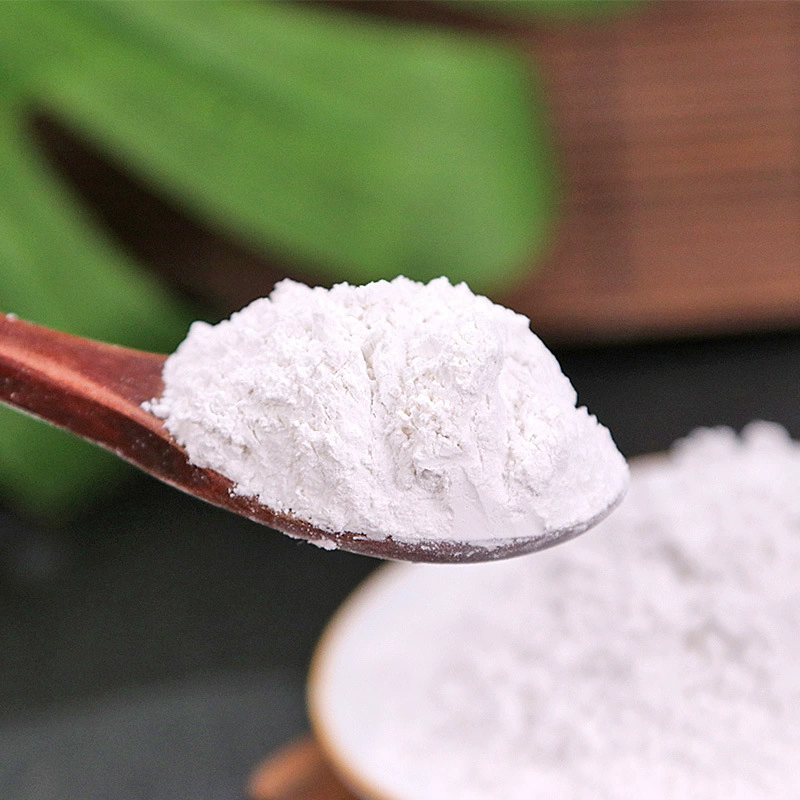
Pearl powder is finely milled pearl material—most often from freshwater pearls—processed into a cosmetic- or food-grade powder. Historically, pearl powder shows up in East Asian beauty routines for “bright, calm-looking skin,” and today it’s used in masks, creams, and supplements.
Pearl powder vs. mother of pearl powder
People often confuse pearl powder with mother of pearl powder (nacre powder). “Mother of pearl” usually refers to the nacre lining of shells, while “pearl” refers to the formed gem. Both are largely calcium carbonate with organic components, but sourcing and processing can differ. For eye-area skincare, what matters most is purity, fineness, and testing—not the label alone.
Freshwater pearl powder, organic pearl powder, and what labels really mean
Freshwater pearl powder tells you the pearl type (helpful for traceability). Organic pearl powder can be a marketing term because pearls are minerals/biominerals, not plants—so look for third-party testing, batch records, and clean processing rather than relying on a single word on the label.
Why the eye area needs a different approach
As a jeweler, I’m obsessed with delicate surfaces—because the smallest scratch changes how something reflects light. The eye area is similar: the skin is thinner, drier, and more sensitive, and it reflects every late night. That means any “active” needs to be used carefully, with focus on comfort and barrier support.

Benefits of pearl powder for the eye area (and for skin)
Online searches often promise dramatic “before and after” results. Let’s keep it grounded. Based on traditional use and modern research themes, pearl powder is most realistically used for three skin goals—especially relevant to the under-eye:
1) Antioxidant support: helping skin look less “stressed”
Oxidative stress (think reactive oxygen species) is one reason skin looks dull and tired. A human study using oral pearl powder (as a supplement) reported increases in antioxidant markers over several weeks. That doesn’t automatically translate to topical results, but it helps explain why pearl powder is discussed in “antioxidant” conversations.
2) Brighter-looking tone: tyrosinase-related pathways
Dark circles are complicated (genetics, blood vessels, shadows, pigment, and sleep). What pearl powder may help with is surface brightness. Several studies on pearl-related extracts discuss effects on tyrosinase activity (a key enzyme involved in melanin production). For the eye area, the practical takeaway is modest: pearl powder can be one gentle option in routines aimed at a more even-looking tone.
3) Smoother texture: supporting a calm, repaired barrier
When the eye area is dry or irritated, fine lines look deeper. Research on pearl powder extracts has explored effects on fibroblast activity and collagen-related processes—mechanisms that are relevant to skin repair. Again, your eye cream is doing the heavy lifting; pearl powder is a supportive add-on.
Pearl powder for eyesight: what’s realistic?
Some traditional sources associate pearls with “bright eyes” or relief of eye discomfort. In modern terms, the strongest evidence we have is still centered on antioxidant and anti-inflammatory activity—not on improving vision.
If you’re searching pearl powder for eyesight, here’s the honest guidance: don’t use pearl powder to self-treat eye disease. For vision changes, eye pain, redness, or sudden floaters, see an eye-care professional.

How to use pearl powder for eyes (safe, gentle method)
- Choose the right base. Use a fragrance-free, simple eye cream or moisturizer. Avoid strong acids or retinoids in the same mix if you’re sensitive.
- Use a micro amount. Start with a tiny pinch (think: dusting, not a scoop). The goal is a silky finish, not grit.
- Mix well. Blend pearl powder into your cream on a clean palette or fingertip until it looks smooth.
- Apply away from the lash line. Tap along the orbital bone. Do not apply on the waterline or too close to the eye.
- Frequency. 2–3 nights per week is a reasonable starting point. If your skin loves it, you can increase slowly.
- Stop if irritated. Stinging, redness, or dryness means: pause, simplify, and patch-test again later.
Pearl powder dangers: what to watch for
- Contamination risk. Anything used around the eyes should be produced hygienically and sealed well. Low-quality powders can be contaminated.
- Particle size. Coarse powders can feel scratchy and may irritate delicate skin.
- Allergy/irritation. Patch test on the inner arm before using on the face.
- Do not use inside the eye. Pearl powder is not an ophthalmic product.
Pearl powder before and after: what results should you expect?
Most realistic “before and after” changes are subtle: a smoother-looking finish, less visible dryness, and a slightly more even-looking tone. If you want to track results, take photos in the same lighting weekly for 6–8 weeks and focus on hydration and comfort—those are the biggest wins for the eye area.
Pearl powder supplement (and pearl powder gummies): a quick note
Search trends show growing interest in pearl powder supplement formats, sometimes combined with sea moss and other ingredients. While oral pearl powder has been studied in humans for antioxidant markers, supplements aren’t a shortcut to perfect skin or perfect eyesight. If you’re pregnant, nursing, have kidney issues, or take medications, talk with a clinician before adding any calcium-rich supplement.
Alya’s studio pick: Pure Freshwater Pearl Powder (made for mixing)
If you want a pearl powder that’s designed to feel comfortable on delicate skin, I created Alya Pearls Pure Freshwater Pearl Powder with the same mindset I use when selecting pearls for fine jewelry: clean sourcing, careful processing, and a finish that feels smooth.
- Freshwater pearl origin for clearer traceability
- Ultra-fine milling for a softer, less gritty feel
- Sealed packaging to support clean storage
- Easy to mix into eye cream, face moisturizer, or a simple mask
Note: This is a cosmetic ingredient and optional supplement ingredient. It is not intended to diagnose, treat, cure, or prevent any disease.
Video: pearl powder in modern beauty routines
Here’s a quick YouTube primer that matches the questions people ask most often (what it is, how it’s used, and what to expect).
Tip: skip anything that encourages putting powder directly into the eye. Stick to eye-area skin only.
FAQ
Is pearl powder good for dark circles?
It can help the eye area look smoother and more even, especially if dryness makes shadows look worse. But true dark circles often need a broader approach: sleep, sun protection, and sometimes caffeine/niacinamide-based eye products.
Can I use pearl powder every day?
If your skin is resilient and the powder is ultra-fine, some people do. For most, 2–3 times per week is a comfortable starting rhythm.
What’s the best pearl powder supplement?
Look for third-party testing and clear labeling. If you have health conditions or take medication, ask a clinician before supplementing.
Does pearl powder whiten skin?
“Whitening” is an outdated term. A better framing is brightening or more even-looking tone. Research discussions often focus on tyrosinase-related pathways and antioxidant effects.
Is mother of pearl powder the same thing?
Not exactly. They’re related materials, but sourcing differs. For skincare, prioritize testing, fineness, and clean processing.
How do I store pearl powder?
Keep it sealed, dry, and away from humid bathrooms. Use clean tools to avoid contamination—especially if you plan to use it near the eyes.
References (selected)
- Chiu H.F. et al. “Efficacy of protein rich pearl powder on antioxidant status in a randomized placebo-controlled trial.” Journal of Food and Drug Analysis (2018).
- Song Y. et al. “The Application of Pearls in Traditional Medicine of China.” (Review article, 2022).
- Shao D.Z. et al. “Comparison of hydration, tyrosinase resistance, and antioxidant properties of three different pearl powder products.” (2010).
- Shen L. et al. “Margarita (Pearl) Extract Alleviates Melasma…” (2025).
- Dai J.P. et al. “Effects of pearl powder extract and its fractions on fibroblast function relevant to wound repair.” Pharmaceutical Biology (2010).


Leave a comment
This site is protected by hCaptcha and the hCaptcha Privacy Policy and Terms of Service apply.