
Written by Alya Liu — pearl farmer & jeweler.
Recently, I received a thoughtful message from Heather in New Jersey. She had found a post on Instagram saying that taking pearl powder might help glaucoma as a natural remedy, and she wanted to know whether that was true.

I understood why she asked. Pearl powder has a long history in Traditional Chinese Medicine, and many people search for pearl powder benefits because they are looking for something natural, gentle, and rooted in tradition. But when it comes to eyesight, especially serious eye diseases like glaucoma, the answer needs to be careful and honest.
In traditional Chinese medicine, pearl powder is often described as calming the spirit, clearing heat, and supporting the eyes. But that does not mean pearl powder can treat glaucoma, reverse optic nerve damage, or replace professional eye care. This article explains what pearl powder is traditionally used for, what we do and do not know, and how to think about how to use pearl powder for eyesight in a safe, realistic way.

Shop pure pearl powder here.
What Is Pearl Powder?
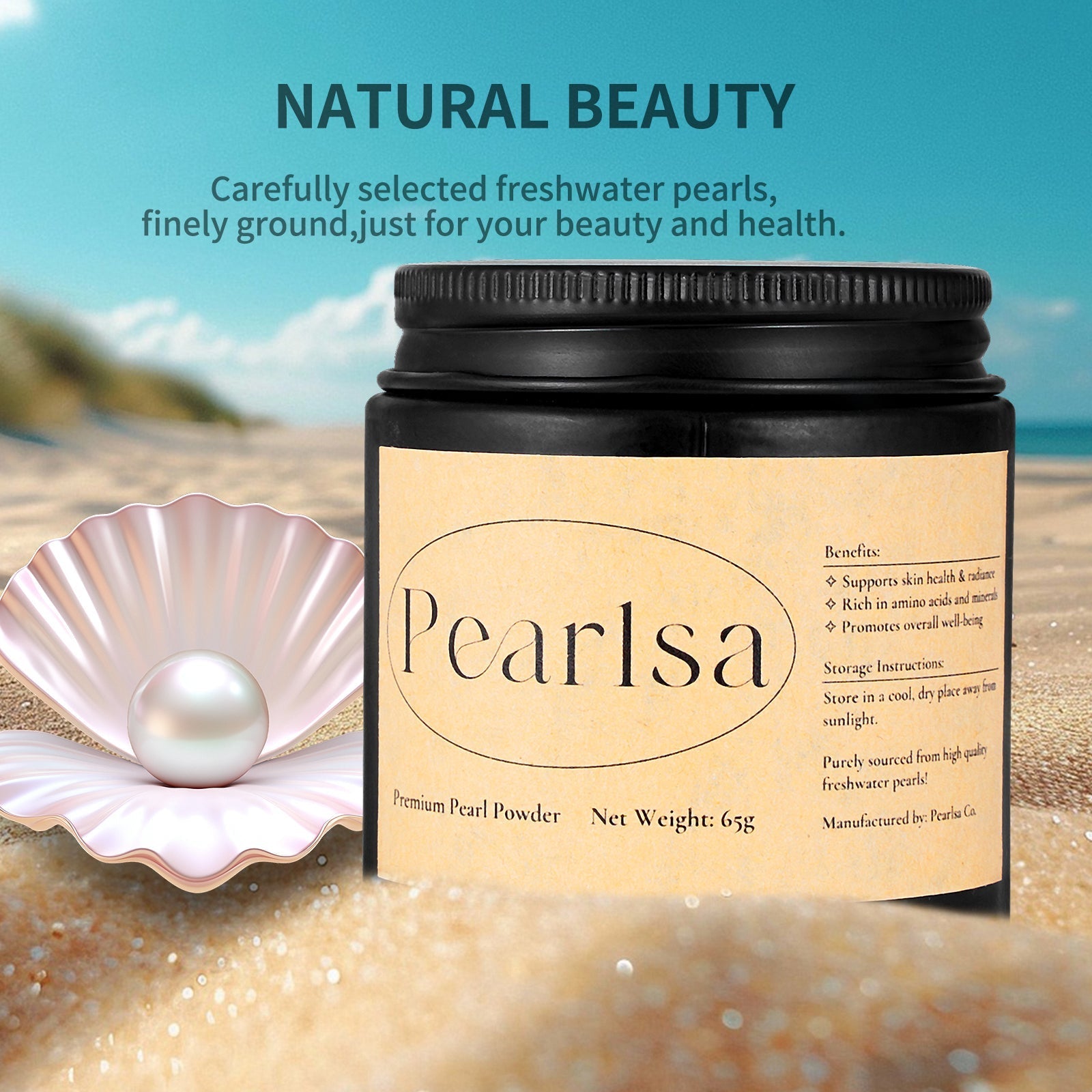
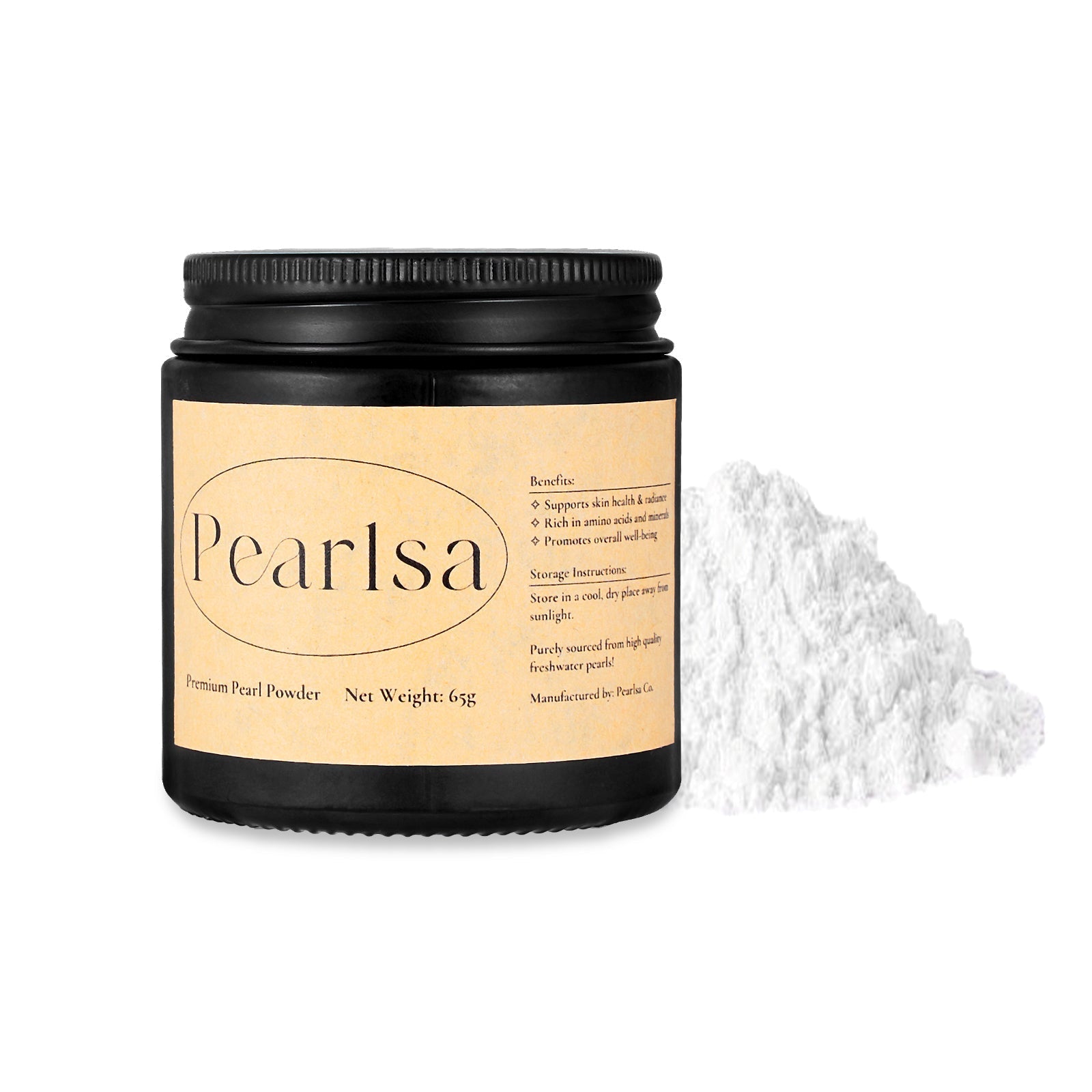
Pearl powder is made by grinding pearls or nacre into a very fine powder. In modern terms, pearl powder is largely mineral-based, with calcium carbonate as a major component, along with trace minerals and a small organic matrix from nacre.
In Chinese tradition, pearl powder has been used both externally and internally. Externally, people often associate it with skin brightness and smoothness. Internally, it has been used in traditional formulas for calming, heat-clearing, and eye-supporting purposes.
For American readers, I think it is important to separate two things: traditional use and modern medical evidence. A traditional use can be meaningful, but it is not the same as saying a supplement has been proven to treat a disease.

Pearl Powder and Eyesight in Traditional Chinese Medicine
In Traditional Chinese Medicine, pearl powder is often connected with the idea of “clearing the liver and brightening the eyes.” This language belongs to the TCM pattern system. It does not mean the liver organ is always physically diseased, and it does not directly translate into a modern ophthalmology diagnosis.
Traditionally, pearl powder may be used as part of a broader approach for eye discomfort, dryness, redness from fatigue, blurry vision related to heat patterns, or certain kinds of cloudiness described in classical terms. It is usually not used as a single magic ingredient. In traditional practice, it is often combined with other herbs or mineral ingredients depending on the person’s pattern.
This is where the online conversation can become confusing. Someone may hear “pearl powder benefits the eyes” and assume it can treat any eye disease. That is not accurate. In my family background, I have seen pearl powder used with respect and care, but I would not turn that tradition into a casual medical claim.
Can Pearl Powder Help Glaucoma?
This is the most important part of Heather’s question: there is no good evidence that pearl powder treats glaucoma.
Glaucoma is a serious eye condition involving damage to the optic nerve. It can progress slowly and may not cause obvious symptoms at first, which is why eye exams are so important. Modern glaucoma care usually focuses on lowering eye pressure and protecting the optic nerve through prescription drops, laser treatment, surgery, or other care recommended by an ophthalmologist.
Pearl powder should not be used instead of glaucoma medication, eye pressure monitoring, or regular exams. If you have glaucoma or suspect you may have it, please see an eye doctor. This is not the place to experiment only with supplements.
A more honest way to say it is this: pearl powder may have a traditional role in eye-supporting formulas, but it is not a proven glaucoma treatment.

Why Some People Use Pearl Powder for Eye Dryness and Fatigue
My personal experience with pearl powder is much softer than the claims I often see online. I work with pearls, photographs, screens, and detailed handwork for long hours. My eyes can become dry, tired, and red from fatigue.
In that context, I have personally felt that pearl powder makes my eyes feel more comfortable. I have also seen family members use it when the eyes looked tired or slightly yellowish, and they felt some improvement. But I want to be very clear: this is personal and family experience, not a medical study.
From a buyer’s or reader’s perspective, this is the safest way to understand pearl powder for eyesight: it may be considered by some people as a traditional support for eye comfort, especially dryness and fatigue, but it should not be used to self-treat diagnosed eye diseases.
If your eyes are dry because of screen time, aging, lack of sleep, or environmental irritation, the first steps are still simple: rest your eyes, use proper lighting, stay hydrated, consider preservative-free artificial tears if appropriate, and get an eye exam if symptoms continue.
How to Use Pearl Powder for Eyesight: A Safer Way to Think About It
The phrase “how to use pearl powder for eyesight” is searched often, but I do not think it should be answered like a recipe. Eyes are too important, and eye diseases can progress quietly.
Do not put pearl powder directly into your eyes
Pearl powder is not an eye drop. Do not place loose powder into the eye. This can irritate the eye surface and may introduce contamination.
Do not use it to replace glaucoma or cataract care
If you have glaucoma, cataracts, eye pain, sudden vision changes, flashes, floaters, or pressure symptoms, seek professional eye care. Pearl powder is not a substitute for diagnosis or treatment.
Choose supplement-grade products only
Jewelry pearls, craft pearls, and unknown powders should never be consumed. If someone chooses to use pearl powder as a supplement, it should be food-grade or supplement-grade, tested for contaminants, and used only after discussing it with a qualified professional.
Be careful with traditional formulas
In TCM, pearl powder is often paired with other ingredients depending on the pattern. Names such as cicada slough, abalone shell, or other eye-related herbs may appear in traditional formulas, but these should be prescribed by a trained practitioner. Mixing herbs without guidance can be unsafe, especially if you take medications or have chronic conditions.

What Pearl Powder Benefits Are More Reasonable to Discuss?
When discussing pearl powder benefits, I prefer a grounded approach. The most reasonable topics are traditional wellness use, skin-related use, mineral composition, and personal experiences with calmness, dryness, or fatigue. The more serious the disease claim becomes, the more careful we need to be.
For example, saying “pearl powder has a traditional reputation for supporting eye comfort” is very different from saying “pearl powder treats glaucoma.” The first is a traditional-use statement. The second is a medical claim that needs strong clinical evidence.
As someone from a pearl-farming family, I respect the long cultural history of pearls. But respect also means not exaggerating. Pearls are beautiful, meaningful, and deeply connected to traditional medicine, but they should never be used to delay urgent medical care.
Watch: Understanding Glaucoma Before Considering Supplements
If your question about pearl powder is related to glaucoma, start by understanding glaucoma itself. This educational video gives a helpful overview of what glaucoma is and why professional care matters.
A Personal Note from Alya
My grandfather was a respected traditional Chinese medicine practitioner in our local community. I grew up hearing stories of formulas that helped people in ways modern language does not always explain well. I have seen cases that made me respect traditional medicine deeply.
But I am not an ophthalmologist, and I am not writing this as a doctor. I am a pearl farmer and jeweler sharing cultural knowledge, family experience, and a careful interpretation of pearl powder’s traditional use.
If you are simply curious about pearl powder for eye fatigue, treat it as a gentle wellness topic and speak with a qualified professional. If you have glaucoma, cataracts, or any diagnosed eye disease, please make medical care your first priority.
Tradition can be meaningful. But with eyesight, caution is love.
FAQ
What are the main pearl powder benefits?
Pearl powder is traditionally associated with calming, skin support, and eye comfort. Modern research has explored pearl powder and nacre in areas such as biomaterials and skin-related applications, but many traditional benefits still need stronger clinical evidence.
How do you use pearl powder for eyesight?
Do not put pearl powder directly into the eyes. If someone chooses to use pearl powder as a supplement, it should be supplement-grade and discussed with a qualified healthcare professional, especially if there is any diagnosed eye condition.
Can pearl powder cure glaucoma?
No. There is no good evidence that pearl powder cures or treats glaucoma. Glaucoma requires professional eye care and monitoring.
Is pearl powder good for dry eyes?
Some people use pearl powder traditionally for eye comfort and dryness, but dry eyes can have many causes. Persistent dryness, pain, redness, or vision changes should be checked by an eye doctor.


1 comment
Can it assist with chemical burn.
Helena Collins
Leave a comment
This site is protected by hCaptcha and the hCaptcha Privacy Policy and Terms of Service apply.