
How to Tell If Pearls Are Real: Care, Value & Re-Stringing
Written by Alya — freshwater pearl farmer & jewelry maker at Alya Pearls.
People usually arrive here after typing one of two searches: “how can you tell if pearls are real?” or “string of pearls care.” I get it. A pearl necklace looks simple, but it’s an organic gem—so authenticity and care really matter if you want that glow to last for years.
In this guide, I’ll share the same practical checks I recommend in my studio, plus easy care habits that protect luster without making pearls feel “high maintenance.”
Quick Takeaways
- Real pearls have depth and subtle surface texture—perfect uniform shine is often a red flag.
- For string of pearls care, remember: pearls hate chemicals and rough cleaning.
- Re-stringing matters if you wear pearls often—security and drape depend on it.
- For bold looks like a black pearl necklace, treatment may be common—disclosure matters.

How to Tell If Pearls Are Real (3 Practical Checks You Can Do at Home)
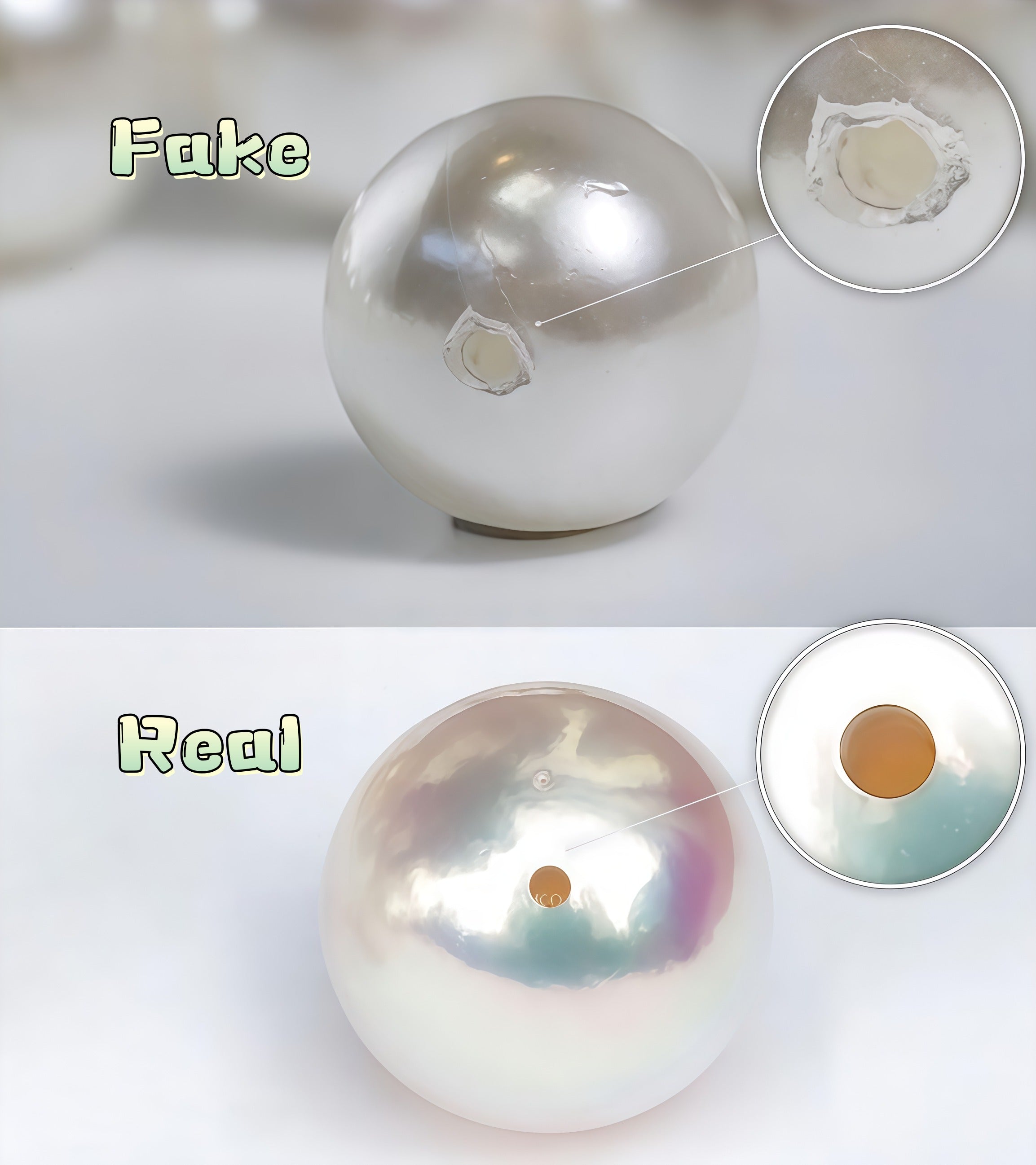
1) Look Closely at the Drill Holes
If your pearls are drilled, check the edges of the hole. Real pearls usually look clean and solid, while imitation pearls may show coating buildup or peeling around the drill hole. This is one of the fastest “real life” checks I use.
2) Check the “Too Perfect” Problem
A high-end classic strand can be very consistent, but most real pearl strands still show tiny differences in surface character. If every pearl looks identical like it came from a mold, be cautious—especially if the price is unrealistically low.
3) Texture & Feel (Gently)
Many people talk about the “tooth test,” but I prefer safer checks: real pearls often feel cooler to the touch at first and have a softer, more organic look under light. If you want full certainty, a jeweler can confirm authenticity quickly.

What Makes a Real Pearl Necklace Valuable?
If you searched “how much is a real pearl necklace worth,” the honest answer is: it depends on what you can actually see when it’s worn. In my experience, the top value drivers are:
- Luster: bright, clean glow
- Surface: overall refined look
- Matching: harmony across the strand
- Design & craftsmanship: secure stringing, good clasp, comfortable drape
That’s why a smaller pearl strand with high luster can look more luxurious than a larger strand with dull shine.
How to Care for a Pearl Necklace (Simple Habits That Actually Work)
Rule #1: Pearls Last Longer When They’re Treated Like Skin, Not Metal
Perfume, hairspray, lotions, and harsh cleaners can dull pearls over time. The easiest habit: put pearls on last, take them off first.
Rule #2: Wipe After Wear
A soft cloth wipe takes 10 seconds and protects the glow. This is the most underrated part of string of pearls care.
Rule #3: Store Pearls Separately
Pearls can scratch if they rub against metal chains or gemstones. Store your freshwater pearl necklace in a soft pouch or lined box.

When to Re-String a Pearl Necklace (A Practical Timeline)
If you wear pearls weekly, a good rule is to re-string about every 1–2 years. If you wear them occasionally, you can stretch that longer. Signs it’s time:
- thread looks frayed
- gaps appear between pearls
- the strand feels stretched or uneven
Re-stringing isn’t just maintenance—it restores that beautiful drape pearls are known for.
Color Notes: Pink Pearls, Dark Tones, and “Black” Freshwater Pearls
A pink pearl necklace is naturally soft and romantic. Lavender tones can feel modern. For a bold look, many “black” freshwater pearls are treated or dyed—this is common, but the seller should disclose it. If you love the aesthetic of a black pearl necklace, just choose it with clear expectations and gentle care.
Style Spotlight: Pearl Cross Necklace & Bridal Pearls
Pearl Cross Necklace
If you’re searching pearl cross necklace, you’ll also see variations like pearl and cross necklace, cross and pearl necklace, cross necklace pearl, and gold pearl cross necklace. These styles combine pearl glow with a meaningful symbol—many customers choose them as daily pieces or milestone gifts.
Wedding Pearl Necklace
For a wedding pearl necklace or “pearl necklace for brides,” prioritize strong luster (it photographs beautifully) and a flattering length—most brides love 16–18". A pearl choker works beautifully with strapless or square necklines, while a simple pearl pendant is universally flattering.

Video: Pearl Cleaning & Care (Quick, Practical)
This short pearl care video is a helpful visual reference for cleaning pearls gently without damaging luster:
Final Thoughts
A pearl necklace should be easy, not stressful. Choose a real freshwater pearl necklace from a seller who discloses materials and treatment, wear it often, and follow the simple care habits above. Pearls aren’t fragile—they’re just honest. Treat them gently and they’ll keep their glow for years.
Explore the Alya Pearls pearl necklace collection
About the Author
Alya is a freshwater pearl farmer and jewelry maker. She hand-selects freshwater pearls for luster and matching, then crafts pearl necklaces designed for everyday wear—classic strands, baroque styles, chokers, pendants, and meaningful pieces.


Leave a comment
This site is protected by hCaptcha and the hCaptcha Privacy Policy and Terms of Service apply.